
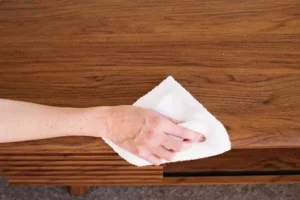
Wood furniture can make a room feel warm, comfortable and stylish. However, dust, fingerprints, food marks and everyday dirt can make wooden surfaces look dull over time.
Many people ask how do you clean wood furniture without damaging the finish. The good news is that most finished wood furniture needs simple cleaning rather than strong chemicals or complicated methods.
The key is to understand the type of wood and finish before you begin. Using too much water or a harsh cleaner can damage the finish, so gentle cleaning is usually the safest approach.
Why Regular Wood Furniture Cleaning Matters
Wood furniture collects dust every day, especially on tables, cabinets, shelves, desks and sideboards. Dust can mix with oils and moisture from your hands and create a dull layer on the surface.
Regular cleaning helps maintain the furniture’s appearance and prevents dirt from building up. It also makes it easier to notice scratches, stains, loose hardware or other problems before they become worse.
A simple cleaning routine does not need expensive products. A soft cloth, a small amount of mild soap and clean water are often enough for finished furniture.
How Do You Clean Wood Furniture Safely?
The safest approach is to start with the gentlest cleaning method. Always test a cleaning solution on a small hidden area before using it across the entire piece.
First, remove loose dust with a soft microfiber or cotton cloth. Then lightly dampen the cloth with water or a mild cleaning solution and wipe the surface.
Do not soak the furniture. Wood and excessive moisture do not work well together and standing water can damage some finishes or enter joints and cracks.
After cleaning, use a dry, soft cloth to remove remaining moisture. WOOD Magazine also recommends cleaning small areas and drying them instead of allowing water to remain on the surface.
What You Need to Clean Wood Furniture
You do not need a large collection of cleaning supplies. Simple tools can help you clean most finished wood furniture safely.
| Cleaning Item | Main Purpose |
|---|---|
| Microfiber cloth | Removes dust and fingerprints |
| Soft cotton cloth | Wipes and dries surfaces |
| Mild dish soap | Helps remove greasy dirt |
| Warm water | Dilutes mild soap |
| Small bowl | Holds the cleaning solution |
| Soft toothbrush | Cleans small details and corners |
| Dry towel | Removes moisture after cleaning |
Avoid rough sponges, abrasive pads and strong household cleaners unless the furniture manufacturer specifically recommends them. These products may scratch or affect the protective finish.
How to Dust Wood Furniture
Dusting is the easiest part of wood furniture care. You should dust regularly because accumulated dust can make a clean surface look cloudy and dirty.
Use a soft microfiber cloth and gently move it across the furniture. Work from the top toward the bottom so that falling dust does not settle on an area you already cleaned.
For carved furniture, drawers, corners and decorative details, use a soft brush. A clean, soft toothbrush can also help reach narrow areas without scratching the surface.
How Do You Clean Wood Furniture With Soap and Water?
For furniture with a durable finished surface, mild soap and water can help remove fingerprints, food residue and general grime. WOOD Magazine recommends using a small amount of dishwashing liquid mixed with warm water for accumulated grime.
Mix a small amount of mild dish soap with warm water. Dip a soft cloth into the solution, then wring the cloth well so it becomes damp rather than wet.
Wipe a small section of the furniture at a time. Follow immediately with a clean, dry towel to remove moisture from the surface.
This method works best when the furniture has a sound protective finish. If the wood is unfinished, antique, damaged or has a special finish, use extra caution.
How to Remove Greasy Marks From Wood Furniture
Greasy fingerprints often appear on dining tables, desks, kitchen furniture and cabinet doors. These marks may not disappear with dry dusting alone.
Start with a soft cloth slightly dampened with mild soapy water. Gently wipe the affected area and then dry it immediately.
Do not scrub aggressively. Repeated hard rubbing can affect the finish even when the cleaning solution itself is mild.
If the grease remains, check the manufacturer’s care instructions before trying a stronger cleaner. Older furniture may have delicate finishes that require special treatment.
How to Remove Sticky Residue From Wood
Sticky residue can come from food, spilled drinks, labels or old furniture products. The safest approach is to soften the residue gradually rather than scraping it aggressively.
Place a slightly damp cloth over the area for a short period, then gently wipe the residue away. Dry the surface afterward.
Never use a sharp object to scrape a wooden surface. A knife or hard scraper can leave permanent scratches and damage the protective finish.
For old or valuable furniture, avoid experimenting with strong solvents. WOOD Magazine explains that different finishes react differently to solvents, so identifying the finish can be important before attempting restoration.
How Do You Clean Wood Furniture Without Damaging the Finish?
The finish is an important part of wooden furniture because it protects the wood underneath. Lacquer, varnish, shellac, oil finishes and water-based finishes can react differently to cleaning products.
That is why you should not assume that every wooden surface can handle the same cleaner. When you are unsure about the finish, choose a gentle method and test it in an inconspicuous location first.
Avoid applying large amounts of water directly to the furniture. Also avoid strong chemicals unless the product label or furniture manufacturer specifically says that they are suitable.
WOOD Magazine notes that identifying the existing finish can help determine the correct repair or cleaning approach.
How Often Should You Clean Wood Furniture?
The right cleaning schedule depends on how often you use the furniture and where you keep it. A dining table may need more frequent cleaning than a decorative cabinet.
For everyday furniture, light dusting once or twice a week can help keep the surface looking clean. Deeper cleaning can be done when the furniture develops visible fingerprints, dirt or buildup.
| Furniture Type | Suggested Care |
|---|---|
| Dining table | Dust frequently and wipe after meals |
| Coffee table | Dust weekly and clean visible marks |
| Wooden desk | Dust weekly and clean fingerprints |
| Cabinet | Dust weekly or as needed |
| Bookshelf | Dust regularly, including shelves |
| Antique furniture | Use extra caution and follow care guidance |
The goal is not to constantly wash the furniture. Regular light maintenance is usually better than aggressive deep cleaning.
How to Clean Antique Wood Furniture
Antique furniture needs more care because its finish may be old, delicate or difficult to identify. A cleaning method that works on modern furniture may cause problems on an older piece.
Start by removing dust with a soft cloth. If the surface needs more cleaning, check the manufacturer’s, restorer’s or specialist’s advice before applying water or cleaning products.
Avoid sanding, stripping or using strong solvents as a first step. WOOD Magazine recommends determining the type of finish before attempting more serious restoration work.
How to Clean Wood Furniture With Carved Details
Carved furniture has many small spaces where dust can collect. These areas can be difficult to clean with a normal cloth.
Use a soft brush to loosen dust from the carved sections. You can then wipe the surrounding surface with a soft cloth.
For stubborn dirt, use a barely damp cloth or soft toothbrush with a small amount of mild cleaning solution. Keep moisture away from deep cracks and joints whenever possible.
Take your time when cleaning detailed furniture. Gentle movement is much safer than trying to remove everything quickly.
What Cleaners Should You Avoid on Wood Furniture?
Not every household cleaner is suitable for wooden furniture. Strong chemicals can affect some finishes, while abrasive products can scratch the surface.
Avoid using random cleaners simply because they work well on glass, tile, metal or other materials. Always check the product label and furniture care instructions first.
Some furniture polishes can also create problems during future refinishing. WOOD Magazine notes that silicone found in some furniture polishes can interfere with later finishing work.
Common products to approach carefully include:
- Abrasive powders
- Rough scrubbing pads
- Strong solvents
- Excessive water
- Unapproved bleach products
- Household cleaners not designed for finished wood
When in doubt, use less product rather than more.
How Do You Clean Wood Furniture With Different Finishes?
Different finishes can change the way furniture should be maintained. A modern factory finish may tolerate gentle damp cleaning, while an older shellac or oil finish may need more specialized care.
| Finish Type | General Cleaning Approach |
|---|---|
| Varnish | Gentle damp cloth and mild cleaner |
| Lacquer | Use care and avoid harsh chemicals |
| Shellac | Treat carefully because it can be sensitive |
| Oil finish | Follow the manufacturer’s care instructions |
| Water-based finish | Use gentle cleaning and limited moisture |
| Unfinished wood | Avoid excess water and use specialized care |
This table provides general guidance rather than a universal rule. The manufacturer’s instructions should always take priority because finishes and furniture construction can vary.
How to Deal With Water Rings and White Marks
White rings or cloudy marks can sometimes appear after a wet glass or hot item sits on a wooden table. The correct treatment depends on the finish and the severity of the mark.
Do not immediately sand the area or use a strong chemical. First determine whether the mark is only in the finish or whether the wood itself has been damaged.
Minor surface problems may sometimes be improved with appropriate furniture-care methods, but deeper damage may require professional restoration. WOOD Magazine recommends trying simpler cleaning or finish-related solutions before moving directly to major refinishing.
How Do You Clean Wood Furniture and Keep It Looking New?
Cleaning is only one part of good furniture care. You should also protect wooden furniture from unnecessary moisture, heat, scratches and prolonged exposure to damaging conditions.
Use coasters under drinks and mats under hot dishes. Keep pens, sharp objects and rough materials from rubbing directly against the surface.
Try to clean spills quickly rather than allowing them to dry. Fast cleanup reduces the chance of stains and moisture reaching vulnerable areas.
You should also avoid placing wooden furniture in locations where it receives intense direct sunlight for long periods. Light exposure can change the appearance of some wood and finishes over time.
Common Mistakes When Cleaning Wood Furniture
Many furniture problems happen because people use too much water or too much pressure. More cleaning power does not always mean better results.
One common mistake is spraying cleaner directly onto the furniture. Spraying onto a cloth gives you better control and reduces the chance of liquid collecting around joints, edges and hardware.
Another mistake is skipping the drying step. Always remove leftover moisture with a clean, dry cloth after damp cleaning.
Using one dirty cloth repeatedly can also spread dust and grease instead of removing it. Use a clean section of the cloth or replace it when it becomes dirty.
A Simple Wood Furniture Cleaning Routine
A simple routine can keep your furniture clean without taking much time. Begin by removing objects from the surface and gently dusting the entire piece.
Next, inspect the surface for fingerprints, food marks or sticky areas. Use a slightly damp cloth with mild soap only where extra cleaning is needed.
Finish by wiping the furniture with a dry cloth. This simple routine helps prevent dirt buildup while limiting the amount of moisture used on the wood.
Conclusion
Learning how do you clean wood furniture does not require complicated products or expensive equipment. In most cases, gentle dusting, controlled moisture, mild cleaning and immediate drying provide a simple starting point.
The most important rule is to protect the finish while removing dirt. Use gentle methods first, test unfamiliar products in hidden areas and follow the manufacturer’s care instructions whenever they are available.
Frequently Asked Questions
Can I use water to clean wood furniture?
Yes, but use water carefully. A slightly damp cloth is generally safer than soaking the furniture and you should dry the surface after cleaning.
Can I use dish soap on wooden furniture?
A small amount of mild dish soap mixed with warm water can help clean some finished wood furniture. WOOD Magazine specifically describes mild dishwashing liquid as an option for removing accumulated grime from suitable finished furniture.
How often should I dust wooden furniture?
You can dust wooden furniture about once or twice a week, depending on how quickly dust collects in your home. High-use furniture may need more frequent attention.
Can I spray cleaner directly on wood?
It is usually better to apply a small amount of cleaner to a cloth instead. This gives you more control and helps prevent excess liquid from reaching joints and edges.
How do I clean old wooden furniture?
Start gently by removing dust with a soft cloth. For antique or valuable furniture, identify the finish and seek appropriate care guidance before using stronger cleaners or restoration products.
What should I do after cleaning wood furniture?
Dry the surface with a clean, soft cloth. Removing leftover moisture helps reduce the risk of water-related problems.
Can I use abrasive cleaners on wood?
It is best to avoid abrasive cleaners unless the furniture manufacturer specifically recommends them. Abrasive materials can scratch or dull the protective finish.


