
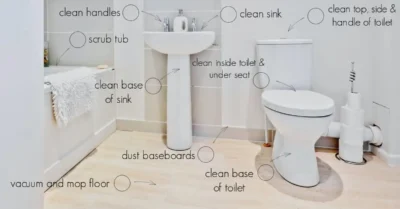
A clean bathroom makes your home feel fresher, more comfortable and easier to maintain every day. However, bathrooms collect soap residue, hair, dust, moisture and germs, so regular cleaning is important for a healthy home.
A good how to clean a bathroom checklist helps you remember every important area without making the job feel confusing or difficult. By following the right order, you can clean the bathroom faster while giving extra attention to surfaces that people touch often.
Why Regular Bathroom Cleaning Matters
Bathrooms stay damp for long periods, especially after showers and baths, which can encourage unpleasant odors and buildup. Regular cleaning removes visible dirt and helps reduce germs from commonly touched surfaces such as faucets, handles, toilet seats and light switches.
The CDC explains that cleaning with soap or detergent and water removes dirt and many germs from surfaces, while disinfecting can provide additional germ control when it is needed. Cleaning should normally come before disinfecting because dirt can make disinfectants less effective.
Bathroom Cleaning Supplies You Need
Before starting, collect your cleaning supplies so you do not need to leave the bathroom repeatedly. The exact products you need depend on your bathroom surfaces, but most routine cleaning jobs require only a few basic items.
| Cleaning Item | Main Purpose |
|---|---|
| Microfiber cloths | Wiping sinks, counters, mirrors and fixtures |
| Bathroom cleaner | Removing soap, dirt and surface buildup |
| Glass cleaner | Cleaning mirrors and glass surfaces |
| Toilet cleaner | Cleaning the inside of the toilet bowl |
| Scrub brush | Removing stubborn buildup |
| Sponge | Cleaning sinks, tubs and other surfaces |
| Broom or vacuum | Removing loose hair and dust |
| Mop | Cleaning the bathroom floor |
| Rubber gloves | Protecting hands during cleaning |
| Trash bag | Removing bathroom waste |
Always read product labels before using a cleaning product. Different surfaces may require different products and some cleaners can damage natural stone, metal finishes or other sensitive materials.
How to Clean a Bathroom Checklist
The easiest way to clean a bathroom is to work from higher surfaces toward lower surfaces. This prevents dust and dirty water from falling onto areas that you have already cleaned.
A useful how to clean a bathroom checklist starts with removing clutter, then cleaning surfaces, fixtures, the toilet, shower area and finally the floor. This method also keeps the cleaning process organized and reduces unnecessary work.
1. Remove Bathroom Clutter
Start by taking bottles, towels, rugs, bins and other removable items out of the way. Put toiletries in their proper places and remove empty containers before you begin wiping surfaces.
Check the sink and shower area for products that you no longer use. A less crowded bathroom is easier to clean because you can reach more surfaces without moving many objects.
2. Open the Door or Window
Good airflow can help the bathroom dry faster and make cleaning more comfortable. If your bathroom has an exhaust fan, use it according to the manufacturer’s instructions.
Ventilation becomes especially important when you use strong cleaning products. The CDC recommends good ventilation when using disinfecting products indoors, along with following the product label and using recommended protective equipment.
3. Remove Dust and Hair First
Use a dry microfiber cloth or suitable duster to remove dust from shelves, counters, corners and other upper surfaces. Sweep or vacuum loose hair from the floor before using water or cleaning products.
Removing dry debris first makes later cleaning easier. It also prevents wet hair and dust from sticking to floors and surfaces.
How to Clean the Bathroom Sink
The bathroom sink can collect toothpaste, soap residue, hair, water spots and other everyday dirt. Spray an appropriate cleaner onto the surface or cloth, then wipe the basin, sides, faucet and surrounding counter.
Use a small brush or old soft brush around the faucet base and drain area where dirt can collect. Rinse away cleaner when the product instructions require it, then dry the surface with a clean cloth.
Do not use an abrasive cleaner on a surface unless the manufacturer says it is safe. Harsh scrubbing can damage some finishes and leave the surface looking dull.
How to Clean the Mirror
A clean mirror can make the entire bathroom look brighter and more organized. Apply a suitable glass cleaner to a microfiber cloth or follow the product’s recommended application method.
Wipe the mirror from top to bottom and pay attention to toothpaste spots and fingerprints. Finish with a dry microfiber cloth if needed to reduce visible streaks.
How to Clean the Toilet
The toilet deserves careful attention because several areas are frequently touched during normal use. Clean the outside surfaces, lid, seat, flush handle, base and surrounding areas with a suitable bathroom cleaner.
For the bowl, apply the toilet cleaner according to its label instructions and use a toilet brush to scrub the inside. Flush as directed by the product instructions, then clean the exterior using a separate cloth.
Never mix bleach with other cleaners or disinfectants. The CDC warns that mixing bleach with other cleaning products can create dangerous vapors, so always use products exactly as their labels instruct.
How to Clean the Shower and Bathtub
The shower and bathtub often develop soap scum, water marks, hair and product residue. Start by removing bottles and loose debris, then apply a cleaner that is suitable for the material of your tub or shower.
Allow the product to work for the time stated on its label before scrubbing. Rinse the surface thoroughly and dry it when appropriate because removing excess moisture can help keep the area looking cleaner between deep-cleaning sessions.
Pay special attention to corners, around the drain, shower controls and areas where soap tends to collect. Always check the manufacturer’s care instructions for special surfaces such as natural stone.
How to Clean Shower Glass
Shower glass can develop cloudy marks when water and soap residue remain on the surface. Use a glass-safe product and a microfiber cloth or suitable sponge to clean the glass.
Work in sections and rinse the surface thoroughly when required by the cleaner. Drying the glass after cleaning can help reduce leftover water spots and make future maintenance easier.
How to Clean Bathroom Fixtures
Faucets, shower handles, cabinet handles and other fixtures receive frequent contact throughout the day. Wipe them with a suitable cleaner and clean microfiber cloth, paying attention to fingerprints and buildup around edges.
The CDC recommends regular cleaning of high-touch household surfaces such as handles, switches and faucets. You do not necessarily need to disinfect every surface every day; routine cleaning is often enough unless there is a specific reason for disinfection.
How to Clean Bathroom Cabinets and Shelves
Bathroom cabinets and shelves can collect dust, spilled products and small amounts of moisture. Remove the items, wipe the shelves with a suitable cleaner and dry them before returning the products.
Check bottles for leaks before putting them back. Organizing similar products together also makes your bathroom easier to maintain because you can quickly see what needs cleaning or replacing.
How to Clean Bathroom Floors
The floor should usually be cleaned near the end because dust, hair and dirty water can fall onto it during other cleaning tasks. Start by sweeping or vacuuming, then mop with a cleaner suitable for your flooring material.
Work from the farthest corner toward the bathroom entrance so you do not need to walk repeatedly across a wet floor. Give extra attention to areas around the toilet, sink, shower and door.
Bathroom Areas and Recommended Cleaning Approach
| Bathroom Area | What to Remove | Cleaning Method |
|---|---|---|
| Sink | Soap, toothpaste, hair | Wipe and rinse |
| Mirror | Fingerprints, water marks | Glass-safe cleaner and microfiber cloth |
| Toilet | Dirt and residue | Clean bowl and wipe exterior |
| Shower | Soap scum and buildup | Suitable cleaner and gentle scrubbing |
| Bathtub | Soap and surface residue | Clean, scrub and rinse |
| Faucet | Water spots and fingerprints | Wipe with suitable cleaner |
| Floor | Dust and hair | Sweep or vacuum, then mop |
| Door handles | Fingerprints and dirt | Clean regularly |
| Cabinets | Dust and spills | Wipe and dry |
A Simple Weekly Bathroom Cleaning Routine
Creating a routine makes bathroom cleaning much easier than waiting until everything becomes heavily dirty. A weekly deep-cleaning session can cover the sink, toilet, shower, bathtub, mirror, fixtures, cabinets and floor.
Between deeper cleaning sessions, quickly wipe visible spills and clean frequently touched surfaces when they become dirty. The right cleaning frequency depends on how often the bathroom is used and how quickly surfaces become dirty.
Daily Bathroom Maintenance Tips
You do not need to perform a complete deep clean every day. Small habits can reduce buildup and make your regular cleaning session much shorter.
After a shower, allow moisture to leave the room and keep surfaces as dry as practical. Put toiletries back in their places, remove visible hair and wipe obvious water or toothpaste marks before they become harder to remove.
When Should You Disinfect a Bathroom?
Cleaning and disinfecting are not exactly the same thing. Cleaning removes dirt and many germs from surfaces, while disinfecting uses a chemical product designed to kill remaining germs after proper cleaning.
According to the CDC, routine household disinfection is generally not necessary in every situation, but it can be appropriate when someone in the home is sick or when there is a higher risk of illness. Follow the disinfectant label carefully, including its required contact time.
Bathroom Cleaning Safety Tips
Cleaning products can be useful, but they should always be handled carefully. Keep products in their original containers, follow label instructions and store them away from children and pets.
Never combine different cleaning chemicals because some combinations can produce harmful gases. If you use disinfectants, provide good ventilation and use gloves or other protective equipment when the product label recommends them.
Common Bathroom Cleaning Mistakes to Avoid
Many cleaning problems happen because people use the wrong product or clean surfaces in an inefficient order. Avoiding a few common mistakes can make the bathroom cleaner while saving time.
Do not clean the floor before dusty surfaces, the sink, toilet and shower because debris can fall onto the floor afterward. Also, do not assume that using more cleaning product will produce better results, because the label’s recommended amount and contact time are designed for proper use.
Another common mistake involves using the same cloth everywhere. Keep separate cloths for different areas when practical, especially when cleaning the toilet and other bathroom surfaces.
Quick Bathroom Cleaning Checklist
If you want a short version, save this how to clean a bathroom checklist for your regular cleaning routine:
- Remove clutter and empty the trash.
- Open the door or use suitable ventilation.
- Remove dust, hair and loose debris.
- Clean the mirror.
- Clean the sink and countertop.
- Wipe faucets and handles.
- Clean the toilet bowl and exterior.
- Clean the shower and bathtub.
- Wipe cabinets and shelves.
- Sweep or vacuum the floor.
- Mop the floor.
- Replace towels, rugs and bathroom supplies.
- Wash your hands after finishing.
This order keeps the work simple because you move from dry cleaning to wet cleaning and finish with the floor.
How Often Should You Clean Your Bathroom?
There is no single schedule that works for every household because bathroom use differs from home to home. A bathroom used by several people may need more frequent attention than a bathroom used occasionally.
| Cleaning Task | Suggested Frequency |
|---|---|
| Remove visible hair and spills | As needed |
| Wipe sink and counter | Several times per week or as needed |
| Clean toilet | Regularly based on use |
| Clean mirror | Weekly or when visibly dirty |
| Clean shower or bathtub | Weekly or as needed |
| Mop floor | Weekly or when dirty |
| Deep clean cabinets | Monthly or as needed |
| Check grout and corners | Regularly |
These are practical household guidelines rather than strict rules. Clean surfaces whenever they become visibly dirty and adjust the schedule according to household use.
Conclusion
A bathroom does not need complicated cleaning methods to stay fresh and comfortable. The key is to follow a consistent order, choose products that match your surfaces and pay extra attention to areas that collect dirt or receive frequent contact.
A reliable how to clean a bathroom checklist turns a large cleaning job into a series of small, manageable tasks. With regular maintenance and safe cleaning habits, you can keep your bathroom looking cleaner while making your weekly routine easier and more efficient.
Frequently Asked Questions
How long does it take to clean a bathroom?
A basic bathroom cleaning can take around 20 to 40 minutes depending on the bathroom’s size and condition. A heavily soiled bathroom may require more time because stubborn buildup needs additional cleaning.
What should I clean first in the bathroom?
Start by removing clutter and loose dust or hair, then clean higher surfaces before lower surfaces. Finish with the floor so falling dust and water do not make you repeat earlier work.
Should I clean or disinfect first?
Clean first and disinfect afterward when disinfection is actually needed. The CDC explains that dirt and other impurities can interfere with the effectiveness of disinfecting chemicals.
How often should I clean my bathroom?
Most bathrooms benefit from regular weekly cleaning, while high-use areas may need attention more often. Clean visible dirt and high-touch surfaces whenever they become dirty.
Can I mix bathroom cleaning products?
No. Never mix bleach or disinfectants with other cleaning products unless the product label specifically allows it. Some combinations can release dangerous vapors, so use one product at a time according to its instructions.
What is the easiest way to keep a bathroom clean?
The easiest method is to clean small messes before they become stubborn buildup. Keeping toiletries organized, removing hair regularly, wiping the sink and allowing wet areas to dry can reduce the amount of deep cleaning required.


