
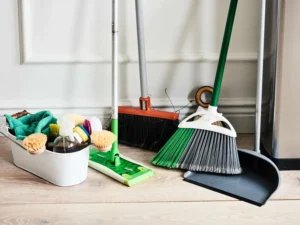
Keeping a home clean is not only about wiping visible dust from tables or sweeping the floor every day. Deep cleaning reaches the hidden dirt, buildup, crumbs, dust and grime that regular cleaning often misses. The right tools can make this work easier because each tool is designed for a particular surface or cleaning task.
Many people search for amazon deep cleaning tools when they want practical cleaning equipment for kitchens, bathrooms, floors, windows, furniture and other difficult areas. Online marketplaces offer many choices, but understanding what each tool does can help you choose useful items instead of buying products that simply look convenient.
This guide explains the most useful deep-cleaning tools, how they work, what to consider before buying them and how to use them as part of a simple home-cleaning routine.
What Are Deep Cleaning Tools?
Deep cleaning tools are household cleaning products designed to remove dirt from areas that routine cleaning may not reach easily. They can include scrub brushes, microfiber cloths, grout brushes, squeegees, dusters, vacuum attachments, sponges and cleaning brushes.
Routine cleaning usually focuses on visible surfaces, while deep cleaning takes more time and attention. For example, a normal bathroom cleaning may wipe the sink and mirror, while a deep clean may also target grout lines, corners, shower tracks, behind fixtures and other less noticeable areas.
The U.S. Environmental Protection Agency recommends regular vacuuming of carpets and fabric-covered furniture, dusting hard surfaces with a damp cloth, damp-mopping floors and washing household linens as part of maintaining indoor conditions.
Why Use Amazon Deep Cleaning Tools?
One reason shoppers look for amazon deep cleaning tools is the wide range of products available for different household surfaces. Instead of using one brush or cloth for every task, you can select a tool according to the type of dirt and the surface you need to clean.
The right tool can also reduce the effort required for difficult jobs. A narrow brush can reach grout lines, while a microfiber cloth can collect dust from smooth surfaces without requiring a large cleaning setup.
However, a bigger collection of tools does not always mean better cleaning. A few versatile, durable tools can often handle most regular deep-cleaning jobs.
Best Types of Deep Cleaning Tools for Home Use
Different areas of a home require different cleaning methods. The following table shows common tool types and their practical uses.
| Cleaning Tool | Best Use | Useful Feature |
|---|---|---|
| Scrub brush | Floors, bathrooms, sinks | Firm bristles |
| Grout brush | Tile grout | Narrow cleaning head |
| Microfiber cloth | Dust and surface cleaning | Soft, reusable material |
| Squeegee | Windows and showers | Removes water quickly |
| Extendable duster | High surfaces | Long reach |
| Vacuum attachments | Corners and upholstery | Targets small spaces |
| Cleaning sponge | Sinks and counters | Flexible surface |
| Detail brush | Small gaps and edges | Compact head |
| Floor scrubber | Large floor areas | Covers wider surfaces |
| Crevice tool | Narrow gaps | Slim shape |
Choosing the right tool matters because different surfaces can react differently to pressure, moisture and cleaning products. Always check the manufacturer’s instructions before using a new tool or cleaner on a delicate surface.
Scrub Brushes for Tough Dirt
Scrub brushes are among the most useful tools for deep cleaning. They can help clean bathroom floors, tubs, sinks, tile surfaces and other areas where dirt becomes attached to the surface.
A brush with moderately firm bristles can provide useful scrubbing power without requiring excessive pressure. For delicate materials, however, a softer brush may be more suitable.
When searching for amazon deep cleaning tools, look for scrub brushes with comfortable handles and washable heads. A secure grip can make repetitive cleaning easier, especially when working with wet surfaces.
Grout Cleaning Brushes for Tile Areas
Grout can collect dirt because its narrow lines sit below the surrounding tile surface. A regular sponge may glide over these lines without reaching deeply enough to clean them properly.
A narrow grout brush can concentrate its bristles along the grout line. This design makes it useful for bathrooms, kitchens, backsplashes and other tiled areas.
Before scrubbing, check whether the surface has special care requirements. Strong pressure or unsuitable cleaners can damage some tile or grout materials.
Microfiber Cloths for Dust and Surfaces
Microfiber cloths are useful for everyday cleaning as well as deeper cleaning sessions. They can be used on many smooth household surfaces, including furniture, counters, appliances and fixtures.
A damp microfiber cloth can help collect dust from hard surfaces. EPA guidance also recommends using a damp cloth for dusting hard surfaces as part of routine indoor cleaning.
For better organization, use separate cloths for different cleaning areas. Wash reusable cloths according to their care instructions and allow them to dry properly before storage.
Vacuum Cleaners and Attachments
A vacuum cleaner can remove loose dust, crumbs, hair and debris from carpets, upholstery, floors and other surfaces. Attachments make the machine more useful because they allow you to clean corners and narrow spaces.
A crevice attachment can reach between furniture and along edges, while a brush attachment can help clean upholstery or detailed surfaces. Some vacuum systems also include specialized attachments for stairs and other difficult areas.
Deep cleaning works best when you remove loose debris before applying wet cleaning methods. This approach can prevent dust and crumbs from becoming mixed with moisture and turning into additional mess.
Extendable Dusters for Hard-to-Reach Areas
Dust can collect on ceiling fans, shelves, light fixtures, cabinet tops and other elevated surfaces. An extendable duster can help reach these areas without repeatedly moving furniture or using an unstable setup.
Look for a duster with a secure handle and washable or replaceable head. A flexible head can also help follow the shape of shelves and other surfaces.
For a complete cleaning routine, work from higher areas toward lower surfaces. This allows falling dust to be cleaned later instead of making already-cleaned areas dirty again.
Squeegees for Windows and Bathrooms
A squeegee removes water from smooth surfaces using a rubber blade. It can be useful for windows, shower doors, mirrors and other suitable surfaces.
Water spots can become more noticeable when water repeatedly dries on glass. Using a squeegee after cleaning can help remove excess water before it dries.
When choosing amazon deep cleaning tools, consider whether the squeegee has a comfortable handle and a blade that sits evenly against the surface. A poorly fitted blade may leave streaks or water behind.
Cleaning Tools for Kitchen Deep Cleaning
The kitchen contains many surfaces that require different cleaning approaches. Counters, sinks, stovetops, cabinet doors, appliance surfaces and floors can all collect different types of dirt.
A useful kitchen cleaning collection may include a microfiber cloth, soft sponge, scrub brush, detail brush and suitable floor-cleaning tool. The goal is to match the tool to the surface rather than using the strongest tool everywhere.
Pay special attention to areas that receive frequent contact, such as handles, knobs, switches and appliance controls. Always follow the manufacturer’s cleaning instructions for appliances and avoid allowing excess liquid to enter electrical components.
Deep Cleaning Tools for Bathrooms
Bathrooms often need more detailed cleaning because moisture can remain on surfaces and dirt can collect around fixtures. Useful tools include grout brushes, scrub brushes, microfiber cloths, squeegees and small detail brushes.
A narrow brush can reach corners and grout lines more effectively than a large sponge. A squeegee can help remove excess water from suitable smooth surfaces after cleaning.
Moisture control is especially important when dealing with mold concerns. EPA guidance explains that controlling moisture is a key part of mold control and visible moisture problems should be fixed promptly.
How to Choose the Right Amazon Deep Cleaning Tools
When comparing amazon deep cleaning tools, do not focus only on appearance or the number of accessories included in a package. Think about the cleaning tasks you actually perform at home.
| Buying Factor | What to Look For |
|---|---|
| Material | Durable and easy to clean |
| Handle | Comfortable and secure grip |
| Bristles | Suitable softness for the surface |
| Size | Easy to store and handle |
| Head shape | Appropriate for the cleaning area |
| Maintenance | Simple washing and drying |
| Durability | Strong enough for repeated use |
| Safety | No unnecessary sharp edges |
| Versatility | Useful for more than one task |
A practical tool should solve a real cleaning problem without creating another maintenance problem. For example, a reusable brush that is easy to rinse and dry may be more useful than a complicated tool with many parts.
How to Organize a Deep Cleaning Routine
Deep cleaning becomes easier when you divide the home into sections instead of trying to clean everything simultaneously. Start by removing clutter and loose debris, then dust surfaces before moving to wet cleaning.
After dusting, clean furniture, counters, fixtures and other surfaces according to their material. Finish with floors because dust and debris from higher surfaces can fall downward during cleaning.
You can use the following simple sequence:
- Remove clutter and loose debris.
- Dust high surfaces first.
- Vacuum carpets, upholstery and floors where appropriate.
- Clean surfaces with suitable products.
- Scrub detailed areas such as grout and corners.
- Clean windows or other glass surfaces.
- Finish by cleaning the floor.
This method keeps the process organized and helps prevent you from repeatedly cleaning the same area.
Cleaning Tool Safety Tips
Cleaning tools are simple household products, but safe use still matters. Never mix cleaning products unless the product instructions specifically confirm that they are compatible.
EPA guidance warns that mixing cleaning products can create toxic vapors and recommends reading labels, following directions, increasing ventilation and avoiding chemical combinations.
It is also important to use a cleaning product only on surfaces listed on its label. Some cleaners can damage materials such as natural stone, wood finishes, painted surfaces or certain metals.
When dealing with mold, follow appropriate safety guidance rather than simply scrubbing aggressively. EPA recommends protective measures such as gloves and appropriate eye protection during certain mold cleanup tasks.
How to Maintain Your Cleaning Tools
Cleaning tools also need cleaning. Brushes, sponges, microfiber cloths and mop heads can collect dirt during use, so they should be washed or rinsed according to their instructions.
Allow wet tools to dry completely before storing them. Proper drying can help keep your cleaning equipment fresh and ready for the next use.
Inspect tools regularly for damaged bristles, cracked handles, worn blades or other problems. Replace items when they no longer perform their intended job properly.
Are Expensive Deep Cleaning Tools Better?
Not necessarily. Price can reflect materials, construction, features or brand positioning, but it does not automatically determine how useful a tool will be.
A basic grout brush may perform its job very well without expensive features. Similarly, a good microfiber cloth can handle many surface-cleaning tasks without requiring advanced equipment.
When evaluating amazon deep cleaning tools, compare function, material, durability, maintenance and user needs rather than choosing an item simply because it costs more.
Common Mistakes to Avoid When Deep Cleaning
One common mistake is using excessive pressure. Scrubbing harder does not always produce better results and may damage delicate surfaces.
Another mistake is using the same cloth or brush throughout the entire home. Separating tools by cleaning area can make your routine more organized and reduce the chance of transferring dirt between different surfaces.
It is also easy to use too much cleaning product. EPA recommends using the appropriate amount of detergent because more is not necessarily better.
Conclusion
Good cleaning does not require a huge collection of equipment. A small set of well-designed brushes, cloths, dusters, vacuum attachments and other useful tools can handle many household deep-cleaning tasks.
The best amazon deep cleaning tools are the ones that match your home’s surfaces and your cleaning routine. Before purchasing, consider where you need the tool, how often you will use it, how easy it is to maintain and whether its design suits the job.
Deep cleaning also works best as part of a regular routine. Remove dust and debris first, choose the right tool for each surface, follow product directions and keep your equipment clean and dry after use.
Frequently Asked Questions
What are the most useful deep cleaning tools?
A microfiber cloth, scrub brush, grout brush, vacuum attachments, squeegee and extendable duster can cover many common household cleaning tasks. The best combination depends on the surfaces and rooms in your home.
Can deep cleaning tools replace cleaning products?
Tools and cleaning products serve different purposes. A brush, cloth or vacuum physically removes dirt, while a suitable cleaning product may help loosen or remove specific types of buildup.
How often should deep cleaning tools be washed?
Wash or rinse reusable tools after use according to the manufacturer’s instructions. Drying them completely before storage is an important part of basic tool maintenance.
Are microfiber cloths good for deep cleaning?
Yes, microfiber cloths can be useful for dusting and cleaning many hard surfaces. They work particularly well as part of a routine that combines dry debris removal with appropriate damp cleaning.
What should I look for when buying cleaning tools online?
Focus on material quality, handle comfort, size, durability, maintenance, surface compatibility and the specific cleaning task. Reviews can provide additional information, but always check the product description and manufacturer’s instructions.
Can one cleaning brush clean every surface?
No. Different surfaces may require different bristle types and cleaning pressure. Using a tool designed for the specific surface can help reduce the risk of scratches or other damage.


