
Floors collect more dirt than most people notice. Dust, food crumbs, pet hair, grease and outdoor grit can settle into corners and seams.
Regular sweeping helps, but it does not always remove the grime hiding below the surface. Learning how to deep clean floors can help restore a cleaner appearance and protect your flooring from unnecessary wear.
The right method depends on your floor material. Hardwood, laminate, vinyl, tile and natural stone all need different levels of moisture and cleaning products.
This guide explains the safest way to deep clean common household floors. It also covers tools, cleaning mistakes, stains, drying methods and simple maintenance habits.
Why Deep Cleaning Floors Matters
Daily sweeping removes loose dirt, but some grime stays behind. Dirt can build up around baseboards, grout lines, corners and spaces between floorboards.
Deep cleaning removes this hidden buildup and helps your floor look fresher. It can also reduce the amount of abrasive grit that gets walked across the surface.
Experts recommend using the correct cleaner and avoiding excessive moisture. This is especially important for hardwood and laminate flooring.
Deep cleaning does not mean soaking the floor. Too much water can damage certain flooring materials and leave unwanted residue.
How Often Should You Deep Clean Floors?
There is no single schedule that works for every home. Cleaning frequency depends on foot traffic, pets, children, cooking and the type of flooring.
Most homes benefit from regular sweeping or vacuuming and occasional deeper cleaning. High-traffic areas may need more attention than bedrooms or guest rooms.
| Floor Area | Routine Cleaning | Deep Cleaning |
|---|---|---|
| Kitchen | Several times weekly | Every 1–2 weeks |
| Bathroom | Several times weekly | Every 1–2 weeks |
| Living room | 2–4 times weekly | Monthly |
| Bedroom | Weekly | Monthly or as needed |
| Entryway | Daily or several times weekly | Weekly or as needed |
| Low-traffic room | Weekly | Every 1–3 months |
These are practical starting points rather than strict rules. Clean more often when your floor receives heavy traffic or visible dirt builds up quickly.
Supplies You Need for Deep Floor Cleaning
You do not need a large collection of expensive products. A few suitable tools can handle most floor-cleaning jobs.
A vacuum cleaner or soft-bristle broom removes dry dirt before wet cleaning begins. A microfiber mop helps spread cleaner without leaving excessive water behind.
You may also need a bucket, microfiber cloths, a soft scrub brush and a floor cleaner designed for your flooring.
Always check the flooring manufacturer’s care instructions before using a new cleaner. Some materials can react badly to strong chemicals, abrasive tools, heat or excess water.
How to Deep Clean Floors Step by Step
The best approach starts with dry cleaning and finishes with controlled wet cleaning. This prevents loose dirt from turning into muddy residue.
1. Remove Furniture and Floor Clutter
Start by moving lightweight furniture, baskets, rugs and other items away from the floor. This gives you access to areas that routine cleaning often misses.
You do not need to move heavy furniture every time. However, moving it occasionally can expose hidden dust and pet hair.
2. Vacuum or Sweep Thoroughly
Vacuum the entire floor before applying any cleaning solution. Pay special attention to corners, edges, under furniture and around baseboards.
Use a soft floor attachment on surfaces that can scratch easily. Good Housekeeping recommends avoiding abrasive vacuum brushes on hardwood and vinyl because they can damage the surface.
Never skip this step when deep cleaning. Dry dirt can act like tiny pieces of sand when you mop over it.
3. Clean the Edges and Corners
Corners often hold dust that a regular mop cannot reach. Use a slightly damp microfiber cloth to clean along baseboards and tight spaces.
For stubborn buildup, use a soft brush that matches the floor manufacturer’s recommendations. Avoid aggressive scrubbing on delicate finishes.
4. Prepare the Correct Cleaning Solution
Choose a cleaner made for your specific floor type. Do not assume that one household cleaner works safely on every surface.
Follow the product label for dilution and application instructions. Using more cleaner does not necessarily make the floor cleaner and can leave a sticky film.
5. Mop in Small Sections
Work in manageable sections instead of flooding the entire room. Apply a controlled amount of cleaning solution and remove the dirty moisture as you work.
A microfiber mop works well because it picks up dirt while using less water. Most hard floors can be wet mopped, but the mop and cleaner should match the surface.
6. Rinse When the Floor Requires It
Some floor cleaners require rinsing, while others do not. Check the label before deciding whether to mop again with clean water.
If rinsing is recommended, use clean water and a well-wrung microfiber mop. Change dirty water frequently so you do not spread grime back across the floor.
7. Dry the Floor Properly
Drying is an important part of deep cleaning. Standing water can cause problems on materials that are sensitive to moisture.
Use a dry microfiber mop or cloth when needed. Good Housekeeping recommends drying glazed tile to reduce water spots and using prompt drying methods on wood floors.
How to Deep Clean Hardwood Floors
Hardwood needs a gentle approach because excessive moisture can damage the wood and its finish. Start with vacuuming using a soft attachment or a vacuum setting designed for hard floors.
Use a hardwood-safe cleaner and apply only a light amount. Work in small sections and allow each section to dry promptly.
For deeper cleaning, dirt trapped around plank seams may need attention from different directions. However, avoid aggressive scrubbing that could dull the finish.
Do not use a steam mop on hardwood floors unless the flooring manufacturer specifically approves it. Cleaning experts caution that steam and moisture can penetrate vulnerable areas and contribute to warping or finish damage.
You should also avoid soaking hardwood floors. Regular vacuuming, quick spill cleanup and controlled damp cleaning help maintain the finish for longer.
How to Deep Clean Tile Floors
Tile is usually more tolerant of moisture than hardwood. However, the grout between tiles can collect grease, dirt and other buildup.
Begin by vacuuming or sweeping the floor. Then mop with a suitable tile cleaner according to the label instructions.
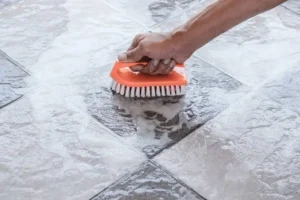
For stubborn grout dirt, use a soft grout brush and an appropriate cleaner. Work on small areas and rinse away residue when required.
Ceramic and porcelain tiles generally handle wet cleaning well, but textured tiles can require extra attention. Experts also recommend changing dirty mop water and removing leftover cleaning solution to avoid dull or sticky floors.
Natural stone requires additional care. Never assume that a tile cleaner is automatically safe for marble, limestone, travertine, or other natural stone.
How to Deep Clean Vinyl Floors
Vinyl flooring is popular because it is durable and relatively easy to maintain. Still, it needs the correct cleaning technique to protect its surface.
Start by removing sand, dust and pet hair with a soft broom or vacuum. Then use a damp microfiber mop with a vinyl-safe cleaner.
Avoid stiff brushes and aggressive vacuum rollers that can scratch the surface. Good Housekeeping also recommends avoiding steam mops on vinyl plank flooring because heat, moisture and pressure can cause problems.
For difficult marks, use a gentle cleaning method rather than harsh chemicals. Clean spills quickly because dried residue becomes harder to remove later.
How to Deep Clean Laminate Floors
Laminate floors may look like hardwood, but their cleaning needs differ. The most important rule is to control the amount of water used.
Vacuum first and then use a slightly damp microfiber mop. The mop should be well wrung out rather than dripping wet.
The Home Depot recommends using less water on laminate and drying the surface after damp cleaning. It also advises against wax and polish because they can create problems on laminate surfaces.
Good Housekeeping similarly recommends avoiding excessive moisture, abrasive cleaners and steel wool. It also cautions against steam cleaning unless the flooring manufacturer confirms that the method is safe.
How to Deep Clean Floors Without Leaving Streaks
Streaks usually come from dirty water, excess cleaner or an unsuitable mop. They can also appear when a cleaning solution dries before you remove it.
Use a clean microfiber mop and follow the cleaner’s recommended dilution. Work in small sections and rinse the mop regularly.
Less cleaner often produces a cleaner-looking floor. Too much product can leave residue that attracts dust and makes the surface look dull.
If streaks remain after cleaning, wipe the area with a clean, damp microfiber cloth when the floor material allows it. Then dry the surface completely.
How to Remove Tough Floor Stains
Different stains need different approaches. Food, grease, mud, shoe marks and pet accidents should not all receive the same treatment.
Start with the gentlest method that is safe for your flooring. Use a microfiber cloth or soft brush before trying a stronger cleaning product.
| Stain | Recommended First Step |
|---|---|
| Fresh food spill | Wipe immediately with a damp cloth |
| Mud | Let it dry, then vacuum and damp clean |
| Grease | Use a floor-safe degreasing cleaner |
| Shoe scuffs | Gently wipe with a suitable cleaner |
| Pet accident | Remove liquid quickly and clean with a compatible product |
| Grout buildup | Use a suitable grout cleaner and soft brush |
Test unfamiliar products in a hidden area first. This simple step can help prevent discoloration or damage to the finish.
Common Floor Cleaning Mistakes to Avoid
Many floor problems happen because people use too much water or the wrong cleaning product. A floor can look clean while its protective finish slowly suffers.
Avoid using abrasive scrubbers on delicate surfaces. Steel wool and harsh powders can scratch finishes and leave permanent marks.
Do not mix cleaning chemicals unless the product labels specifically allow it. Never mix bleach with ammonia or other incompatible cleaners.
Another common mistake involves using the same mop for every room. A dirty mop can transfer grease and grime from the kitchen into bedrooms and living spaces.
Can You Use a Steam Mop for Deep Cleaning Floors?
Steam cleaning can work well on some sealed surfaces, but it is not automatically safe for every floor. The flooring manufacturer should always have the final say.
Experts caution against using steam mops on hardwood and laminate because heat and moisture can damage these materials.
Some ceramic and porcelain tile surfaces can tolerate steam cleaning, especially when they are properly sealed. Always check both the flooring and steam-mop instructions before using steam.
How to Keep Floors Cleaner for Longer
Deep cleaning becomes easier when daily dirt does not have time to accumulate. Simple habits can reduce the amount of work needed each month.
Place mats near exterior doors to catch dirt before it reaches the floor. Removing outdoor shoes can also reduce the amount of abrasive grit carried indoors.
Vacuum high-traffic areas regularly and clean spills as soon as they happen. Keep pet nails trimmed if you have animals because long nails can contribute to scratches on some flooring.
A regular maintenance routine also protects your investment. Preventing dirt buildup is easier than removing months of accumulated grime.
A Simple Floor Deep Cleaning Routine
If you want a practical routine, start with the rooms that receive the most traffic. Clean one area at a time so you can give each surface proper attention.
First, remove clutter and furniture that you can safely move. Next, vacuum or sweep thoroughly before using any liquid cleaner.
After dry cleaning, clean edges and corners with a microfiber cloth. Then mop with the correct cleaner while keeping moisture under control.
Finish by drying the floor and returning furniture once the surface is completely dry. This process provides a simple answer to how to deep clean floors without using unnecessary products.
Deep Cleaning Floor Comparison
| Floor Type | Cleaning Method | Main Concern |
|---|---|---|
| Hardwood | Very low water + microfiber mop | Excess moisture |
| Laminate | Low water + microfiber mop | Water damage |
| Vinyl | Low to moderate water + microfiber mop | Heat and harsh tools |
| Ceramic Tile | Moderate water + tile mop | Grout buildup |
| Porcelain Tile | Moderate water + microfiber mop | Residue and grout |
| Natural Stone | Low to moderate water + stone-safe mop | Wrong chemicals |
The table provides a general guide, but your flooring manufacturer’s instructions should always take priority.
Frequently Asked Question
How often should I deep clean my floors?
Most homes can deep clean floors monthly, but high-traffic areas may need more frequent attention. Kitchens and entryways often require deeper cleaning because they collect more dirt.
What is the best mop for deep cleaning floors?
A microfiber mop is a good general choice for many hard surfaces. However, choose a mop that matches your flooring and avoid excessive water on moisture-sensitive materials.
Can I use vinegar on every floor?
No. Vinegar is not suitable for every flooring material, especially some natural stone surfaces. Always check the manufacturer’s cleaning instructions before using acidic cleaners.
Should I vacuum before mopping?
Yes. Vacuuming or sweeping first removes loose dirt that could spread during wet cleaning. It can also reduce scratching caused by grit being dragged across the surface.
Can I use a steam mop on hardwood floors?
Experts generally advise against steam mops on hardwood floors. Heat and moisture can damage the finish or penetrate vulnerable areas of the wood.
How do I deep clean floors without making them sticky?
Use the correct amount of floor cleaner and follow the label instructions. Rinse when required and use clean water rather than repeatedly spreading dirty solution.
How can I make deep cleaning easier?
Vacuum regularly, clean spills quickly, use entry mats and keep high-traffic areas maintained. These habits prevent heavy buildup and reduce the need for aggressive cleaning.
Conclusion
Clean floors can change how an entire home looks and feels. However, deep cleaning works best when you match the method to the flooring material.
The key is to remove dry dirt first, use the correct cleaner, control moisture and dry the surface properly. Hardwood and laminate need extra care, while tile can usually handle more moisture when cleaned correctly.
If you remember only one rule about how to deep clean floors, remember this: clean thoroughly without using more water or chemicals than your floor needs.
A simple routine can keep floors looking cleaner and reduce long-term wear. With the right tools and a little consistency, deep floor cleaning becomes much easier and safer.


