Setting up a smart cooking space starts with picking the must need kitchen items for daily meals. Good tools turn stressful dinner rushes into calm family routines. You save time and money when you buy gear that works hard.
Many people waste cash on cheap gadgets that sit unused in drawers. Smart cooks pick strong basics that fit small counters and tight budgets. Let us explore the must need kitchen items that make cooking simple.
Building a Strong Cookware Foundation
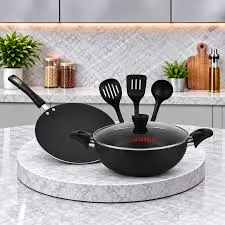
Your pots and pans do the heavy work for breakfast, lunch and dinner. Thick metal spreads heat evenly so food cooks without burning spots. Good must need kitchen items in this group last for many years.
A heavy skillet sears chicken and browns veggies with crisp edges. A nonstick pan cooks eggs and pancakes without messy sticking. A medium saucepan boils pasta, rice and oats with ease.
A large stockpot handles big batches of soup, corn and Sunday pasta. Heavy lids trap steam inside so grains cook tender and fast. Riveted metal handles stay cool longer and give you a safe grip.
| Cookware Piece | Best Material | Everyday Cooking Use |
| Frying Pan | Hard-Anodized Nonstick | Eggs, pancakes, fish |
| Skillet | Stainless Steel | Searing meat, pan sauces |
| Saucepan | Stainless Steel with Lid | Pasta, rice, warm milk |
| Dutch Oven | Enameled Cast Iron | Soups, stews, bread baking |
Essential Knives and Cutting Boards
Dull blades force you to press hard and slip on slick food. Sharp knives slice tough squash and ripe tomatoes with light pressure. You need just three core knives for most daily prep work.
Keep an eight-inch chef’s knife for chopping veggies and meat. Add a small paring knife for peeling fruit and trimming small parts. Grab a serrated bread knife to cut crusty loaves without crushing them.
A honing steel keeps your blade edge straight between sharpens. Pull the knife down the rod gently a few times before chopping. Sharp edges turn slow prep into fast and safe kitchen work.
Pair your knives with sturdy cutting boards to protect your blades. The FDA Safe Food Handling guide recommends separate boards for raw meat and fresh produce. Clean boards keep your family safe from harmful food germs.
Mixing Bowls and Measuring Tools
Setting out ingredients before you cook makes meal prep smooth and fast. Nesting mixing bowls save cabinet space and hold tossed salads or dough. Glass and steel bowls resist stains and never hold strong onion smells.
Non-slip silicone bases keep bowls steady while you whisk thick batter. Tight lids turn your mixing bowls into quick fridge dishes for leftovers. You wash fewer dishes when one bowl handles prep and storage.
Baking needs exact amounts so cakes rise and cookies stay soft. Steel measuring cups and spoons measure dry flour and spices well. A clear glass cup with angled lines helps you read liquids fast.
A digital kitchen scale weighs flour and sugar down to the exact gram. Weighing ingredients stops dense cakes caused by packed measuring cups. You can reset the scale to zero and add items in one bowl.
Utensils for Stirring, Flipping and Prep
Good handheld tools help you stir sauces and flip food safely. Heat-resistant silicone spatulas scrape every bit of batter from bowls. Locking tongs grip hot meat and roasted veggies without slipping.
A sturdy wooden spoon stirs thick stews and will not scratch pans. A slotted spoon lifts boiled eggs and veggies out of hot water. You can read more in our guide on what are the best kitchen utensils to match tools with pans.
A stainless steel balloon whisk beats eggs and blends smooth gravies fast. A deep soup ladle serves hot chili and broth without messy counter drips. Keep daily utensils in a heavy crock right beside your stove.
Bakeware and Everyday Prep Helpers
Rimmed baking sheets roast veggies and bake cookies with even heat. Wire cooling racks let air flow under baked goods and bacon. A nine-by-thirteen baking dish handles family casseroles and brownies well.
Small prep tools save wrist strain during busy weekday dinners. A sharp Y-peeler strips carrots and potatoes in smooth quick strokes. A box grater shreds fresh cheese and veggies without extra cost.
A fine-mesh strainer rinses tiny rice grains and sifts lumpy flour smoothly. A sturdy can opener cuts lids cleanly without leaving sharp metal edges. Adding these must need kitchen items speeds up every weekday recipe.
| Prep or Bake Tool | Main Kitchen Job | Why It Helps You |
| Half Sheet Pan | Roasting and baking | Cooks food evenly at high heat |
| Y-Peeler | Peeling fruits and roots | Peels fast with less hand strain |
| Box Grater | Shredding cheese and slaw | Saves money over pre-shredded bags |
| Colander | Draining pasta and rinsed food | Drains hot water safely in sink |
Small Countertop Appliances Worth the Space
Counter space stays tight, so small appliances must earn their spot daily. A reliable drip coffee maker or electric kettle speeds up busy mornings. Boiling water in an electric kettle takes half the time of a stove.
A compact blender crushes frozen fruit for healthy smoothies in seconds. You can also blend hot tomato soup right in the pitcher. Wipe the base clean after use so crumbs never build up.
An instant-read digital meat thermometer checks food safety in two seconds. According to the USDA Safe Temperature Chart, chicken must reach 165°F inside. Accurate checks keep meat juicy and protect your family from illness.
Smart Pantry and Fridge Organization Tools
Cluttered shelves waste money because you buy food you already own. Clear airtight canisters keep rice, oats and sugar fresh for months. Square bins stack neatly and use every inch of deep pantry shelves.
Lazy Susans spin smoothly so oil bottles and spices stay easy to reach. Drawer dividers separate forks, spoons and peelers into neat rows. Organized drawers save precious minutes during hectic weeknight dinner prep.
Fridge bins group yogurt cups, snack packs and fresh produce together. Clear sides let you spot wilting greens before they spoil in the back. Good organization turns grocery restocks into a calm five-minute task.
Kitchen Linens and Heat Protection Gear
Grabbing hot pan handles with wet dish towels causes painful steam burns. Thick silicone oven mitts block high heat and grip heavy pans safely. Long cuffs protect your wrists when reaching into deep hot ovens.
Absorbent cotton dish towels dry wet hands and polish clean wine glasses. Keep a stack of microfiber cloths ready for wiping sticky counters fast. Wash kitchen towels in hot water often so germs never spread.
Heat-resistant trivets protect wood tables and stone counters from hot pots. Silicone mats double as jar openers when lids feel stuck tight. Simple linens keep your hands safe and your surfaces scratch-free.
Smart Food Storage and Kitchen Cleanup
Airtight pantry bins keep flour, rice and cereal fresh for months. Clear containers help you spot low stock before you shop. Glass storage boxes move leftovers from the fridge to the microwave.
Clean counters and sinks make cooking feel easy every single day. Keep dish soap, sponges and clean towels right by the sink. Our guide on dishwasher cleaning tablets shows simple ways to keep dishes spotless.
A stainless steel sink strainer catches food scraps before they clog pipes. Dish drying racks with drain boards keep wet plates neat beside the sink. Using these must need kitchen items keeps cleanup fast after big meals.
| Cleanup & Storage Gear | Best Placement | Daily Household Benefit |
| Glass Food Boxes | Fridge & Pantry | Reheats leftovers safely without stains |
| Silicone Oven Mitts | Beside Stove | Blocks high oven heat with firm grip |
| Sink Mesh Strainer | Kitchen Drain | Stops food scraps from clogging pipes |
| Drawer Dividers | Prep Drawers | Keeps small tools neat and easy to find |
Setting Up a Kitchen on a Starter Budget
Moving into a first apartment feels exciting, yet buying gear gets costly fast. Focus on versatile tools that handle three or four jobs at once. Skip single-use gadgets like banana slicers or bulky egg cookers first.
Buy must need kitchen items one piece at a time instead of huge sets. Boxed sets often pack cheap fillers that break after a few washes. Spending your cash on one great skillet beats owning four thin pans.
Check local thrift shops and seasonal sales for heavy cast-iron cookware. Solid metal pans and glass bowls last decades with basic home care. Smart shopping builds a pro-level kitchen without draining your savings.
Keeping Your Cooking Space Safe Every Day
Kitchen safety starts with good habits and a few simple protective tools. Keep a small ABC fire extinguisher mounted near the kitchen exit door. Never throw water on a grease fire because flames will flare up fast.
Turn pot handles inward toward the back of the stove while cooking. This simple habit stops kids or elbows from knocking hot pans down. Wipe spilled oil off floors right away so nobody slips while carrying food.
Unplug toasters and blenders when you finish using them each morning. Dry your hands well before touching wall outlets or power cords. Safe routines protect your home and keep cooking stress-free for everyone.
Shopping Smart and Caring for Your Gear
You do not need luxury brands to build a great kitchen. Buy strong basics first and skip gadgets that only do one job. Smart planning makes must need kitchen items fit any home budget.
Wash sharp knives by hand and dry them right away to keep edges sharp. Oil wooden boards and spoons often so they do not crack or dry out. Check our list of home essentials near me when you need fast local restocks.
Store heavy pots with paper towels between them to stop surface scratches. Check loose pan handles every few months and tighten screws right away. Proper care keeps your must need kitchen items working like new for years.
Frequently Asked Questions
What are the top must need kitchen items for a new home?
Start with a chef’s knife, cutting board, skillet, saucepan and sheet pan. Add mixing bowls, measuring tools, tongs and dish soap for daily meals.
How many knives should a home cook buy first?
Three knives cover almost every daily task in a home kitchen. Pick a chef’s knife, a paring knife and a serrated bread knife.
Should I use wood or plastic cutting boards?
Use a wood or plastic board for veggies and a separate one for raw meat. Wash boards in hot soapy water after each use to stay safe.
Why should I avoid big boxed cookware sets?
Big sets often include extra pans you rarely use in daily cooking. Buying individual pieces gives you better quality and saves cabinet space.
What small kitchen appliances are actually worth buying?
An electric kettle, compact blender and digital meat thermometer save time daily. They take up little counter space and help with almost every meal.
How do I keep my kitchen gear lasting longer?
Hand wash knives and wood tools and dry them right after washing. Store items cleanly so edges stay sharp and coatings stay smooth.