
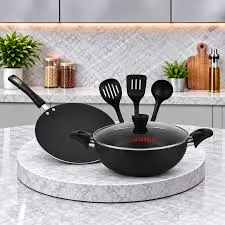
A good kitchen starts with the right tools. When you search for kitchen wares near me, you want stores that sell strong pots, sharp knives and safe utensils at a fair price. This guide shows you how to find them, what to buy and how to make them last.
Shopping close to home has real benefits. You can hold a pan, feel its weight and check its handle before you pay. You also get your items the same day and returns are much easier than with online orders.
Why People Search for Kitchen Wares Near Me
Most people search for kitchen wares near me when they move into a new home or replace old, worn tools. Others need a single item fast, like a frying pan before a family dinner. Local stores solve these needs quickly because you skip shipping times.
Local shopping also helps your community. Small kitchen shops often give expert advice that big websites cannot match. A friendly seller can tell you which pan works on your stove and which knife fits your hand.
What Kitchen Wares Include
Kitchen wares cover every tool you use to store, prepare, cook and serve food. Cookware means pots and pans, while utensils means spoons, spatulas and tongs. Bakeware, knives and storage boxes also fall under this group.
The table below breaks down the main groups so you can plan your shopping list before you leave home.
| Category | Common Items | Why You Need It |
|---|---|---|
| Cookware | Frying pan, saucepan, stockpot, Dutch oven | Cooks food on the stove or in the oven |
| Bakeware | Baking sheet, cake pan, muffin tray | Bakes bread, cakes and roasted food |
| Cutlery | Chef’s knife, paring knife, bread knife | Cuts and slices food safely |
| Utensils | Spatula, ladle, whisk, tongs | Stirs, flips and serves food |
| Prep tools | Cutting board, mixing bowls, measuring cups | Gets food ready before cooking |
| Storage | Glass jars, food boxes, spice racks | Keeps food fresh and the kitchen tidy |
You do not need every item on day one. Start with a few basics, such as one pan, one pot, one knife and a cutting board. Add more tools as your cooking skills grow.
Types of Stores That Sell Kitchen Wares
Many kinds of shops sell kitchen tools and each one serves a different need. Big home stores carry wide choices, while small shops often stock better quality. Knowing the difference helps you pick the right place for your budget.
| Store Type | Best For | Price Level and Main Benefit |
|---|---|---|
| Specialty kitchen shop | Quality cookware and knives | Medium to high, with expert staff and trusted brands |
| Department store | Gift sets and brand names | Medium, with frequent sales and easy returns |
| Supermarket or hypermarket | Quick basic items | Low to medium, and you shop for food and tools in one trip |
| Home and furniture store | Full kitchen setup | Low to medium, with many items in matching styles |
| Local market or bazaar | Steel pots and daily tools | Low, with bargaining and local products |
| Restaurant supply store | Heavy-duty tools in bulk | Medium, with strong, long-lasting items |
Restaurant supply stores are a hidden gem for home cooks. They sell tough pans and sharp knives that chefs use every day. Many of them welcome walk-in shoppers, so ask at the front desk.
For more ideas on setting up a full kitchen, read our guide on essential tools for a new kitchen.
How to Find the Best Kitchen Wares Near Me Online
Your phone is the fastest way to find good shops around you. Type kitchen wares near me into Google Maps and it shows nearby stores with hours, photos and directions. This simple step saves you from driving to a shop that is closed.
After you get a list, follow a few smart checks before you visit:
- Read recent reviews to learn about product quality and staff service.
- Look at customer photos to see the real items on the shelves.
- Call the store to confirm they have the item you need in stock.
- Check social media pages for sales, new arrivals and special offers.
Star ratings alone can fool you, so read what buyers actually say. A store with 4.5 stars and many reviews usually beats one with 5 stars and only a few. Look for comments about returns, warranty help and how staff treat shoppers.
Word of mouth still works well too. Ask friends, family, or neighbors where they bought their favorite pans. People love to share good finds and their advice comes from real use.
How to Choose Quality Cookware Materials
The material of a pan decides how it heats, how long it lasts and how you clean it. Experts often suggest that most home cooks own a small mix of materials rather than one full set. For example, many keep a nonstick pan for eggs and a steel pot for soups.
| Material | Best For | Strengths and Things to Watch |
|---|---|---|
| Stainless steel | Searing, sauces, soups | Lasts for years and works on all stoves, but food can stick without preheating and oil |
| Cast iron | Frying, baking, slow cooking | Holds heat very well and gets slick with use, but it is heavy and needs seasoning to stop rust |
| Nonstick | Eggs, pancakes, fish | Easy to cook with and wipe clean, but the coating wears out and dislikes high heat |
| Carbon steel | Stir-fry and high-heat cooking | Lighter than cast iron with good heat, but it can rust if left wet |
| Enameled cast iron | Stews and braises | Needs no seasoning and looks nice, but the enamel can chip if dropped |
| Copper | Delicate sauces | Heats up and cools down very fast, but it is costly and needs polishing |
If you cook on an induction stove, your pan needs a magnetic base. Hold a fridge magnet to the bottom of the pan in the store. If it sticks firmly, the pan will work on induction.
Also avoid cooking tomato sauces in plain aluminum or unlined copper, because acid can react with these metals. You can learn more in the Consumer Reports cookware buying guide and the Made In cookware material guide.
When you test a pan in a shop, check four things. Feel the weight, look at the handle rivets, check the base thickness and read the label for oven safety. A heavy, flat base heats evenly and does not warp easily.
Smart Ways to Save Money on Kitchen Tools
Good kitchen tools do not have to cost a lot. Buy single pieces you will use daily instead of a big set full of pans you never touch. One strong frying pan often beats ten weak ones.
Prices change a lot by store and brand, so it helps to know the usual price levels. The table below gives a simple picture of what each level offers.
| Price Level | What You Get | Best Choice For |
|---|---|---|
| Budget | Thin pans, plastic handles, basic coating | Students and first homes |
| Mid-range | Thicker bases, steel handles, better coating | Most families who cook daily |
| Premium | Multi-layer steel, lifetime warranty | Serious cooks who want tools for decades |
Timing your shopping also saves money. Big sales often arrive around holidays, Black Friday and the end of the year. Many stores also clear old stock when new designs come in, so ask staff about upcoming offers.
When the person at the counter offers a store card or loyalty program, think about joining. Loyalty points and member discounts add up if you shop there often. Just avoid store credit cards that charge high interest.
How to Care for Your Kitchen Wares
Good care doubles the life of your tools. Wash nonstick pans by hand with a soft sponge and never use metal scrubbers on them. Use wooden or silicone spoons so the coating stays smooth.
Cast iron and carbon steel need a little extra love. Dry them right after washing and rub on a thin layer of oil to stop rust. Our step-by-step guide on how to season a cast iron pan explains the full method.
Knives stay safe when they stay sharp. A dull blade slips more easily and causes more cuts than a sharp one. Store knives in a block or on a magnetic strip, not loose in a drawer and see our tips on keeping kitchen knives sharp.
Finally, know when to replace an item. Throw out nonstick pans with deep scratches or peeling coating and replace cutting boards with deep grooves. These grooves can trap germs that soap cannot reach.
Frequently Asked Questions
What is the difference between kitchenware and cookware?
Cookware means items that go on heat, like pots and pans. Kitchenware is the bigger group and it also includes knives, bowls, utensils and storage boxes.
Which cookware material is safest for daily use?
Stainless steel, cast iron and enameled cast iron are popular safe picks for everyday cooking. Use nonstick pans on low to medium heat and replace them once the coating starts to peel.
What basic kitchen tools should a beginner buy first?
Start with one frying pan, one saucepan, a chef’s knife, a cutting board and a spatula. These five tools let you cook most simple meals at home.
Is it cheaper to buy kitchen tools online or in a local store?
Online shops sometimes show lower prices, but shipping and return costs can add up fast. Local stores let you check quality first and often match prices during sales.
How often should I replace my nonstick pan?
Most nonstick pans last a few years with gentle use. Replace yours once food starts to stick or the surface shows scratches, because a worn coating no longer works well.
How can I tell if a pan works on an induction stove?
Hold a magnet to the bottom of the pan. If the magnet sticks firmly, the pan will work on induction. Many pans also show an induction symbol on the label or base.
Conclusion
The right tools make cooking easier, safer and more fun. Next time you search for kitchen wares near me, check reviews, test items in your hand and pick materials that suit your cooking style. A little planning helps you buy once and use your tools for many years.
Start small with a few strong basics and build your collection over time. For more help, explore our guide to organizing a small kitchen, or browse the IKEA guide to pot and pan materials and the Sur La Table cookware materials guide.