
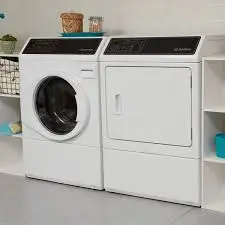
Choosing a new laundry set can feel difficult because many washers and dryers offer similar features. A good machine should clean clothes well, save energy, fit your space and provide dependable performance for years.
If you are searching for the most reliable front load washer and dryer, you should look beyond brand names and attractive features. Reliability depends on the washer design, dryer performance, maintenance needs, service availability and the quality of the specific model.
This guide explains what makes a front load washer and dryer reliable. It also covers important features, energy efficiency, maintenance, capacity, installation and common buying mistakes.
What Makes a Front Load Washer and Dryer Reliable?
A reliable laundry set should perform its basic job consistently without creating unnecessary problems. The washer should clean clothes properly, remove excess water and operate smoothly during repeated cycles.
The dryer should remove moisture efficiently without overheating clothes or wasting excessive energy. Simple controls, strong construction, good warranty coverage and available repair service can also support long-term ownership.
Reliability data can also help shoppers understand how often certain machines require service. For example, Yale Appliance’s 2026 service data reported a 4.6% first-year service rate for front-load washers across its tracked brands and models.
However, service data from one retailer does not represent every household. It is better to use reliability information as one part of your buying decision rather than treating it as a guarantee.
Why Choose a Front Load Washer?
Front load washers use a horizontal drum that tumbles clothing through water and detergent. This design can clean large loads while using less water than many traditional top-load machines.
ENERGY STAR states that certified front-load washers use about 50% less energy and water than traditional top-load agitator washers. They also remain more efficient than top-load impeller models.
Front load washers can also remove more water during the spin cycle. This feature leaves clothes less wet and can reduce the amount of work required from the dryer.
The design also works well for stacking. A stacked washer and dryer can save valuable floor space in smaller laundry rooms.
How to Choose the Most Reliable Front Load Washer and Dryer
When looking for the most reliable front load washer and dryer, start with the basics instead of choosing a machine because it has the most smart features.
Look at capacity, efficiency, warranty coverage, repair support, cycle options, drum design, noise levels and installation requirements. These factors can have a bigger effect on ownership than extra app features.
Check Washer Capacity
Washer capacity should match the amount of laundry your household normally produces. A larger drum can handle bedding and large loads, but a huge washer may waste space if you usually wash small loads.
ENERGY STAR notes that certified washers come in different widths and drum capacities. It recommends considering both your available space and the typical size of your laundry loads.
The table below shows how capacity can fit different laundry needs.
| Washer Capacity | Suitable For | Common Use |
|---|---|---|
| 2.5–3.5 cu. ft. | Small households | Everyday clothing |
| 3.6–4.4 cu. ft. | Medium households | Clothing and towels |
| 4.5–5.0 cu. ft. | Larger households | Large weekly loads |
| 5.1+ cu. ft. | Very large loads | Bedding and bulky items |
Capacity alone does not determine reliability. A well-maintained machine with a suitable capacity can be more practical than an oversized model with features you rarely use.
Compare Energy Efficiency
Energy efficiency matters because washers and dryers operate frequently. A more efficient laundry set can reduce energy and water use over its operating life.
ENERGY STAR says certified clothes washers use about 20% less energy and 30% less water than regular washers. The organization also provides product information that allows shoppers to compare energy and water performance.
For dryers, shoppers can compare the Combined Energy Factor or CEF. A higher CEF indicates better energy efficiency under the ENERGY STAR measurement system.
| Feature | What to Check | Why It Matters |
|---|---|---|
| ENERGY STAR | Certified model | Can reduce energy and water use |
| IMEF | Higher value | Indicates better washer efficiency |
| IWF | Lower value | Indicates lower water use |
| Dryer CEF | Higher value | Indicates better dryer efficiency |
| Spin speed | High-speed option | Can reduce moisture before drying |
Look for a Matching Washer and Dryer
A matching washer and dryer can make laundry easier because manufacturers generally design the pair to handle compatible load sizes. The dryer should have enough drum space for clothes coming from the washer.
ENERGY STAR recommends considering a matching pair because manufacturers normally design them to work with similarly sized loads.
A matching set can also provide a similar appearance and compatible stacking options. However, you should still compare each machine’s efficiency and features before buying both together.
Features That Can Improve Everyday Use
Modern front load washers include many useful features. Some models offer steam cycles, automatic detergent systems, quick wash programs, high spin speeds and smartphone controls.
Not every feature is necessary for every household. The most useful features are the ones that solve a real laundry problem without making the machine unnecessarily complicated.
A high spin speed can help reduce moisture before clothes enter the dryer. ENERGY STAR recommends using high or extended spin options when appropriate because less remaining moisture can shorten drying time.
Other useful features can include:
- Large doors for easier loading
- Adjustable spin speeds
- Quick wash cycles
- Extra rinse options
- Automatic load sensing
- Drum-cleaning programs
- Stackable designs
- Moisture sensors in dryers
Washer Reliability and Maintenance
Even a well-designed washer needs regular care. Front load washers use a sealed door gasket that helps prevent water from escaping during operation.
That seal can also hold moisture after a wash cycle. ENERGY STAR recommends leaving the washer door ajar after use so moisture can evaporate and reduce the chance of mold or mildew buildup.
You should also follow the maintenance instructions in the owner’s manual. Cleaning the detergent drawer, door seal, drain area and washer drum can help keep the machine operating properly.
Regular maintenance can be just as important as choosing a reliable model.
Dryer Reliability and Maintenance
A dryer also needs regular maintenance to operate safely and efficiently. The lint filter should be cleaned regularly because accumulated lint can reduce airflow.
The dryer vent also needs attention because restricted airflow can increase drying time. A dryer that takes much longer than normal to dry clothes may need cleaning or professional inspection.
Moisture sensors can help modern dryers stop a cycle when clothes reach the desired dryness. This can prevent unnecessary drying and may reduce energy use.
Heat pump dryers provide another efficiency option. ENERGY STAR identifies certified heat pump dryers as an option for shoppers seeking additional energy savings.
Front Load Washer and Dryer Comparison
The following comparison can help you understand what to prioritize when shopping.
| Buying Factor | Washer | Dryer |
|---|---|---|
| Capacity | Match normal laundry loads | Match washer capacity |
| Efficiency | Check IMEF and IWF | Check CEF |
| Maintenance | Clean gasket and drum | Clean lint filter and vent |
| Installation | Check depth and door clearance | Check vent or heat pump requirements |
| Noise | Look for vibration control | Check operating noise |
| Controls | Choose useful cycles | Choose useful drying programs |
| Warranty | Review coverage | Review coverage |
| Service | Check local repair support | Check local repair support |
Does Brand Matter for Reliability?
Brand reputation can provide useful information, but it should not be the only factor. Different models from the same manufacturer can have different designs, features, service requirements and reliability records.
Yale Appliance’s 2026 service data found differences among front-load washer brands. Its tracked data placed LG at a 2.7% service rate, but this represents Yale Appliance’s own service records rather than the entire market.
Current ENERGY STAR listings also show certified front-load models from many manufacturers. These include brands such as LG, Samsung, Electrolux, GE, Maytag, Miele, Bosch, Whirlpool and others.
Therefore, shoppers should compare the specific model, not simply choose a brand because it has a strong reputation.
Check Warranty and Repair Support
A warranty can provide protection if a covered component fails. Before buying, read the warranty terms carefully and check what parts and labor are included.
Local repair support is also important. A machine may have excellent features, but repairs can become inconvenient if qualified technicians or replacement parts are difficult to find.
Ask these questions before purchasing:
- How long is the standard warranty?
- Which parts have extended coverage?
- Is labor included?
- Are authorized technicians available nearby?
- Are replacement parts easy to obtain?
- Does the manufacturer offer customer support?
These questions can help you estimate the practical ownership experience.
Measure Your Laundry Space Before Buying
Front load washers and dryers can have large capacities, so they may require considerable depth. Measuring the available space before ordering can prevent installation problems.
Measure the width, height and depth of the laundry area. Also measure doorways, hallways, stairs and other paths that the machines must pass through.
Remember to check clearance around the machines. The washer door needs enough space to open fully, while stacked units may require specific installation dimensions.
Washer and Dryer Reliability vs. Extra Features
Smart controls can make laundry more convenient, but they do not automatically make a machine more reliable. A simple washer with the right capacity and useful cycles may suit some households better than a highly connected model.
Wi-Fi controls can provide notifications and remote monitoring. However, shoppers should still focus on the machine’s cleaning performance, construction, maintenance requirements, warranty and service availability.
Choose useful technology rather than paying extra for features you will rarely use.
Common Mistakes to Avoid
One common mistake is buying the largest machine available without considering household needs. Large capacity can be useful, but it may increase the machine’s size and purchase price.
Another mistake is ignoring installation requirements. A washer and dryer can look perfect online but become difficult to install when the available space is too narrow or shallow.
Some shoppers also ignore maintenance. Leaving a front load washer closed while wet can allow moisture to remain around the door seal.
Finally, avoid choosing a machine based only on appearance. Reliability, efficiency, service support, capacity and maintenance should receive more attention than color or exterior design.
How Much Should You Spend?
The price of a washer and dryer varies according to capacity, technology, efficiency, construction and features. A higher purchase price does not automatically guarantee better reliability.
Instead of setting a budget around one brand, compare the total value of several models. Consider purchase price, energy use, expected maintenance, warranty coverage and available service.
ENERGY STAR also provides a product finder where shoppers can compare certified laundry products and review efficiency information.
Is a Front Load Washer Better for Large Families?
A front load washer can be useful for large families because many models offer large drums. The horizontal design allows clothes to tumble through the wash rather than relying on a traditional agitator.
Large-capacity models can handle more clothing and bulky items such as bedding. However, you should choose capacity based on your actual laundry routine rather than buying the largest drum available.
How to Keep Your Front Load Washer Reliable
Simple maintenance can help protect your investment. Wipe the door gasket when necessary, clean the detergent dispenser and use the washer-cleaning cycle according to the manufacturer’s instructions.
Leave the door slightly open after washing when it is safe to do so. This allows moisture to escape and helps keep the interior fresher.
Use the correct detergent and follow the manufacturer’s recommended amount. Too much detergent can create excess residue and may interfere with proper cleaning.
Final Buying Checklist
Before purchasing the most reliable front load washer and dryer, compare the complete ownership picture rather than focusing on one specification.
Check the following areas:
| Checklist | What to Look For |
|---|---|
| Reliability | Service data and model history |
| Efficiency | ENERGY STAR certification |
| Capacity | Suitable for household laundry |
| Installation | Correct dimensions and clearance |
| Maintenance | Easy cleaning and care |
| Warranty | Clear parts and labor coverage |
| Service | Local technician availability |
| Dryer performance | Good airflow and moisture sensing |
| Features | Useful cycles and controls |
| Cost | Purchase price plus operating costs |
A reliable laundry set should make everyday laundry easier without creating unnecessary maintenance or operating costs.
Conclusion
Finding the most reliable front load washer and dryer requires more than selecting a popular brand. You should compare specific models based on reliability information, energy efficiency, capacity, maintenance, warranty coverage and local service.
Front load washers can provide strong cleaning performance while using less water and energy than traditional top-load agitator washers. ENERGY STAR also provides useful measurements such as IMEF and IWF for comparing washer efficiency.
The dryer deserves the same attention because it can affect both energy costs and laundry time. A suitable dryer should match the washer’s capacity and provide efficient moisture removal.
Most importantly, remember that reliability is not determined by one feature or one brand. A properly installed and regularly maintained machine can provide a better ownership experience than a poorly maintained machine with expensive features.
For that reason, the best approach is to compare models carefully, read warranty information, check service availability and choose a washer and dryer that match your actual laundry needs.
Frequently Asked Question
What is the most reliable front load washer and dryer?
There is no single model that can be guaranteed as the most reliable for every household. Reliability data can vary by retailer, region, model and service history, so compare specific models before buying.
Are front load washers reliable?
Yes, modern front load washers can provide reliable performance when properly installed and maintained. Current service data also shows that front-load reliability can be competitive with top-load machines.
Do front load washers use less water?
Yes. ENERGY STAR reports that certified front load washers can use about 50% less energy and water than traditional top-load agitator washers.
How long should a front load washer last?
The lifespan depends on the model, household usage, maintenance, installation and repair history. Manufacturers and retailers may provide different expectations, so check the specific product warranty and service information.
Do front load washers get mold?
Moisture can remain around the door seal if the washer stays closed after use. Leaving the door ajar after a cycle can help moisture evaporate and reduce the chance of mold or mildew buildup.
Should the washer and dryer be the same brand?
They do not always need to be the same brand. However, matching sets are often designed to work with compatible capacities and may offer convenient stacking or installation options.
Are ENERGY STAR washers worth considering?
ENERGY STAR certification is useful because it identifies products that meet established energy-efficiency requirements. Shoppers can use the ENERGY STAR Product Finder to compare certified models.
What should I check before buying a front load washer?
Check capacity, dimensions, energy efficiency, spin speed, maintenance requirements, warranty coverage and local repair support. These factors can have a major effect on long-term ownership.


