
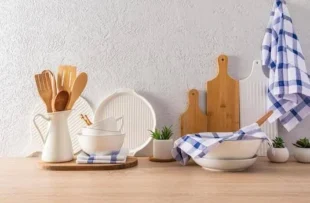
A home contains many objects that help with cooking, cleaning, sleeping, studying, relaxing and staying organized. Pictures of household items make it easier to recognize these objects, learn their names, understand their uses and choose the right items for different rooms.
Whether you are creating a home checklist, learning English vocabulary, organizing your house or teaching children about everyday objects, pictures can make learning much simpler. Household items can be grouped by room and purpose, which helps you understand where each item belongs and how it supports daily life.
What Are Household Items?
Household items are everyday objects used inside or around a home. They include furniture, kitchen tools, cleaning supplies, bathroom products, storage items, electrical appliances and other useful objects.
Some household items provide comfort, while others help you complete specific tasks. For example, a bed supports sleeping, a refrigerator stores food, a broom cleans floors and a lamp provides light.
Why Pictures of Household Items Are Useful
Pictures provide a quick way to identify an object without depending only on its written name. This makes them especially useful for children, students, language learners and people who are building a household vocabulary list.
When you study pictures of household items, you can connect the appearance of an object with its name and purpose. Visual learning can also make it easier to remember similar objects, such as a spoon and ladle or a cupboard and wardrobe.
Pictures are also helpful when creating shopping lists or organizing a new home. A room-by-room visual guide can show which basic items are commonly needed without making the list difficult to understand.
Common Household Items by Room
Different rooms contain different types of household items because each space has a specific purpose. The table below provides a simple overview of common items found in major areas of a home.
| Room | Common Household Items | Main Purpose |
|---|---|---|
| Kitchen | Stove, refrigerator, plates, cups, pans | Cooking and food storage |
| Bedroom | Bed, pillow, wardrobe, blanket | Sleeping and clothing storage |
| Bathroom | Towel, mirror, soap, toothbrush | Personal care |
| Living Room | Sofa, table, television, curtains | Relaxing and entertaining |
| Laundry Area | Washing machine, basket, detergent, iron | Washing and caring for clothes |
| Study Area | Desk, chair, lamp, bookshelf | Studying and working |
This type of room-based organization makes pictures of household items easier to understand because you can learn objects according to where you normally see them.
Pictures of Kitchen Household Items
The kitchen contains many tools and appliances that support cooking, food preparation, serving and storage. Common items include plates, bowls, spoons, forks, knives, cooking pans, pots, cutting boards, cups, glasses, kettles and food containers.
Large kitchen appliances can include refrigerators, ovens, microwaves, stoves, dishwashers and electric kettles. Smaller tools can include measuring cups, peelers, graters, strainers, spatulas, tongs and whisks.
Looking at pictures of household items in a kitchen can help children and language learners identify objects that they see every day. It can also help someone preparing a first-home checklist understand which items may be useful.
Pictures of Bedroom Household Items
The bedroom is mainly used for sleeping, dressing, storage and personal comfort. Common bedroom items include a bed, mattress, pillow, blanket, bedsheet, wardrobe, dresser, mirror, curtains, alarm clock and bedside lamp.
Storage plays an important role in keeping a bedroom organized. Wardrobes, drawers, baskets, shelves and storage boxes can help keep clothes and personal belongings in their proper places.
A simple picture guide can make bedroom vocabulary easier because many objects have different names depending on their size, design or purpose. Learning the name together with the picture helps create a stronger connection between the word and the object.
Pictures of Bathroom Household Items
Bathrooms contain items used for washing, grooming, cleaning and personal care. Common examples include soap, shampoo, toothbrushes, toothpaste, towels, mirrors, combs, toilet paper, shower curtains, buckets and bath mats.
Some bathroom items need regular cleaning because they are exposed to water and moisture. Towels, shower areas, bath mats and frequently touched surfaces should receive regular attention as part of normal household cleaning.
Pictures can help young learners identify bathroom objects without confusing them with items used in bedrooms or kitchens. This approach is also useful for teachers who want to introduce basic English vocabulary through familiar objects.
Pictures of Living Room Household Items
The living room is usually a shared space for relaxing, talking, reading, watching television and spending time with family. Common items include sofas, chairs, coffee tables, rugs, curtains, lamps, cushions, bookshelves, televisions and remote controls.
The exact furniture depends on the size and design of the home. Some homes may use floor cushions, small tables, storage cabinets or multifunctional furniture instead of large traditional pieces.
When you use pictures of living room objects, you can quickly understand the difference between furniture and smaller accessories. This makes visual vocabulary lists more useful for students and new homeowners.
Cleaning Household Items
Cleaning tools help remove dust, dirt, spills and other unwanted material from different surfaces. Common cleaning items include brooms, dustpans, mops, buckets, brushes, microfiber cloths, dusters, sponges, vacuum cleaners and trash bags.
Different tools work better for different cleaning tasks. A broom can collect loose dirt from floors, while a mop can clean suitable hard floor surfaces after sweeping.
Cleaning products require careful storage, especially when they contain ingredients that can harm people if swallowed, inhaled or absorbed through the skin. MedlinePlus recommends keeping household products in their original containers and following the product label instructions.
The American Cleaning Institute also recommends keeping cleaning products away from children and using suitable storage methods such as cabinet locks and organized shelves.
Household Storage Items
Storage items help keep everyday belongings organized and easy to find. Popular examples include storage boxes, baskets, shelves, cabinets, drawers, containers, hooks, organizers and racks.
A good storage system gives frequently used objects a fixed place. Organizing experts commonly recommend sorting items by category and giving each group a designated home, which can make everyday tidying easier.
| Storage Item | Suitable Use |
|---|---|
| Storage box | Clothes, toys, documents and accessories |
| Basket | Towels, blankets or small items |
| Shelf | Books, decorations and containers |
| Drawer organizer | Small personal belongings |
| Shoe rack | Shoes and slippers |
| Kitchen container | Dry food and ingredients |
| Cabinet | Larger household supplies |
Using pictures of household items alongside storage categories can make organization easier for children and beginners. A picture shows not only what the object looks like but also helps explain where it may belong.
Electrical Household Items
Modern homes contain many electrical items that make daily activities more convenient. Common examples include fans, televisions, refrigerators, washing machines, irons, lamps, microwaves, electric kettles, computers and vacuum cleaners.
Electrical appliances should be used according to their instructions and kept away from unsuitable moisture. Regularly checking cords, plugs and appliances can also help identify visible damage before continued use.
Pictures are especially useful for learning appliance names because some appliances have similar shapes or functions. A visual comparison can help learners understand the difference between an iron, kettle, toaster and other small appliances.
How to Organize Household Items
Good organization starts with identifying what you actually use. Sort belongings by room, purpose or frequency of use, then give regularly used objects an easy-to-reach location.
Avoid filling every shelf simply because space is available. A less crowded home can make it easier to find useful items and notice things that are broken, expired, duplicated or no longer needed.
Recent home-organization guidance also emphasizes reducing clutter, using vertical storage and giving each item a fixed place.
How to Make a Household Items Checklist
A household checklist can help you prepare for moving into a new home or replace missing essentials. Start with the rooms that you use most often, then add items according to their importance and frequency of use.
For example, a basic kitchen checklist might include cooking tools, plates, cups, food-storage containers and cleaning supplies. A bedroom checklist may include bedding, pillows, clothing storage, lighting and basic personal items.
Using pictures of household items on a checklist can make the process easier because you can recognize an item quickly instead of reading a long description. This method can work particularly well for children, visual learners and people learning household vocabulary.
How to Learn Household Item Names in English
Learning household vocabulary becomes easier when you connect each English word with a familiar object. Instead of memorizing a long list, choose one room and learn five to ten items at a time.
For example, start with the kitchen and learn words such as plate, spoon, cup, bowl, pan, pot, stove, refrigerator, kettle and container. Then practice saying each word while looking at the actual object or a clear picture.
You can also create simple picture cards with the English name under each object. Repeated practice helps learners remember the vocabulary and understand how each word is used in everyday conversation.
How Pictures Help Children Learn Household Vocabulary
Children often learn new words more easily when they can connect a word with a familiar object. A picture provides a clear visual reference and can make vocabulary activities more interesting.
Parents and teachers can show one picture at a time and ask the child to identify the object. They can then ask simple questions such as, “What is this?” or “Where do we use it?”
This method can turn pictures of household items into a simple learning activity instead of a basic vocabulary list. It can also help children learn spelling, pronunciation and object categories together.
Keeping Household Items Clean and Useful
Regular cleaning helps keep many household objects in better condition. However, different materials require different cleaning methods, so always consider the item’s care instructions before applying a product.
New household items can also collect dust or residue during manufacturing, packaging, transportation or storage. Good Housekeeping recently recommended washing several new household items, including bedding, towels, kitchen supplies, clothing and kitchen textiles, before first use.
Some everyday items also need replacement when they become worn or ineffective. For example, damaged cleaning tools, worn toothbrushes, old filters and other frequently used products should be checked regularly.
Simple Household Items Reference Table
The following table gives a quick reference for common home objects and their everyday uses.
| Household Item | Category | Main Use |
|---|---|---|
| Bed | Bedroom | Sleeping |
| Sofa | Living room | Sitting and relaxing |
| Stove | Kitchen | Cooking |
| Refrigerator | Kitchen | Food storage |
| Broom | Cleaning | Sweeping floors |
| Mop | Cleaning | Cleaning suitable floors |
| Towel | Bathroom | Drying |
| Mirror | Bathroom/Bedroom | Viewing reflection |
| Wardrobe | Bedroom | Storing clothes |
| Lamp | Lighting | Providing light |
| Washing machine | Laundry | Washing clothes |
| Iron | Laundry | Removing wrinkles |
| Basket | Storage | Holding household items |
| Clock | General | Showing time |
Why Room-Based Pictures Work So Well
Grouping objects by room gives learners a simple mental structure. Instead of trying to remember dozens of unrelated words, they can imagine a kitchen, bedroom, bathroom or living room and recall the objects associated with it.
This approach also helps when planning purchases. A person moving into a new home can review each room separately and identify missing essentials without buying unnecessary products.
Conclusion
Learning household objects becomes easier when names, purposes and visuals work together. Pictures of household items can help people identify common objects, learn English vocabulary, organize rooms and create useful home checklists.
From kitchen utensils and bedroom furniture to bathroom supplies and cleaning tools, every household item has a specific role. A simple room-by-room approach can make household vocabulary easier to learn while also making everyday home organization more practical.
Frequently Asked Questions
What are common household items?
Common household items include furniture, kitchen tools, bathroom supplies, cleaning equipment, storage products and electrical appliances. Examples include beds, chairs, plates, towels, brooms, refrigerators and washing machines.
Why are pictures of household items useful?
Pictures make it easier to recognize objects and connect them with their names and uses. They are especially useful for children, students, English learners and people creating household checklists.
What household items are commonly found in a kitchen?
Common kitchen items include plates, bowls, spoons, forks, pans, pots, cutting boards, cups, glasses, food containers, stoves, refrigerators and kettles.
What household items are used for cleaning?
Common cleaning items include brooms, mops, dustpans, buckets, brushes, sponges, microfiber cloths, dusters and vacuum cleaners. The correct tool depends on the surface and cleaning task.
How can I organize household items?
Start by sorting items by room or purpose, remove unnecessary duplicates and give frequently used objects a fixed storage place. Shelves, baskets, drawers, cabinets and labeled containers can make storage easier.
How can children learn household item names?
Use clear pictures and teach a few objects at a time. Ask children to identify each object, say its English name and explain which room or activity uses it.
How often should household items be replaced?
There is no single replacement schedule for every household item. Replace or maintain an item according to its condition, manufacturer guidance, hygiene needs and how frequently you use it.


