
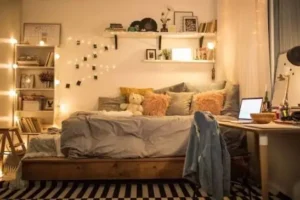
A room should be more than a place where you sleep or keep your belongings. The right setup can make your space feel comfortable, useful, clean and easy to manage every day.
Choosing the right room essentials does not mean filling your room with expensive furniture or trendy decorations. The goal is to select practical items that support your daily routine while keeping the space attractive and organized.
Whether you are moving into a new home, decorating a bedroom, or improving a small living space, a simple plan can help you choose what you actually need. This guide explains the most useful items for creating a comfortable and functional room.
What Are Room Essentials?
Room essentials are the
that make a room comfortable, functional and organized. These items can include furniture, bedding, lighting, storage products, cleaning supplies and small accessories.
The exact items you need depend on the type and size of your room. A bedroom needs different products than a study room, guest room, or living room, but every space benefits from comfort, organization and good lighting.
The best room setup balances comfort, function, storage and personal style. You do not need to buy everything at once because you can build your room slowly according to your needs and budget.
Why Are Room Essentials Important?
A well-planned room can make daily activities easier. When important items have a proper place, you can spend less time searching for things and more time enjoying your space.
Good organization can also make a small room feel larger. Keeping unnecessary items away from walkways and using smart storage can create a cleaner and more relaxing environment.
Your room can also affect your rest and routine. A bedroom with comfortable bedding, suitable lighting, less clutter and a pleasant temperature can create a better environment for relaxation.
Essential Furniture for a Room
Furniture usually forms the foundation of a room. Start with the items that you use every day instead of buying decorative furniture first.
For a bedroom, a comfortable bed and supportive mattress should be the main priority. A bedside table can provide space for a lamp, phone, alarm clock, books, or other nighttime items.
A wardrobe, dresser, or storage cabinet can help keep clothes and personal belongings organized. If the room has enough space, you can also add a small chair, bench, or desk.
| Item | Main Purpose | Best For |
|---|---|---|
| Bed | Sleeping and resting | Bedroom |
| Nightstand | Keeping small items nearby | Bedroom |
| Wardrobe | Storing clothes | Bedroom |
| Dresser | Organizing clothing and accessories | Bedroom |
| Desk | Studying or working | Bedroom or study room |
| Chair | Sitting and relaxing | Most rooms |
| Storage cabinet | Keeping items organized | Bedroom, living room, or office |
Before buying large furniture, measure your room carefully. Leave enough space for doors, drawers, windows and comfortable movement around the furniture.
Comfortable Bedding Matters
Bedding plays an important role in creating a comfortable bedroom. Your basic setup can include a mattress, pillows, fitted sheets, blankets and a comforter or duvet.
Choose bedding based on your sleeping habits and the climate where you live. Breathable materials can feel more comfortable in warm weather, while thicker blankets can provide extra warmth during colder months.
You should also wash and replace bedding regularly. Clean sheets and pillowcases help create a fresher sleeping environment and can reduce the buildup of dust and allergens.
If you are researching useful home products, you can also explore our guide on [Home Essentials] for more practical ideas.
Lighting Is One of the Most Important Room Essentials
Lighting can change the appearance and function of a room. A single ceiling light may provide general illumination, but additional lighting can make the space more useful.
A bedside lamp works well for reading or relaxing before sleep. A desk lamp can provide focused light when studying, writing, or working.
Natural light also has an important role in a room. Keep windows clear when possible and use curtains or blinds to control brightness and privacy.
For bedrooms, softer lighting can create a relaxing atmosphere in the evening. Bright lights and screens close to bedtime may make it harder for some people to wind down, so dimmer lighting can be a useful part of a nighttime routine.
Storage Solutions for an Organized Room
Storage is one of the most useful parts of any room. Without enough storage, clothes, books, cables, accessories and other belongings can quickly create clutter.
Use wardrobes, drawers, shelves, storage boxes, baskets and organizers according to your available space. Under-bed storage can also be useful when floor space is limited.
Wall shelves can provide storage without taking much floor space. However, avoid filling every shelf because too many objects can make the room look crowded.
A good storage system should make frequently used items easy to reach while keeping less-used items out of the way.
Room Essentials for Small Spaces
Small rooms need careful planning because every item takes up valuable space. Large furniture can quickly make a small room feel uncomfortable.
Choose furniture that serves more than one purpose when possible. A bed with drawers, a folding desk, or a storage ottoman can provide useful functions without requiring separate pieces.
Mirrors can also make a room appear more open because they reflect light and create a sense of additional space. However, the placement should match the room layout and your personal preferences.
Avoid buying furniture simply because it looks attractive. Measure the available area first and choose items that fit the room without blocking movement.
Keep Your Room Clean and Fresh
Cleaning supplies are often overlooked when people plan their room. However, a clean room is easier to enjoy and maintain.
Keep basic cleaning products nearby, such as microfiber cloths, a small dustpan, a suitable surface cleaner and a vacuum or compact cleaning tool. The exact products depend on your flooring and furniture materials.
Dust surfaces regularly and keep floors free from unnecessary objects. Wash bedding according to the care instructions and clean areas that collect dust, such as shelves, corners and under furniture.
For more cleaning ideas, check our article [How to Disinfect Floors] to learn more about maintaining clean household surfaces.
Choosing the Right Room Decor
Decor gives your room personality, but it does not need to be expensive. A few carefully selected items can make a room feel more personal.
Wall art, photographs, plants, rugs, curtains, cushions and decorative objects can add character. Try to choose colors and patterns that work together instead of mixing too many different styles.
Your room should also reflect how you use it. Someone who enjoys reading may want a comfortable reading chair and a small bookshelf, while someone who works from home may need a practical desk setup.
How to Create a Relaxing Bedroom
A bedroom should support rest and relaxation. Start by keeping the bed comfortable and the room reasonably clean and organized.
Temperature, light, and noise can influence how comfortable your sleeping environment feels. Many sleep experts recommend keeping the bedroom relatively cool, dark, and quiet for better sleep conditions.
A comfortable mattress and pillow should match your sleeping position and personal preferences. You can also use curtains, a sleep mask, or other practical solutions when outside light becomes a problem.
Reducing clutter can also make the bedroom feel calmer and easier to relax in.
Technology You May Need in Your Room
Modern rooms often need a few technology-related items. A phone charger, power strip, clock, fan, smart light, or small speaker can make daily routines easier.
Cable management becomes important when several devices share one area. Use cable clips or organizers to prevent wires from spreading across the floor or becoming tangled.
Do not overload electrical outlets or use damaged cables. Place electronic devices where they can be used safely and keep charging cables away from areas where they can become a tripping hazard.
Room Essentials on a Budget
You do not need a large budget to create a useful room. Start with the items that affect your daily comfort and add decorative products later.
For a bedroom, prioritize the bed, mattress, pillows, bedding, lighting, storage and basic cleaning supplies. Once these needs are covered, you can spend money on artwork, rugs, plants and other decorative pieces.
Shopping with a list can also prevent unnecessary purchases. Focus on products that solve a real problem instead of buying items only because they are popular online.
How to Choose the Right Room Essentials
Before buying anything, think about how you use your room. Ask yourself which activities happen there most often and which problems you want to solve.
Measure the available space and create a basic layout before purchasing large furniture. This simple step can prevent expensive mistakes and help you understand what the room actually needs.
You should also consider durability, maintenance, comfort and price. A slightly more expensive product may provide better value if it lasts longer and works better for your daily routine.
A Simple Room Setup Checklist
When planning room essentials, start with the basics and then add items according to your lifestyle.
Your basic setup can include:
- A comfortable bed and mattress
- Pillows and clean bedding
- Suitable lighting
- Clothing storage
- A small table or nightstand
- Basic cleaning supplies
- Curtains or blinds
- Useful organizers
- A laundry basket
- A few personal decorations
- You do not need to purchase all these items at the same time. Build your room gradually and prioritize products that improve comfort, organization and everyday convenience.
Common Mistakes When Setting Up a Room
One common mistake is buying too much furniture. A room can become difficult to use when every available space contains a table, cabinet, chair, or decorative item.
Another mistake is ignoring storage. Without a place for everyday belongings, even a beautifully decorated room can quickly become messy.
Poor lighting is another issue. A room may look attractive during the day but become uncomfortable at night if it only has one bright overhead light.
Finally, avoid copying another person’s room exactly. Your room should match your needs, available space, budget and personal preferences.
How to Make Your Room Feel More Comfortable
Comfort often comes from small improvements rather than expensive changes. Soft bedding, suitable curtains, warm lighting, organized storage and a clean floor can make a noticeable difference.
You can also add personal touches such as family photographs, artwork, plants, books, or objects that have special meaning to you.
Keep the room easy to maintain. If an item requires too much cleaning or takes up space without providing value, consider whether you really need it.
Frequently Asked Questions
What are the most important room essentials?
The most important items depend on the type of room, but a bedroom generally needs a comfortable bed, mattress, pillows, bedding, lighting, storage and basic cleaning supplies.
What should I buy first for a new room?
Start with essential furniture and comfort items. For a bedroom, prioritize the bed, mattress, bedding, storage and suitable lighting before purchasing decorative products.
How can I make a small room look bigger?
Use appropriately sized furniture, keep walkways clear, use smart storage and avoid excessive decoration. Mirrors and good lighting can also help create a more open appearance.
How often should I clean my bedroom?
Light cleaning can happen regularly, while deeper cleaning can be done as needed. Dust surfaces, clean floors, wash bedding and remove clutter to keep the space fresh.
What type of lighting is best for a bedroom?
A bedroom can benefit from a combination of general and softer task lighting. A bedside lamp can provide focused light without requiring bright overhead lighting.
How can I organize a room without spending much money?
Start by removing items you no longer use and organizing what remains. Storage boxes, baskets, drawer organizers and simple shelves can provide affordable organization.
Conclusion
Creating a comfortable room does not require expensive products or complicated interior design. The most useful room essentials are the items that improve comfort, organization, cleanliness and everyday function.
Start with your basic needs and build your space gradually. Choose furniture that fits your room, use storage wisely, keep the area clean and add personal decorations only after the practical needs are covered.
A well-planned room should make your daily life easier rather than create more work. When every item has a purpose and a suitable place, your room can feel cleaner, calmer and more comfortable.


