Cooking at home becomes easier when you have the right tools within reach. A well-organized kitchen does not need hundreds of gadgets, but it does need reliable equipment for preparing, cooking, serving and storing food.
The best home cooking tool essentials help you complete everyday kitchen tasks with less effort. From chopping vegetables to measuring ingredients, each tool should have a clear purpose and provide useful value in your daily cooking routine.
What Are Home Cooking Tool Essentials?
Home cooking tool essentials are the basic kitchen items that help you prepare meals efficiently. These tools include cookware, cutting equipment, measuring tools, mixing bowls, utensils, storage containers and food-safety equipment.
You do not need to purchase every new kitchen gadget you see online. Instead, focus on tools that you will use regularly for breakfast, lunch, dinner, baking, meal preparation and food storage.
A good kitchen setup should support four main activities: preparing ingredients, cooking food, serving meals and storing leftovers. When your tools cover these jobs, you can handle most everyday recipes without unnecessary equipment.
Why Are Essential Cooking Tools Important?
The right cooking tools can make kitchen work faster and more comfortable. A suitable pan heats food properly, while a useful spatula makes stirring and flipping much easier.
Good tools also support better organization. When every item has a purpose and a storage place, you spend less time searching through drawers and more time preparing your meals.
The Academy of Nutrition and Dietetics recommends basic equipment such as mixing bowls, strainers, knives, vegetable peelers and other practical kitchen tools for beginner cooks.
Your kitchen also needs tools that support food safety. The FDA recommends cleaning hands, surfaces, utensils and cutting boards while keeping raw foods separate from ready-to-eat foods.
Basic Kitchen Tools for Food Preparation
Food preparation is often the first stage of cooking. You need dependable tools to cut, peel, wash, measure, mix and organize ingredients before they reach the stove or oven.
Cutting Board
A cutting board gives you a stable surface for preparing vegetables, fruits, bread and other ingredients. Choose a board that feels strong, stays steady and has enough space for comfortable preparation.
Using separate boards for raw meat and produce can help reduce the risk of cross-contamination. The USDA also recommends washing cutting boards with hot, soapy water after each use.
Kitchen Knives
A useful kitchen needs a few reliable knives rather than a huge knife collection. A chef-style knife can handle many common preparation jobs, while a smaller knife can help with smaller ingredients.
A sharp, well-maintained knife is generally easier to control than a dull one. Keep knives clean and store them safely so they remain useful for everyday cooking.
Vegetable Peeler
A vegetable peeler removes thin outer layers from potatoes, carrots, cucumbers, apples and other produce. It can save preparation time when recipes require peeled ingredients.
Choose a comfortable peeler with a firm grip. A simple design is often enough for regular home cooking.
Grater
A grater helps prepare cheese, vegetables, citrus zest and other ingredients. It can add texture and flavor to dishes without requiring a large appliance.
A box grater provides several surfaces for different textures. A smaller handheld grater can work well when you have limited storage space.
Mixing Bowls
Mixing bowls are useful for combining ingredients, preparing sauces, mixing batter and organizing ingredients before cooking. A set with different sizes gives you more flexibility.
Stackable bowls can save valuable cabinet space, especially in smaller kitchens. Stainless steel, glass and other durable materials can work well for different preparation tasks.
Measuring Tools for Accurate Cooking
Accurate measurements can make recipes more consistent. Measuring tools become especially important when you prepare baked foods, sauces, drinks or recipes that require specific ingredient amounts.
Measuring Cups and Spoons
Measuring cups help measure ingredients such as flour, sugar, rice, milk and other liquids. Measuring spoons are useful for smaller quantities of salt, spices, baking ingredients and sauces.
Keep both types together so you can quickly measure ingredients during preparation. Accurate measuring also helps beginners follow recipes with greater confidence.
Kitchen Scale
A kitchen scale measures ingredients by weight instead of volume. It can provide more consistent results when recipes specify grams or other weight measurements.
A digital scale takes little storage space and can support baking, portion measurement and recipe preparation. It becomes especially useful when you frequently follow recipes from different countries.
Cookware Every Home Kitchen Needs
Cookware allows you to turn prepared ingredients into complete meals. You do not need a large collection because a few versatile pieces can handle many common cooking methods.
| Cookware | Main Use | Useful For |
|---|---|---|
| Frying pan | Frying and sautéing | Eggs, vegetables, meat, pancakes |
| Saucepan | Heating and simmering | Sauces, rice, soups |
| Large pot | Cooking larger amounts | Pasta, soup, family meals |
| Baking tray | Baking and roasting | Vegetables, cookies, roasted foods |
| Dutch oven | Slow cooking | Stews, braises, soups |
| Griddle | Flat-surface cooking | Pancakes, flatbreads, sandwiches |
Frying Pan
A frying pan is one of the most frequently used pieces of cookware in a home kitchen. You can use it for sautéing vegetables, cooking proteins, reheating food and preparing many quick meals.
Choose a pan that matches your cooking style and stove. A versatile frying pan can often perform several jobs that would otherwise require separate cookware.
Saucepan
A saucepan works well for heating liquids, making sauces, cooking grains and preparing small portions of food. A lid can help control heat and reduce splashing during cooking.
A medium-sized saucepan is a practical starting point for many kitchens. You can add larger or smaller sizes later when your cooking needs increase.
Large Cooking Pot
A large pot becomes useful when you prepare soup, pasta, rice, stew or meals for several people. It provides enough space for ingredients to cook evenly.
Choose a sturdy pot with comfortable handles and a secure lid. A durable pot can become one of the most frequently used items in your kitchen.
Essential Cooking Utensils
Cooking utensils help you stir, flip, lift, serve and handle ingredients while food cooks. The best home cooking tool essentials should include a small group of utensils that can perform multiple tasks.
Spatula
A spatula helps flip food, stir ingredients, spread mixtures and remove food from cookware. Silicone or other heat-resistant options can work well for many everyday cooking tasks.
Select a spatula that matches your cookware. Using the right utensil can help protect cookware surfaces and make cooking easier.
Wooden Spoon
A wooden spoon is useful for stirring soups, sauces, rice, vegetables and other foods. Its simple design makes it a dependable everyday utensil.
Keep wooden utensils clean and allow them to dry properly after washing. Replace any utensil that becomes badly damaged or difficult to clean.
Tongs
Tongs provide a firm way to pick up and turn food. They can help with cooking vegetables, serving pasta, handling larger food pieces and transferring ingredients.
A locking design can also make storage easier. Choose a pair that feels comfortable and provides good control.
Whisk
A whisk combines ingredients and adds air to mixtures. It is useful for eggs, sauces, dressings, batters and many baking recipes.
A medium-sized whisk can handle most everyday tasks. You can choose a larger version later if you regularly prepare bigger quantities.
Ladle
A ladle makes it easier to serve soups, stews, sauces and other liquid foods. Its deep bowl helps move food from a cooking pot into serving dishes.
Choose a ladle with a comfortable handle. A heat-resistant material can make it more practical for regular cooking.
Strainers and Colanders
A strainer separates liquid from solid ingredients. You can use it for pasta, rice, beans, lentils, fruits and vegetables.
A colander works well for larger quantities, while a small mesh strainer can handle sauces and smaller ingredients. The Academy of Nutrition and Dietetics also lists strainers as useful equipment for beginner cooks.
Baking Tools for Home Cooks
You do not need to be an expert baker to benefit from a few baking tools. A baking tray, mixing bowls, measuring tools, whisk and cooling rack can cover many simple baking tasks.
A baking tray can also support cooking beyond desserts. You can use it for roasted vegetables, baked meals, cookies and other oven-based recipes.
A cooling rack allows hot baked foods to cool with better airflow around them. This simple tool can help prevent moisture from collecting underneath freshly baked foods.
Food Safety Tools for the Kitchen
Food safety should remain an important part of your kitchen setup. Clean tools and proper food handling can help reduce the risk of foodborne illness.
The FDA recommends four basic food-safety steps: clean, separate, cook and chill. It also recommends washing hands and kitchen surfaces and keeping raw foods away from foods that are ready to eat.
Food Thermometer
A food thermometer checks the internal temperature of cooked food. You cannot always determine whether food has reached a safe temperature simply by looking at it.
The FDA recommends using a food thermometer and gives different safe temperature targets for different foods. For example, poultry should reach 165°F, while ground meats should reach 160°F.
Oven Mitts
Oven mitts protect your hands when handling hot cookware. Choose heat-resistant mitts that provide a secure grip.
Keep them near the cooking area but away from direct flames and hot surfaces. Replace them when they become damaged or lose their protective quality.
Food Storage Tools
Cooking does not end when the meal leaves the stove. Proper storage helps you organize leftovers and prepared ingredients for later use.
| Storage Tool | Main Purpose |
|---|---|
| Airtight containers | Store leftovers and dry foods |
| Glass containers | Store and reheat suitable foods |
| Freezer containers | Keep foods organized in the freezer |
| Reusable bags | Store small portions and ingredients |
| Spice containers | Organize herbs and spices |
| Food labels | Identify stored food and dates |
Airtight containers can help keep food organized and reduce unnecessary food waste. Select different sizes so you can store both small ingredients and complete leftovers.
Labeling containers can also make your refrigerator easier to manage. Write the food name and storage date when needed so older items do not remain forgotten.
Small Appliances Worth Considering
Small appliances can save time, but they should match your actual cooking habits. Buying an appliance simply because it is popular can create clutter without improving your kitchen routine.
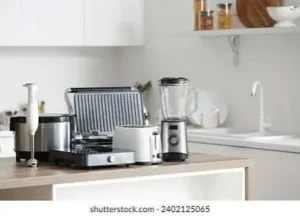
A blender can help prepare smoothies, sauces, soups and other blended foods. A food processor can support chopping, slicing, shredding and other preparation tasks.
An electric kettle can help when you frequently need hot water. A microwave can also be useful for reheating meals and handling certain quick cooking tasks.
Choose appliances based on the foods you regularly prepare rather than buying every available gadget.
How to Choose the Best Kitchen Tools
Choosing kitchen equipment becomes easier when you consider function before appearance. A beautiful tool has little value if it does not match your cooking routine.
First, think about what you cook most often. Someone who prepares soups and curries may need different cookware from someone who mainly bakes bread and desserts.
Next, consider durability, comfort, cleaning, storage space and frequency of use. These factors can help you spend your kitchen budget more wisely.
You should also measure your available cabinet and counter space before buying large equipment. A useful tool should improve your kitchen rather than make it difficult to move or work.
How to Build a Kitchen on a Budget
You do not need to purchase everything at once. Start with the tools that help you prepare and cook your most common meals.
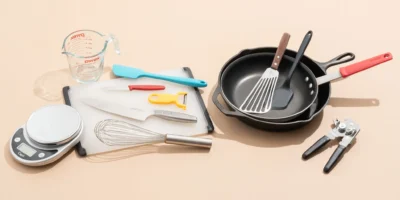
A basic kitchen can begin with a cutting board, reliable cookware, mixing bowls, measuring tools, a few cooking utensils and suitable storage containers. You can add specialized equipment after you understand your cooking habits.
The best home cooking tool essentials are the items that you actually use. Spending more on a durable everyday tool can make more sense than buying several inexpensive gadgets that remain unused.
How to Keep Cooking Tools Clean
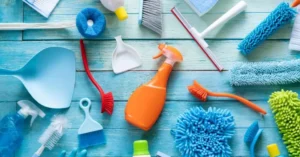
Clean tools help create a safer cooking environment. The FDA recommends washing kitchen tools, cutting boards, countertops and other food-contact surfaces with hot, soapy water.
Wash tools after preparing each food item when appropriate, especially after handling raw foods. Keep raw meat, poultry, seafood and eggs separate from ready-to-eat foods to reduce cross-contamination risks.
Cutting boards also need regular attention. The USDA recommends cleaning them after use and replacing boards when deep grooves or excessive wear make them difficult to clean.
Common Mistakes When Buying Cooking Tools
One common mistake is buying too many specialized gadgets. Many tools perform only one task, while a few versatile items can handle several jobs.
Another mistake is ignoring comfort and quality. A tool that feels uncomfortable, breaks easily or becomes difficult to clean may cost more in the long run.
Some people also forget about storage space. Always consider where you will keep a tool before bringing it into your kitchen.
A Simple Kitchen Essentials Checklist
If you are starting a kitchen from scratch, focus on the following categories first:
| Category | Starter Essentials |
|---|---|
| Preparation | Cutting board, knives, peeler, grater |
| Measuring | Measuring cups, measuring spoons, kitchen scale |
| Mixing | Mixing bowls, whisk |
| Cooking | Frying pan, saucepan, large pot |
| Utensils | Spatula, wooden spoon, tongs, ladle |
| Baking | Baking tray, cooling rack |
| Safety | Oven mitts, food thermometer |
| Storage | Airtight containers, reusable storage bags |
| Cleaning | Dish brush, sponge, kitchen cloths |
This approach keeps your kitchen practical without filling every cabinet with unnecessary equipment.
Conclusion
A functional kitchen depends more on useful equipment than on the number of gadgets you own. The right tools can make preparation easier, improve organization and support safer cooking habits.
The most useful home cooking tool essentials include dependable preparation tools, versatile cookware, basic utensils, measuring equipment, food-storage containers and safety items.
Start with the tools you need every week and expand your collection gradually. A simple, well-planned kitchen can support hundreds of meals without requiring an oversized collection of gadgets.
Frequently Asked Question
What are the most important kitchen tools for beginners?
Beginners should start with a cutting board, basic knives, frying pan, saucepan, large pot, mixing bowls, measuring tools, spatula, spoon, tongs and food-storage containers.
How many cooking tools does a home kitchen need?
There is no fixed number because every kitchen has different needs. Start with versatile tools and add specialized equipment when your cooking habits require it.
Are measuring tools necessary for home cooking?
Measuring tools are useful for following recipes consistently. They become especially important for baking and recipes that depend on accurate ingredient ratios.
Is a food thermometer necessary?
A food thermometer is a useful safety tool because appearance alone cannot always show whether food has reached a safe internal temperature.
How should cutting boards be cleaned?
Wash cutting boards with hot, soapy water after use and allow them to dry properly. Use separate boards for raw foods and ready-to-eat foods when possible.
What kitchen tools should I buy first?
Start with tools that support daily tasks such as cutting, measuring, cooking, mixing, serving and storing food. Add specialized gadgets only when you regularly need them.
Can basic cooking tools save money?
Yes. Basic tools can help you prepare more meals at home and reduce the need for unnecessary specialty equipment. Choosing durable and versatile items can also reduce repeated purchases.