
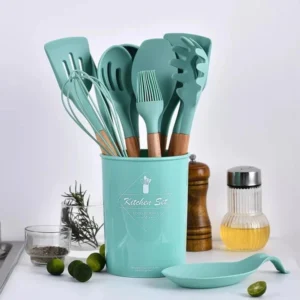
Cooking becomes much easier when you have the right tools for everyday tasks. Silicone kitchen gadgets have become popular because they combine flexibility, heat resistance, easy cleaning and gentle contact with cookware.
From spatulas and tongs to baking mats and food-storage accessories, silicone can serve many purposes in a modern kitchen. The material is especially useful for people who want practical tools that are comfortable to handle and suitable for different cooking tasks.
What Are Silicone Kitchen Gadgets?
Silicone kitchen gadgets are cooking, baking, preparation or storage tools made partly or completely from silicone. Silicone is a flexible material that can handle a wide range of temperatures, although the exact temperature limit depends on the product and manufacturer.
Unlike some hard utensils, silicone tools can bend around bowls, pans and containers. This flexibility helps users scrape batter, stir sauces, lift food and reach corners without putting unnecessary pressure on cookware.
The FDA explains that materials that come into contact with food are evaluated according to their intended use and conditions. Therefore, shoppers should choose products specifically made for food contact rather than assuming every silicone product is suitable for cooking.
Why Are Silicone Kitchen Gadgets Popular?
One major reason for the popularity of silicone is its balance between flexibility and durability. A good silicone utensil can bend when needed but still provide enough strength for normal cooking tasks.
Silicone also works well with many nonstick cooking surfaces because its soft edge is less likely to scratch the coating when compared with hard metal utensils. KitchenAid also notes that its silicone tools are designed for use with nonstick pans.
Another advantage is easy maintenance. Many silicone products are dishwasher-safe, although users should always check the manufacturer’s instructions because handles and other materials can change the cleaning requirements.
Types of Silicone Kitchen Gadgets
The market includes many silicone tools and each one solves a different kitchen problem. Instead of buying a large collection, it is better to select gadgets that match your cooking habits.
| Silicone Gadget | Main Use | Useful For |
|---|---|---|
| Silicone Spatula | Mixing and scraping | Batter, sauces, baking |
| Silicone Turner | Flipping food | Eggs, pancakes, vegetables |
| Silicone Tongs | Gripping food | Cooking and serving |
| Silicone Whisk | Mixing ingredients | Eggs, sauces, batter |
| Silicone Baking Mat | Nonstick baking surface | Cookies and pastries |
| Silicone Oven Mitt | Handling hot cookware | Baking and cooking |
| Silicone Brush | Applying liquids | Oil, butter, sauces |
| Silicone Food Containers | Food storage | Leftovers and meal preparation |
| Silicone Lids | Covering containers | Refrigeration and storage |
Silicone Spatulas
A silicone spatula is one of the most useful tools for everyday cooking. Its flexible edge can follow the shape of a bowl or pan, allowing you to scrape mixtures and sauces more effectively.
It also works well for folding ingredients during baking. A sturdy handle and flexible head can make the tool easier to control when working with thick mixtures.
Silicone Tongs
Silicone-tipped tongs provide a firm grip while helping protect cookware surfaces. They can be useful for turning vegetables, serving pasta, moving food in a pan and handling larger ingredients.
Look for tongs with a locking mechanism if you want easier storage. A comfortable grip also matters because slippery handles can make cooking less convenient.
Silicone Baking Mats
Silicone baking mats provide a reusable surface for baking. They can reduce the need for disposable parchment paper and help prevent baked foods from sticking when used correctly.
However, baking mats should always be used according to their temperature rating. The FDA’s food-contact guidance shows that conditions such as high-temperature cooking matter when evaluating materials intended to contact food.
Heat Resistance of Silicone Kitchen Tools
Heat resistance is one of the most important features of silicone cookware accessories. However, not all silicone products have the same temperature rating, so shoppers should read the manufacturer’s instructions before using a tool at high temperatures.
For example, KitchenAid states that its silicone tools are heat resistant up to 450°F (232°C), while also advising users not to leave silicone utensils in a hot pan or expose them directly to a stovetop flame or heating element.
This distinction is important because heat resistance does not mean unlimited heat resistance. A product designed for normal cooking may still become damaged if it touches an open flame or exceeds its stated temperature limit.
Are Silicone Kitchen Gadgets Safe?
Food-contact safety depends on the material, manufacturing process, intended use and conditions of use. Choose silicone products clearly intended for food preparation and follow their temperature and care instructions.
The FDA states that food-contact substances must meet applicable safety requirements for their intended use, including consideration of how substances may migrate into food.
It is also important to keep kitchen tools clean. The FDA Food Code emphasizes cleaning food-contact surfaces and utensils to help prevent contamination and the buildup of microorganisms.
Benefits of Silicone Kitchen Gadgets
The biggest benefit of silicone is versatility. Silicone kitchen gadgets can support cooking, baking, serving and storage without requiring a completely different material for every task.
Silicone is also flexible and comfortable for many everyday jobs. A soft spatula can scrape a bowl efficiently, while silicone-tipped tongs can provide a useful grip without relying on a hard metal tip.
Another benefit is durability when the product is properly designed and maintained. Silicone can resist many everyday kitchen conditions, but its lifespan still depends on quality, temperature exposure, cleaning and frequency of use.
Silicone vs. Metal Kitchen Tools
Metal utensils are strong and excellent for many cooking tasks, but they can be unsuitable for some nonstick cookware. Silicone provides a softer alternative when you want to reduce the chance of scratching a cooking surface.
The two materials can also work together. Some silicone utensils contain a rigid internal core that gives them strength while the silicone exterior provides flexibility and a softer contact surface.
| Feature | Silicone | Metal |
|---|---|---|
| Flexibility | High | Low |
| Nonstick cookware | Generally suitable | Requires more care |
| Heat resistance | High, depending on product | Usually very high |
| Weight | Usually lighter | Often heavier |
| Cleaning | Usually easy | Usually easy |
| Best Use | Flexible cooking and baking | Heavy-duty cooking |
How to Choose the Best Silicone Kitchen Gadgets
When shopping for silicone kitchen gadgets, start with the task you want the tool to perform. A smaller collection of useful tools can be more practical than buying a large set filled with gadgets you rarely use.
Material quality should also receive attention. Look for clear information about food contact, temperature limits, cleaning instructions and construction.
The design matters just as much as the silicone itself. A comfortable handle, strong connection between parts, useful shape and smooth surface can make a simple kitchen tool much easier to use.
Check the Temperature Rating
Always check the maximum temperature before using a silicone tool with an oven, pan, microwave or other heat source. Never assume that two silicone products have identical heat limits.
Consider One-Piece Construction
One-piece designs can reduce gaps where food particles may collect. Food Network also recommends looking for silicone tools with flat surfaces and fewer small crevices because these features can make cleaning easier.
Look at the Handle
A silicone head may be excellent, but a weak handle can make the entire tool uncomfortable. Choose a handle that feels secure and provides enough control for the type of cooking you normally do.
How to Clean Silicone Kitchen Gadgets
Proper cleaning helps keep silicone kitchen gadgets in good condition. After cooking, wash the tool according to the manufacturer’s instructions and remove food residue before storing it.
Many silicone tools can go into a dishwasher, but this feature is not universal. KitchenAid recommends checking the specific product instructions and notes that some wood-handled silicone tools should not go into the dishwasher.
For handwashing, warm water and mild detergent are generally suitable for many silicone utensils. Avoid harsh cleaning tools that could damage the surface and dry the product thoroughly before storage.
How to Store Silicone Kitchen Tools
Storage becomes easier when tools have hanging holes, stackable designs or compact shapes. Keeping utensils in a dry, well-ventilated area can also help them remain clean between uses.
Avoid storing damp tools in tightly closed spaces. If several utensils are placed together, make sure they are clean and dry before putting them into a drawer or container.
Common Mistakes to Avoid
One common mistake is using a silicone tool above its recommended temperature. Always follow the manufacturer’s temperature limit and keep silicone away from direct flames and heating elements.
Another mistake is assuming that every silicone product is dishwasher-safe. A silicone part may tolerate the dishwasher while a wooden or other attached component may require handwashing.
It is also wise to replace tools that become visibly damaged. Food Network recommends discarding silicone tools that become worn, thin, ripped or otherwise degraded.
Are Silicone Kitchen Gadgets Worth It?
For many kitchens, silicone tools can be a practical investment because they combine flexibility, easy cleaning and useful heat resistance. They are particularly helpful for baking, cooking with nonstick cookware and handling foods that require gentle utensils.
However, buying every available gadget is unnecessary. The best approach is to choose durable tools that solve real cooking problems and match your kitchen routine.
A good starting collection might include a flexible spatula, turner, pair of tongs, whisk, baking brush and oven mitt. You can add specialized products later when you discover a genuine need for them.
Silicone Kitchen Gadgets for Baking
Bakers can benefit from silicone tools because many baking tasks require flexible and nonstick surfaces. Spatulas help scrape mixing bowls, while baking mats can provide a reusable surface for cookies and other baked foods.
Silicone brushes can also help spread butter, oil or sauces more evenly. Because baking involves specific temperatures, always check the product’s maximum heat rating before placing silicone accessories inside an oven.
Silicone Kitchen Gadgets for Everyday Cooking
Everyday cooking often requires tools that can handle repeated stirring, flipping, mixing and serving. Silicone kitchen gadgets can make these tasks easier because many designs combine flexibility with a comfortable grip.
A silicone turner can help flip delicate foods, while a silicone spoon can stir sauces or soups. Tongs can handle larger ingredients and a whisk can help combine eggs, sauces and lighter mixtures.
The Future of Silicone Kitchen Tools
Kitchen tools continue to focus on convenience, multipurpose design, easy cleaning and efficient storage. Modern silicone products often combine flexible heads with stronger internal structures to improve control without losing the benefits of a soft exterior.
Professional cooking advice also increasingly values durable, multipurpose kitchen equipment instead of unnecessary single-purpose gadgets. Recent culinary recommendations have highlighted silicone utensils as useful alternatives to some hard plastic tools, particularly when heat resistance and cookware protection matter.
Conclusion
Silicone kitchen gadgets can be useful additions to almost any modern kitchen when you choose them carefully. Their flexibility, cookware-friendly surfaces, easy maintenance and heat resistance make them suitable for many cooking and baking tasks.
The key is to focus on quality rather than quantity. Choose food-contact products from reliable manufacturers, check temperature ratings, follow cleaning instructions and replace tools when they show signs of damage.
When used correctly, silicone tools can make everyday cooking simpler without filling your kitchen with unnecessary gadgets.
Frequently Asked Questions
Are silicone kitchen gadgets safe for cooking?
Food-contact silicone products designed for cooking can be suitable when used according to their intended purpose and temperature limits. Always follow the manufacturer’s instructions and choose products specifically intended for food contact.
Can silicone utensils be used with nonstick pans?
Yes, silicone utensils are generally suitable for nonstick cookware because their soft surfaces are less likely to scratch the cooking surface. Still, avoid dragging any utensil aggressively across damaged or delicate coatings.
Can silicone kitchen gadgets go in the dishwasher?
Many silicone products are dishwasher-safe, but this depends on the individual product. Check the manufacturer’s instructions, especially when the tool includes wood, metal or another material.
Does silicone melt in a hot pan?
Silicone has good heat resistance, but it can still become damaged when exposed to temperatures above its rating. Do not leave silicone utensils in hot cookware or expose them directly to flames.
How long do silicone kitchen tools last?
Their lifespan depends on product quality, frequency of use, cleaning methods and heat exposure. Replace a silicone tool when it becomes cracked, torn, thin, sticky or otherwise damaged.
What silicone kitchen gadgets should a beginner buy?
A beginner can start with a spatula, turner, tongs, whisk, baking brush and oven mitt. These tools cover many common cooking and baking tasks without creating unnecessary clutter.


