
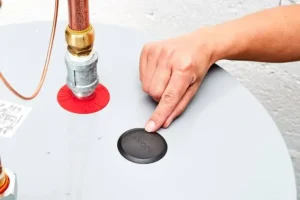
A noisy water heater can be surprising. You may hear popping, rumbling, banging, sizzling, or humming sounds during daily use. These sounds often make homeowners wonder if the unit is about to fail.
If you are asking “why is my water heater making noise,” you are not alone. In many cases, the noise comes from sediment buildup, water pressure, or worn parts. The good news is that many of these problems have simple solutions when you catch them early.
This complete guide explains the common reasons behind water heater noises, how to fix them and when you should call a professional. By understanding these sounds, you can protect your water heater, improve efficiency and avoid costly repairs.
Why is My Water Heater Making Noise?
Many homeowners search “why is my water heater making noise” after hearing unusual sounds from the tank. Different noises often point to different problems.
Common causes include:
| Noise Type | Most Likely Cause | Serious Level |
|---|---|---|
| Popping | Sediment buildup | Medium |
| Rumbling | Mineral deposits | Medium |
| Banging | Water hammer or loose pipes | High |
| Hissing | Water leak or overheating | High |
| Humming | Heating element vibration | Low |
| Whistling | High water pressure | Medium |
| Crackling | Condensation or mineral buildup | Low |
Knowing the exact sound helps you identify the problem faster.
How a Water Heater Normally Works
A water heater stores cold water inside a tank. A gas burner or electric heating element warms the water until it reaches the set temperature.
Hot water rises to the top of the tank. When you open a faucet, hot water flows out while fresh cold water enters the bottom.
A healthy water heater makes very little noise. Small clicking sounds during heating are normal. Loud or unusual noises usually mean something needs attention.
Sediment Buildup Is the Most Common Cause
If you keep wondering why is my water heater making noise, sediment buildup is usually the answer.
Hard water contains minerals like calcium and magnesium. These minerals settle at the bottom of the tank over time.
When the burner heats the tank, trapped water under the sediment boils. Steam bubbles push through the deposits and create loud popping sounds.
Sediment buildup can:
- Reduce heating efficiency
- Increase energy bills
- Damage the tank
- Shorten water heater life
- Cause overheating
Flushing the tank once or twice each year helps prevent this issue.
Why Does My Water Heater Make Popping Sounds?
Popping is the most common water heater noise.
The sound happens because trapped water turns into steam beneath layers of mineral deposits. As the steam escapes, it creates popping or crackling noises.
Signs include:
- Noise during heating
- Higher utility bills
- Less hot water
- Longer heating time
A professional flush usually removes most sediment.
What Causes Rumbling Sounds?
Rumbling sounds often develop after months or years of mineral buildup.
The sediment hardens into thick layers. Water bubbles move beneath the deposits, causing vibrations that produce deep rumbling noises.
Ignoring rumbling may lead to tank overheating and early failure.
Why Does My Water Heatere Make Banging Sounds?
Banging sounds are louder than popping noises.
Several problems may cause banging.
Water Hammer
Water hammer occurs when water flow suddenly stops. Pressure creates a shock wave inside the plumbing.
Installing a water hammer arrestor often solves this issue.
Loose Pipes
Loose plumbing pipes can hit walls or framing during water movement.
Securing the pipes usually removes the banging sound.
Expanding Tank
Metal naturally expands as it heats.
Some expansion sounds are completely normal.
Why Is My Water Heater Hissing?
If you ask “why is my water heater making noise” because you hear hissing, inspect the heater immediately.
Possible causes include:
| Cause | Description | Action |
|---|---|---|
| Small leak | Water contacts hot surfaces | Repair leak |
| Overheating | Water boils excessively | Check thermostat |
| Pressure issue | High tank pressure | Inspect relief valve |
Never ignore continuous hissing.
It may indicate overheating or a dangerous pressure problem.
Why Does an Electric Water Heater Hum?
Electric water heaters often make humming sounds.
The heating element sometimes vibrates while operating.
Loose heating elements create louder humming.
Tightening or replacing the heating element usually solves the problem.
Why Does a Gas Water Heater Make Noise?
Gas water heaters create different sounds than electric models.
Common causes include:
- Burner dirt
- Sediment buildup
- Delayed ignition
- Gas pressure issues
A dirty burner can make roaring or rumbling sounds.
Annual maintenance keeps gas burners working properly.
Whistling or Screeching Sounds
Whistling often comes from restricted water flow.
Possible causes include:
- Partially closed valves
- High water pressure
- Faulty pressure relief valve
Checking the shut-off valves and pressure regulator may solve the problem.
Crackling Sounds During Heating
Crackling usually sounds similar to frying food.
This often happens when condensation drips onto the hot burner.
Minor crackling after installation is normal.
Continuous crackling may indicate sediment buildup.
Does Hard Water Cause Water Heater Noise?
Yes.
Hard water is one of the biggest reasons homeowners search “why is my water heater making noise.”
Minerals collect inside the tank every day.
Areas with hard water experience:
| Hard Water Effect | Result |
|---|---|
| Mineral buildup | More noise |
| Lower efficiency | Higher bills |
| Heater overheating | More repairs |
| Shorter lifespan | Earlier replacement |
Installing a water softener greatly reduces mineral buildup.
Can High Water Pressure Make a Water Heater Noisy?
Yes.
Excessive water pressure stresses both the tank and plumbing.
Symptoms include:
- Whistling
- Banging
- Vibrating pipes
- Leaking relief valve
Most homes perform best between 40 and 60 PSI.
Is a Noisy Water Heater Dangerous?
Not always.
Many noises simply indicate maintenance is overdue.
However, some sounds require immediate attention.
Call a professional if you notice:
- Gas smell
- Steam escaping
- Water leaking
- Loud banging
- Pressure relief valve releasing water
- Burning smell
Safety should always come first.
How to Fix a Noisy Water Heater
Several simple maintenance steps reduce noise.
Flush the Tank
Drain several gallons to remove sediment.
Annual flushing keeps the tank clean.
Check Temprature
Set the thermostat around 120°F (49°C).
Lower temperatures reduce overheating.
Inspect Heating Elements
Electric heaters need tight heating elements.
Replace damaged ones.
Check Water Pressure
Use a pressure gauge.
Install a pressure regulator if pressure stays high.
Replace the Anode Rod
The anode rod prevents rust.
Replacing it extends tank life.
Prevent Water Heater Noise
Preventive maintenance saves money.
Follow these simple habits.
| Maintenance Task | Frequency |
|---|---|
| Flush tank | Every year |
| Inspect pressure valve | Every year |
| Check thermostat | Every year |
| Replace anode rod | Every 3–5 years |
| Professional inspection | Every year |
Routine maintenance keeps the heater quiet and efficient.
When Should You Replace Your Water Heater?
Sometimes repairs are no longer worth the cost.
Replace the heater if:
- It is over 10–15 years old.
- The tank leaks.
- Rust appears in hot water.
- Repairs become frequent.
- Heating performance declines.
A new energy-efficient model lowers utility costs.
Signs Your Water Heater Needs Professional Repair
While some maintenance is simple, certain problems require expert help.
Call a plumber if you notice:
- Constant loud noises
- Water leaking from the tank
- Rust-colored water
- No hot water
- Burning odors
- Gas leaks
- Pressure valve releasing water
Never attempt gas repairs without professional training.
Conclusion
If you have been asking “why is my water heater making noise,” the answer usually depends on the type of sound you hear. Popping and rumbling often point to sediment buildup. Hissing may indicate leaks or overheating, while banging can result from water pressure or loose pipes. Humming is commonly caused by electric heating elements.
Regular maintenance is the best way to prevent noisy operation. Flushing the tank, checking water pressure and replacing worn parts can extend the life of your water heater. If the sounds become louder or you notice leaks or steam, contact a qualified technician immediately to prevent further damage.
Frequently Asked Question
Why is my water heater making noise like popcorn?
Popping sounds usually come from sediment trapped at the bottom of the tank. Steam bubbles escape through the deposits and create the popping noise.
Is it safe if my water heater makes rumbling sounds?
Rumbling often means mineral buildup. The heater may still work, but cleaning the tank soon helps prevent damage.
How often should I flush my water heater?
Most experts recommend flushing the tank once every year. Homes with hard water may need flushing every six months.
Why does my electric water heater hum?
A loose heating element often vibrates during operation. Tightening or replacing the element usually fixes the problem.
Should I replace a noisy water heater?
Not always. Many noisy water heaters only need maintenance. However, if the tank leaks, rusts, or is over 12 years old, replacement may be the better option.


