
Introduction
A 24-inch electric range is a practical solution for homeowners who need a compact cooking appliance without sacrificing performance. Many apartments, condos and small kitchens benefit from this space-saving design. It offers reliable cooking power while fitting comfortably into even the most limited kitchen layouts.
Modern consumers seek appliances that strike a balance between efficiency, convenience and style. A 24-inch electric range delivers all three benefits in a compact package. Manufacturers now include advanced features that improve cooking results and reduce energy waste.
This guide explains everything you need to know about choosing the right electric range. You will learn about features, benefits, sizes, costs, installation, maintenance and buying tips.
What Is a 24-Inch Electric Range?
A 24-inch electric range is a cooking appliance that combines a cooktop and an oven into one unit. The appliance measures approximately 24 inches wide, making it smaller than standard 30-inch models.
These ranges use electricity to power both the oven and surface burners. They provide consistent heating and require no gas connection. Many homeowners choose them because they are simple to install and easy to operate.
The compact size makes them ideal for:
- Apartments
- Small homes
- Tiny houses
- Condominiums
- Rental properties
- Secondary kitchens
Despite the smaller footprint, these appliances still provide excellent cooking performance.
Benefits of Choosing a 24-Inch Electric Range
The popularity of compact kitchen appliances continues to grow. Many homeowners now prefer smaller yet highly efficient cooking solutions.
Space-Saving Design
The biggest advantage is its compact size. A 24-inch electric range fits comfortably into kitchens where every inch matters. It helps maximize available counter and storage space.
Easy Installation
Electric ranges usually require only a dedicated electrical connection. They do not need gas lines, making installation simpler and safer.
Energy Efficiency
Modern electric ranges use advanced heating technology. They distribute heat evenly and reduce unnecessary energy consumption.
Stylish Appearance
Manufacturers offer sleek finishes that complement modern kitchen designs. Stainless steel models remain especially popular.
Reliable Cooking Performance
Electric ovens maintain stable temperatures. This consistency helps achieve better baking and roasting results.
Main Features to Look For
Not every electric range offers the same features. Understanding key specifications helps buyers make informed decisions.
| Feature | Why It Matters |
|---|---|
| Convection Oven | Promotes even heat circulation |
| Ceramic Cooktop | Easy to clean and modern looking |
| Multiple Burner Sizes | Accommodates different cookware |
| Digital Controls | Improves precision and convenience |
| Self-Cleaning Function | Reduces maintenance effort |
| Safety Lock | Protects children and prevents accidents |
Choosing the right combination of features improves your overall cooking experience.
Types of Electric Cooktops
Electric ranges come with different cooktop styles. Each option offers unique benefits.
Coil Burners
Traditional coil burners remain affordable and durable. They are easy to replace and often cost less than smooth-top alternatives.
Smooth Glass Ceramic Cooktops
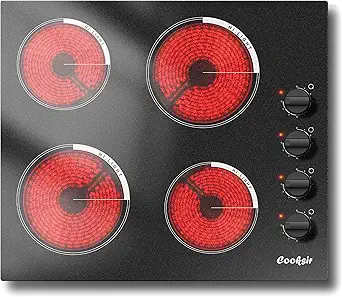
Many homeowners prefer ceramic surfaces because they create a modern appearance. Cleaning becomes much easier since food particles cannot fall beneath the burners.
Radiant Heating Elements
Radiant cooktops heat quickly and distribute warmth efficiently. They are commonly found in premium models.
The best option depends on your budget and cooking habits.
Oven Capacity and Cooking Performance
Although compact, many 24-inch models offer impressive oven space. Most units provide between 2.5 and 3.0 cubic feet of cooking capacity.
This size can handle:
- Family meals
- Roasted chicken
- Casseroles
- Pizzas
- Baking trays
The oven’s heating system plays an important role in performance. Convection technology improves airflow and promotes even cooking.
Typical Oven Capacity Comparison:
| Range Width | Average Capacity |
|---|---|
| 20 Inches | 2.0–2.3 Cu. Ft. |
| 24 Inches | 2.5–3.0 Cu. Ft. |
| 30 Inches | 4.5–6.0 Cu. Ft. |
A 24-inch electric range offers an excellent balance between size and functionality.
Energy Efficiency Considerations
Energy efficiency affects both operating costs and environmental impact. Modern electric ranges include several technologies that help conserve energy.
Insulated oven cavities retain heat more effectively. Improved heating elements also reduce energy loss during cooking.
Consumers should look for:
- Energy-saving modes
- Rapid preheating systems
- Efficient convection fans
- Quality insulation
These features help lower electricity bills over time.
Best Kitchen Layouts for a 24-Inch Electric Range
Compact electric ranges fit many kitchen designs. They work particularly well in smaller spaces where larger appliances may feel overwhelming.
Apartment Kitchens
Apartment residents often face space limitations. A smaller range leaves room for additional storage and preparation areas.
Tiny Homes
Tiny homes require appliances that maximize functionality while minimizing space usage.
Rental Properties
Property owners often install these units because they combine affordability and reliability.
Secondary Kitchens
Many homeowners use a compact range in guest suites or basement kitchens.
A 24-inch electric range adapts well to these environments while maintaining excellent cooking capabilities.
Installation Requirements
Before purchasing a range, verify installation requirements.
Most electric ranges require:
| Requirement | Details |
|---|---|
| Electrical Supply | 220–240 Volt Circuit |
| Dedicated Breaker | Recommended |
| Proper Ventilation | Improves air quality |
| Level Flooring | Ensures stability |
| Adequate Clearance | Prevents overheating |
Professional installation ensures safety and compliance with local electrical codes.
Cleaning and Maintenance Tips
Proper maintenance extends appliance life and improves performance.
Clean After Each Use
Wiping surfaces immediately prevents stubborn stains from forming.
Avoid Harsh Chemicals
Gentle cleaners protect glass and stainless steel finishes.
Check Door Seals
Damaged seals allow heat to escape and reduce efficiency.
Inspect Heating Elements
Regular inspection helps identify potential issues before they become costly repairs.
Consistent maintenance keeps your range operating at peak performance.
Common Problems and Solutions
Like any appliance, electric ranges may occasionally experience issues.
| Problem | Possible Cause | Solution |
|---|---|---|
| Burner Not Heating | Faulty Element | Replace Burner |
| Oven Uneven Heating | Damaged Sensor | Inspect Thermostat |
| Control Panel Issues | Electrical Fault | Professional Repair |
| Slow Heating | Aging Components | Component Replacement |
| Oven Door Not Closing | Worn Hinges | Replace Hinges |
Early troubleshooting often prevents larger repair expenses.
How Much Does a 24-Inch Electric Range Cost?
Prices vary based on brand, features and build quality.
Budget Models
Basic units generally range from $500 to $800. They offer essential cooking functions without advanced technology.
Mid-Range Models
These ranges typically cost between $800 and $1,500. They include better materials and additional convenience features.
Premium Models
High-end units may exceed $2,000. They often feature convection systems, advanced controls and premium finishes.
The ideal choice depends on your cooking needs and budget.
Factors to Consider Before Buying
Selecting the right appliance requires careful evaluation.
Kitchen Measurements
Always measure available space before purchasing.
Cooking Habits
Frequent bakers may benefit from convection ovens and larger capacities.
Household Size
Smaller households often find compact ranges perfectly adequate.
Budget
Determine how much you are willing to spend before shopping.
Long-Term Reliability
Research manufacturer warranties and customer satisfaction ratings.
These considerations help ensure a successful purchase.
Comparing Electric and Gas Ranges
Many buyers compare electric and gas cooking appliances before making a decision.
| Feature | Electric Range | Gas Range |
|---|---|---|
| Installation | Easier | Requires Gas Line |
| Baking Performance | Excellent | Good |
| Temperature Stability | Very Consistent | Moderate |
| Maintenance | Easier | More Complex |
| Safety | No Open Flame | Open Flame Present |
Many homeowners choose electric models because of their simplicity and consistent cooking results.
Why Compact Appliances Are Becoming More Popular
Housing trends continue to shift toward smaller living spaces. Urban apartments and compact homes require appliances that use space efficiently. Manufacturers respond by developing advanced compact appliances. Today’s compact ranges offer features that were once limited to larger models.
Consumers no longer need to sacrifice performance for size. A modern 24-inch electric range provides many of the same capabilities found in full-size appliances.
This trend continues to drive demand across residential markets.
Choosing the Right Brand
Several manufacturers produce quality compact electric ranges. Buyers should evaluate reputation, warranty coverage, service availability and customer reviews.
Key considerations include:
- Reliability
- Energy efficiency
- Feature set
- Customer support
- Replacement part availability
A trusted manufacturer often provides better long-term value and ownership satisfaction.
Frequently Asked Questions
Is a 24-inch electric range large enough for a family?
Yes. Most models provide enough oven capacity for small to medium-sized families. They can easily handle daily cooking tasks and family meals.
How much electricity does a 24-inch electric range use?
Usage depends on cooking frequency and model efficiency. Most modern units are designed to minimize energy consumption.
Can I install a 24-inch electric range myself?
Electrical installation should usually be performed by a qualified professional. This ensures safety and compliance with local regulations.
Are electric ranges better for baking?
Electric ovens often provide more consistent temperatures than gas ovens. This consistency helps achieve excellent baking results.
How long does a 24-inch electric range last?
With proper maintenance, many units last between 10 and 15 years or longer.
Is a convection oven worth it?
Yes. Convection technology improves airflow and promotes more even cooking and baking.
Conclusion
A 24-inch electric range offers the perfect combination of efficiency, functionality and compact design. It serves homeowners who need dependable cooking performance while conserving valuable kitchen space.
Modern models include advanced features such as convection cooking, digital controls, ceramic cooktops and energy-saving technologies. These improvements make compact ranges more capable than ever before.
Before purchasing, evaluate your kitchen size, cooking habits, desired features and budget. Taking time to compare options ensures you select the appliance that best meets your needs.
Whether you live in an apartment, condo, tiny home or rental property, a 24-inch electric range can provide years of reliable and efficient cooking performance.


