
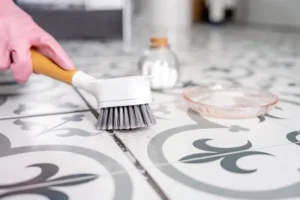
Clean floors make a home look fresh, but cleaning alone may not remove enough germs from busy surfaces. Learning how to sanitize floors can help reduce germs, dirt and unwanted bacteria in areas that receive heavy foot traffic.
Floors collect dust, food particles, spills, pet messes and germs throughout the day. A proper sanitizing routine can keep these surfaces cleaner while also protecting the flooring material from unnecessary damage.
This guide explains the difference between cleaning, sanitizing and disinfecting floors. It also covers suitable products, simple methods, safety tips and floor-specific care.
What Does It Mean to Sanitize a Floor?
Sanitizing means reducing germs on a surface to a level considered safe according to the product’s intended use. Sanitizing does not always mean killing every type of microorganism on the floor.
Cleaning removes visible dirt, dust, grease and other debris from a surface. Sanitizing then reduces certain germs, while disinfecting uses products designed to destroy or inactivate specific microorganisms.
The EPA explains that disinfectant labels include important directions about where a product can be used, how to apply it and how long it must remain wet.
Cleaning vs. Sanitizing vs. Disinfecting Floors
These three terms sound similar, but they describe different cleaning actions. Understanding them helps you choose the right method for your home.
| Method | Main Purpose | Typical Use |
|---|---|---|
| Cleaning | Removes dirt and debris | Daily floor care |
| Sanitizing | Reduces certain germs | Kitchens and high-touch areas |
| Disinfecting | Kills or inactivates specified germs | Illness or contamination concerns |
Regular cleaning should usually come first because dirt can interfere with some sanitizing and disinfecting products. Always check the product label because contact times and application instructions vary between products.
How to Sanitize Floors Properly
The best approach starts with removing loose dirt before applying a sanitizer. Follow these simple steps to create a more effective and safer floor-cleaning routine.
1. Remove Dust and Loose Dirt
Start by sweeping or vacuuming the entire floor. Pay extra attention to corners, edges, areas beneath furniture and places where dirt collects.
Loose debris can spread during mopping and make the sanitizing process less effective. Removing it first also reduces the amount of soil that your mop needs to handle.
2. Clean Visible Spills and Soil
Use a suitable floor cleaner to remove grease, food residue, mud and other visible messes. Choose a cleaner that matches your flooring manufacturer’s recommendations.
Do not assume that a sanitizer can replace normal cleaning. Some products can clean and sanitize in one step, but you should only use them that way when the label specifically allows it.
3. Choose a Suitable Sanitizing Product
Select a product that specifically lists your floor type or hard surface among its approved uses. EPA guidance states that the label explains where and how a registered antimicrobial product can be used.
For example, some products are approved for hard, nonporous surfaces such as sealed flooring. Other products may have different instructions for porous materials.
Never choose a product simply because it claims to kill germs. Check the label for the correct surface, application method, dilution instructions and required contact time.
4. Prepare the Product Correctly
Some floor sanitizers come ready to use, while others require dilution with water. Measure concentrated products carefully instead of estimating the amount.
Using too much product does not automatically make your floor cleaner. Excess chemicals can leave residue, damage some finishes, or create unnecessary exposure.
5. Apply the Sanitizer Evenly
Use a clean mop, cloth, or other application method listed on the product label. Cover the floor evenly without flooding areas that can be damaged by excess moisture.
The surface needs enough product to meet the required contact time. EPA guidance explains that the surface should remain visibly wet for the specified contact time when the label requires it.
6. Allow the Required Contact Time
Contact time is one of the most important parts of sanitizing. It refers to how long the product must remain on the surface to work as directed.
Do not mop the product away immediately unless the label tells you to do so. Some products require only seconds, while others require several minutes.
EPA product information shows that contact times can vary significantly between products and microorganisms.
7. Rinse Only When Required
Some products require rinsing after use, while others do not. Always follow the directions for your specific product.
A rinse may be especially important when a product’s label requires it for a particular surface or use. Never create your own rinse rule when the manufacturer provides specific instructions.
8. Let the Floor Dry
Allow the floor to dry according to the product and flooring instructions. Keep children and pets away from wet floors when the product label recommends restricting access.
Good ventilation can also help moisture evaporate faster. Avoid walking across a freshly treated floor until it is safe according to the product directions.
How to Sanitize Different Types of Floors
Not every floor reacts the same way to water or cleaning chemicals. The safest method depends on the material, finish and manufacturer’s care instructions.
How to Sanitize Tile Floors
Tile floors are common in kitchens, bathrooms, entryways and laundry rooms. Their hard surfaces make them relatively easy to clean and sanitize when the correct product is used.
Sweep or vacuum first, then clean away visible dirt. Apply a compatible sanitizer according to its label and allow the required contact time.
Pay attention to grout because it can hold dirt and moisture. Avoid soaking grout or surrounding materials unless the flooring manufacturer says they can handle excess moisture.
How to Sanitize Vinyl Floors
Vinyl flooring can tolerate routine damp cleaning, but excessive water and harsh chemicals may damage some products. Always check the manufacturer’s cleaning recommendations.
Remove dirt first and use a compatible floor cleaner or sanitizer. Avoid abrasive tools that can scratch the surface or reduce its appearance.
How to Sanitize Sealed Hardwood Floors
Sealed hardwood requires more care because excessive moisture can damage wood and its finish. Use only products approved for your particular hardwood flooring.
A lightly damp mop is often safer than a soaking wet mop. Never leave standing water on hardwood floors unless the flooring manufacturer specifically permits it.
How to Sanitize Laminate Floors
Laminate floors can look like wood, but their construction differs from solid hardwood. Excess moisture can enter seams and cause swelling or other damage.
Use a cleaning method recommended by the laminate manufacturer. Keep moisture controlled and dry the surface promptly after cleaning.
How to Sanitize Concrete Floors
Sealed concrete can generally handle more moisture than many wood-based floors. However, unsealed concrete is porous and may require a different cleaning approach.
Check whether the surface has a sealer before choosing a sanitizer. The EPA distinguishes between hard nonporous and porous surfaces when describing antimicrobial product use.
How to Sanitize Carpeted Floors
Carpet should not receive the same treatment as tile or sealed vinyl. CDC guidance recommends cleaning carpets and rugs with suitable cleaners and following manufacturer instructions.
For washable items, laundering can provide another cleaning option. Do not apply a hard-surface sanitizer to carpet unless the product label specifically approves that use.
Best Times to Sanitize Floors
You do not need to sanitize every floor every time you clean it. A regular cleaning schedule should match how the room is used and how much contamination it receives.
Kitchen floors may need extra attention because food particles, grease and spills can accumulate quickly. Entryways also collect outdoor dirt because shoes bring soil and other materials inside.
Bathrooms deserve regular cleaning because moisture and frequent use create conditions where unwanted microorganisms can accumulate. Floors around pet areas may also need additional attention when accidents occur.
During periods when someone in the household is sick, you may need to increase cleaning and sanitizing of frequently touched and contaminated surfaces. Follow current public-health guidance and product instructions for the situation.
How Often Should You Sanitize Floors?
There is no single schedule that works for every home. The right frequency depends on traffic, pets, children, spills, flooring type and household activities.
For many homes, regular sweeping or vacuuming and routine mopping provide the foundation of floor care. Sanitizing can then become a targeted step for kitchens, bathrooms, entryways and other areas that need extra attention.
High-traffic floors may need more frequent cleaning than bedrooms or lightly used rooms. Focus your extra sanitizing effort on areas that become dirty or contaminated more often.
Common Mistakes to Avoid When Sanitizing Floors
Many floor-cleaning mistakes happen because people believe more chemical means better cleaning. In reality, using the wrong product or method can damage floors without improving sanitation.
One common mistake involves skipping the cleaning stage. Dirt and organic material can interfere with some antimicrobial products, which is why labels may require visible soil removal first.
Another mistake involves ignoring contact time. If the label says the surface must remain wet for a specific period, wiping the product away too soon may prevent it from working as intended.
Mixing cleaning chemicals creates another serious risk. Never mix bleach with ammonia, acids, or other household cleaners unless the product instructions specifically allow the combination.
Using excessive water can also harm wood, laminate and other moisture-sensitive flooring. Always match the amount of moisture to the flooring manufacturer’s instructions.
Safety Tips for Floor Sanitizing
Read the entire product label before using a sanitizer or disinfectant. EPA guidance states that labels provide directions for proper use, application methods and safety information.
Wear protective equipment when the product label recommends it. Keep cleaning products away from children and pets and store them in their original containers.
Use good ventilation when appropriate, especially when a product has strong fumes. Never use a chemical product on a floor unless the label allows that surface and application method.
Natural Cleaning vs. Commercial Floor Sanitizers
Many homeowners prefer ingredients such as vinegar, baking soda, or soap for routine cleaning. These products can help with certain cleaning tasks, but cleaning performance is different from an approved sanitizing or disinfecting claim.
If your goal involves reducing specific germs, choose a product with directions that support the result you need. A homemade cleaner should not automatically be treated as a tested sanitizer.
Commercial products can provide clearer instructions for surface use and contact time. The label matters more than marketing claims when choosing a product for sanitation.
How to Keep Floors Cleaner Between Sanitizing Sessions
A good floor-care routine can reduce the amount of dirt that builds up between deeper cleaning sessions. Simple habits can also reduce how much work you need to do later.
Place mats near entrances to capture outdoor dirt before it spreads. Removing shoes indoors can also reduce the amount of soil carried across floors.
Clean spills as soon as possible instead of allowing them to dry. Keep cleaning tools themselves clean because a dirty mop can spread soil across an otherwise clean surface.
Wash or replace mop heads according to their care instructions. A clean mop is essential for preventing dirty water and old residue from being spread across the floor.
Frequently Asked Question
Can I sanitize floors with regular soap and water?
Soap and water can remove dirt and many contaminants, but they are not automatically a sanitizer. Use a product specifically labeled for sanitizing when germ reduction is your goal.
Is sanitizing the same as disinfecting?
No. Sanitizing reduces germs to a specified level, while disinfecting products are designed to destroy or inactivate specified microorganisms.
How long should sanitizer stay on a floor?
The answer depends on the product and the specific claim. Follow the contact time printed on the label rather than using a general time for every sanitizer.
Can I use bleach to sanitize floors?
Some bleach products may be labeled for particular hard-surface uses, but you must follow the product’s exact dilution and application directions. Never assume that every bleach product works the same way.
Should I rinse the floor after sanitizing?
Only rinse when the product label requires it. Some products allow the treated surface to air dry without rinsing, while others require a water rinse.
Can I sanitize hardwood floors?
You can only use a sanitizer when it is approved for your specific hardwood surface and finish. Excess water and unsuitable chemicals can damage hardwood.
Should I sanitize floors every day?
Daily sanitizing is not necessary for every home or every floor. Regular cleaning should form the foundation of your routine, with additional sanitation based on use and contamination.
Conclusion
Learning how to sanitize floors starts with understanding that cleaning and sanitizing serve different purposes. Remove dirt first, select a suitable product, follow the label, respect contact time and use only the amount of moisture your floor can safely handle.
The safest floor-care routine combines regular cleaning with targeted sanitizing when it makes sense. Always follow the flooring manufacturer’s instructions and the sanitizer’s label because surface compatibility and contact times vary.
A clean floor can improve the appearance of your home, while proper sanitation can help reduce unwanted germs on suitable surfaces. With the right products and simple habits, you can keep your floors fresh without using unnecessary chemicals or damaging the finish.


