
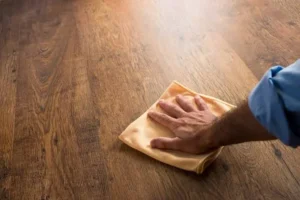
Floors collect dirt, dust, spills, bacteria and other germs every day. Regular cleaning removes visible mess, but disinfection can provide an extra level of protection when germs are a concern.
Learning how to disinfect floors correctly helps you clean different floor types without damaging their finish. The right method also helps you use disinfecting products safely and effectively.
The Centers for Disease Control and Prevention recommends cleaning surfaces before disinfecting them. Dirt and other impurities can make it harder for disinfectants to kill germs effectively.
This guide explains the safest way to disinfect floors, which products work best and what mistakes you should avoid. It also covers tile, vinyl, laminate, sealed wood and other common flooring materials.
What Does Floor Disinfection Mean?
Floor disinfection means using an appropriate disinfecting product to kill or inactivate harmful germs left on a surface. Cleaning and disinfecting are different steps, even though people often use these terms interchangeably.
Cleaning removes dirt, dust, grease and many germs from the floor. Disinfecting follows cleaning and targets germs that may remain on the surface.
The CDC notes that regular cleaning is enough in many household situations. Disinfection becomes more useful when someone is sick or when there is a higher risk of illness.
How to Disinfect Floors Safely
The best approach starts with the flooring material and the product label. Never assume that a disinfectant designed for one surface is safe for every type of floor.
Before starting, remove loose dirt and choose a product that specifically allows use on your floor. Always follow the manufacturer’s instructions for dilution, application, ventilation and contact time.
Step 1: Remove Furniture and Loose Items
Move lightweight furniture, toys, mats, shoes and other objects away from the floor. This gives you enough space to clean the entire surface without missing hidden areas.
Pay special attention to areas under tables, chairs, cabinets and beds. These places can collect dust and organic material that reduces the effectiveness of disinfecting products.
Step 2: Sweep or Vacuum the Floor
Start by sweeping or vacuuming the entire floor. Remove hair, dust, crumbs, dirt and other loose material before applying any disinfectant.
Do not skip this step when the floor looks dirty, because visible soil can interfere with effective disinfection. The CDC specifically recommends cleaning surfaces before applying disinfectants.
Step 3: Clean the Floor
Use a floor cleaner that matches your flooring material. Mop the floor according to the manufacturer’s instructions and remove greasy or sticky residue.
Allow the floor to become clean before starting the disinfection stage. A disinfectant works best when it can directly contact the surface instead of sitting on top of dirt.
Step 4: Apply the Correct Disinfectant
Choose an EPA-registered disinfectant when appropriate and confirm that the label lists your floor type or surface. EPA guidance explains that disinfectants have specific directions for where and how they can be used.
Apply the product evenly without creating unnecessary puddles. More disinfectant does not automatically mean better disinfection, so follow the label rather than guessing the amount.
Step 5: Follow the Contact Time
Contact time is one of the most important parts of proper disinfection. It tells you how long the surface must remain visibly wet for the product to work as directed.
Do not immediately wipe away the disinfectant unless the product label tells you to do so. EPA guidance states that the surface should remain wet for the complete contact time listed on the product label.
Step 6: Let the Floor Dry
After the required contact time, follow the label instructions for rinsing or air drying. Keep children and pets away from the wet floor when the product label requires restricted access.
Good ventilation can also improve comfort while you use household disinfectants. Open doors or windows when appropriate and follow all safety instructions on the product.
Best Disinfecting Methods for Different Floors
Not every floor can handle the same chemicals or cleaning methods. Always check the flooring manufacturer’s care instructions before using a disinfectant.
| Floor Type | Recommended Approach | Important Precaution |
|---|---|---|
| Ceramic Tile | Clean, then use a compatible disinfectant | Avoid excessive standing water |
| Porcelain Tile | Clean and disinfect with a suitable product | Follow label contact time |
| Vinyl | Use a floor-safe disinfectant | Avoid harsh chemicals unless approved |
| Laminate | Use minimal moisture and approved products | Do not soak the floor |
| Sealed Hardwood | Use manufacturer-approved products | Avoid excess water |
| Natural Stone | Use a stone-safe product | Avoid acidic or harsh cleaners |
| Concrete | Clean thoroughly before disinfecting | Follow product surface directions |
How to Disinfect Tile Floors
Tile floors are generally easier to disinfect than many porous flooring materials. Ceramic and porcelain tiles have hard surfaces that can tolerate suitable cleaning and disinfecting products when used correctly.
First, sweep or vacuum the floor to remove loose debris. Then clean the tiles with a suitable floor cleaner before applying a disinfectant approved for that surface.
Grout needs extra attention because its texture can trap dirt and moisture. Use a product that is safe for both the tile and grout and avoid assuming that a strong chemical is automatically better.
After applying the disinfectant, keep the surface wet for the required contact time. Then follow the label instructions for rinsing or drying.
How to Disinfect Vinyl Floors
Vinyl flooring can handle regular cleaning, but some products may damage its protective finish. Check the manufacturer’s recommendations before using bleach, strong solvents, or concentrated disinfectants.
Sweep or vacuum the floor first, then clean it with a suitable vinyl floor cleaner. Apply a compatible disinfectant according to its label directions.
Avoid leaving excessive liquid on vinyl flooring. Standing water can move into seams and edges, which may cause problems over time.
How to Disinfect Laminate Floors
Laminate flooring needs careful moisture control because water can damage its internal layers. Use a damp mop instead of soaking the surface.
When considering how to disinfect floors made from laminate, choose a product that the laminate manufacturer approves. Apply only enough product to treat the surface according to its directions.
Never flood laminate floors with disinfectant or water. After treatment, allow the floor to dry properly and follow the product label for any required rinsing.
How to Disinfect Hardwood Floors
Sealed hardwood requires a more careful approach because excess moisture and harsh chemicals can damage the finish. Start by vacuuming or sweeping the floor with a suitable tool.
Use only a disinfectant approved for finished wood or recommended by the flooring manufacturer. Do not use large amounts of water on hardwood floors.
Apply the product according to its label and avoid leaving liquid sitting on the surface. If the product requires rinsing, use the minimum moisture needed and dry the floor promptly.
Unsealed wood requires even more caution because porous materials can absorb liquids. EPA guidance distinguishes hard nonporous surfaces from porous surfaces, so always check the product label before treatment.
How Often Should You Disinfect Floors?
There is no universal need to disinfect every floor every day. In many homes, regular cleaning provides enough protection under normal conditions.
The CDC recommends regular cleaning and suggests disinfection when someone is sick or when a person in the home has a higher risk of illness.
High-traffic areas may need more frequent cleaning because people bring dirt and germs into these spaces. Entryways, kitchens, bathrooms and areas used by children can require extra attention.
A practical cleaning routine can look like this:
| Situation | Suggested Action |
|---|---|
| Normal daily use | Clean visible dirt and spills |
| High-traffic area | Clean more frequently |
| Someone is sick | Clean, then disinfect as needed |
| Vomit or other bodily fluid spill | Follow safe cleaning and disinfection procedures |
| Higher-risk household situation | Consider more frequent disinfection |
What Disinfectant Is Best for Floors?
The best disinfectant depends on your floor material and the germs you want to target. Choose a product whose label specifically supports your intended surface and use.
EPA information explains that disinfectant labels provide important details about approved surfaces, application methods and contact times.
Some products come as ready-to-use sprays or wipes, while others require dilution. Never change the recommended concentration because a stronger solution may damage flooring or create unnecessary chemical exposure.
If you need to disinfect against a particular pathogen, check whether the product label provides directions for that pathogen. Not every disinfectant works against every type of germ.
Can You Use Bleach to Disinfect Floors?
Bleach can disinfect many hard surfaces when used correctly, but it is not suitable for every floor. Always check the floor manufacturer’s instructions and the bleach label before using it.
Never mix bleach with ammonia, acids or other cleaning products. Dangerous gases can form when certain chemicals are mixed.
The CDC advises following bleach product directions and using proper ventilation and protective equipment.
For floors such as hardwood, laminate and natural stone, a bleach solution may cause damage or discoloration. A manufacturer-approved floor disinfectant is usually a safer choice.
Common Mistakes When Disinfecting Floors
Many people make disinfection less effective by rushing the process. Avoiding a few simple mistakes can improve both cleaning results and floor protection.
Skipping the Cleaning Step
Applying disinfectant directly over dirt can reduce its effectiveness. Always clean visibly dirty floors before disinfecting them.
Using Too Much Product
More chemical does not mean more protection. Excess product can leave residue, damage finishes, or create unnecessary exposure.
Ignoring Contact Time
Wiping away a disinfectant too soon may prevent it from working as intended. Keep the surface wet for the contact time stated on the label.
Using One Product on Every Floor
A disinfectant suitable for ceramic tile may not suit hardwood or laminate. Check the surface instructions before every new cleaning product.
Mixing Cleaning Chemicals
Never mix disinfectants with other cleaners unless the manufacturer specifically says they are compatible. Chemical mixing can create dangerous reactions and harmful fumes.
How to Disinfect Floors After Someone Has Been Sick
When someone has been sick, floor cleaning can become more important, especially around bathrooms, bedrooms and areas where contamination occurred. Start by removing visible dirt and cleaning the affected area.
Then use a suitable disinfectant according to the product label. Keep the surface wet for the required contact time and allow it to dry according to the instructions.
Wear gloves or other protective equipment when the label recommends them. Wash your hands thoroughly after finishing the cleaning process.
If the contamination involves vomit, feces, blood or another bodily fluid, use extra care. Follow public health guidance and the disinfectant manufacturer’s instructions for the specific situation.
How to Disinfect Floors Without Damaging Them
The safest way to disinfect floors is to balance germ control with proper floor care. Start with the flooring manufacturer’s recommendations before selecting a chemical.
Use the lowest amount of moisture needed for the material. Avoid soaking wood, laminate, or other moisture-sensitive floors, even when you want a deeper clean.
Test a compatible product in a small hidden area when the manufacturer recommends testing. This can help you identify possible discoloration or finish damage before treating the entire floor.
Simple Floor Disinfection Routine
If you want a simple routine, remember the basic order: remove dirt, clean, disinfect, respect contact time and dry.
This process makes how to disinfect floors easier to remember and reduces common cleaning mistakes. It also helps you protect your floor while following the disinfectant’s instructions.
For everyday household cleaning, you may not need to disinfect every floor constantly. Regular cleaning remains the foundation of a clean home, while targeted disinfection can provide extra protection when illness or contamination creates a greater concern.
Frequently Asked Question
Can I disinfect floors every day?
You usually do not need to disinfect every floor every day. Regular cleaning is often enough for normal household conditions, while disinfection becomes more useful during illness or higher-risk situations.
Should I clean the floor before disinfecting it?
Yes. Always clean visible dirt before applying disinfectant because soil can make it harder for the product to work effectively.
How long should disinfectant stay on the floor?
The required time depends on the product. Read the label and keep the surface visibly wet for the stated contact time.
Can I use bleach on hardwood floors?
Do not assume bleach is safe for hardwood. Check the flooring manufacturer’s instructions and use only products approved for that specific floor.
Can disinfectant damage flooring?
Yes, some chemicals can damage finishes, cause discoloration, or affect flooring materials. Always select a product approved for your specific floor.
Is mopping enough to disinfect a floor?
Mopping can clean a floor, but it does not automatically disinfect it. To disinfect, use an appropriate disinfectant and follow its complete application instructions.
Should I rinse the floor after disinfecting?
It depends on the product label and surface. Never rinse automatically or skip rinsing when the label requires it.
Conclusion
Knowing how to disinfect floors is about more than choosing a strong cleaning chemical. The best results come from using the correct process for the floor material and following the disinfectant’s instructions carefully.
Start by removing dirt, then clean the floor before applying a compatible disinfectant. Give the product enough contact time, provide suitable ventilation and let the surface dry according to the label.
Remember that routine disinfection is not always necessary in a healthy household. Regular cleaning can remove most germs from many surfaces, while targeted disinfection becomes more important when someone is sick or contamination occurs.
When you understand how to disinfect floors properly, you can maintain cleaner surfaces without exposing your flooring to unnecessary chemicals. A simple, consistent routine can keep your home cleaner while helping protect the condition of your floors.


