
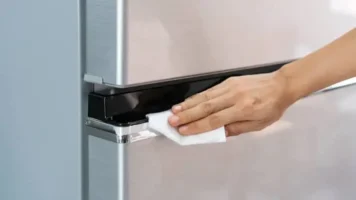
Stainless steel is popular in kitchens, bathrooms, appliances, sinks and home fixtures because it looks clean and resists corrosion. However, rust stains can still appear on stainless steel, especially when the surface touches iron particles, moisture, salt, or harsh cleaning products.
Learning how to clean rusted stainless steel can help restore its appearance without damaging the metal. The right method depends on how heavy the rust looks and whether you are dealing with surface staining or deeper corrosion.
Why Does Stainless Steel Get Rust?
Stainless steel does not mean that the metal can never rust. It contains chromium, which helps create a thin protective layer on the surface that protects the steel from corrosion.
That protective layer can become damaged or contaminated. According to the British Stainless Steel Association, many rust marks on stainless steel come from iron or carbon-steel particles that become attached to the surface rather than the stainless steel itself becoming heavily corroded.
Steel wool, carbon-steel brushes, rusty tools and contaminated cleaning pads can leave tiny iron particles behind. When moisture reaches those particles, they can create brown or orange rust stains.
Salt, dirt, standing water and some harsh chemicals can also make staining worse. Regular cleaning and proper drying can help reduce these problems.
What You Need Before Cleaning Rusted Stainless Steel
Before starting, gather simple cleaning materials that are gentle on stainless steel. A soft microfiber cloth, warm water, mild dish soap, white vinegar and a non-scratching sponge can handle many light stains.
For heavier staining, you may need a stainless steel cleaner designed for rust or iron staining. Always check the product label and test any new cleaner on a small hidden area first.
| Cleaning Material | Best Use | Surface Safety |
|---|---|---|
| Warm water | Everyday dirt | Very safe |
| Mild dish soap | Grease and light dirt | Safe |
| White vinegar | Light mineral and rust staining | Use properly and rinse |
| Microfiber cloth | Wiping and drying | Very safe |
| Soft sponge | Light scrubbing | Safe |
| Stainless steel cleaner | Stubborn stains | Follow label directions |
| Steel wool | Rust removal | Avoid |
| Chlorine bleach | Disinfection | Avoid on stainless steel when possible |
The British Stainless Steel Association recommends mild, non-scratching cleaners for light rust staining and warns against chloride-containing cleaning solutions.
How to Clean Rusted Stainless Steel With Dish Soap
Start with the gentlest cleaning method when the rust appears light. Add a small amount of mild dish soap to warm water and mix it well.
Dip a soft microfiber cloth into the solution and squeeze out excess water. Wipe the stained area carefully to remove grease, dirt and loose residue.
Next, rinse the surface with clean water. Dry the stainless steel completely with a clean microfiber cloth because leaving water on the surface can encourage new stains.
This basic step may not remove established rust, but it prepares the surface for a stronger cleaning method. It also prevents dirt from mixing with the rust during scrubbing.
How to Clean Rusted Stainless Steel With Vinegar
White vinegar can help with light rust stains and mineral deposits because it contains acetic acid. The BSSA also identifies acetic acid solutions as one method for removing iron contamination from stainless steel surfaces.
For a small stain, dampen a soft cloth with white vinegar. Place the cloth over the stained area for a short period, then gently wipe the surface.
Do not aggressively scrub the metal with a rough pad. After cleaning, rinse the area thoroughly with clean water and dry it completely.
For brushed stainless steel, always wipe in the direction of the grain. This helps reduce the chance of creating visible marks across the original finish.
How to Clean Rusted Stainless Steel With Baking Soda
Baking soda can work as a mild cleaning agent when you need gentle physical cleaning. Mix a small amount of baking soda with water to create a soft paste.
Apply the paste to the stained area with a soft cloth or non-scratching sponge. Rub gently and follow the direction of the stainless steel grain.
After cleaning, rinse away all baking soda residue. Finish by drying the surface with a clean microfiber cloth.
Avoid using excessive pressure, because aggressive scrubbing can change the appearance of polished stainless steel. The goal is to remove the stain without creating new scratches.
How to Clean Rusted Stainless Steel With a Commercial Cleaner
Some rust stains need more than household cleaning methods. In these situations, a stainless steel cleaner made specifically for rust or iron contamination can provide a more targeted solution.
Choose a product that clearly states that it is suitable for stainless steel. Follow the manufacturer’s instructions instead of leaving the cleaner on the surface longer than recommended.
Apply the product with a clean cloth or suitable sponge. Rinse the surface thoroughly afterward and dry it completely.
The BSSA recommends mild, non-scratching creams and polishes for light rust staining and advises testing cleaning methods on an inconspicuous area first.
How to Clean Rusted Stainless Steel Without Scratching It
Scratches can make stainless steel look dull and can make future cleaning more difficult. That is why choosing the correct cleaning tool matters as much as choosing the cleaner.
Never use ordinary steel wool to remove rust from stainless steel. The Nickel Institute explains that steel wool and pads previously used on carbon steel can transfer iron particles to stainless steel and cause additional rust staining.
Use a soft microfiber cloth, soft sponge, or suitable nylon cleaning pad instead. When working on brushed stainless steel, follow the existing grain rather than rubbing in circles.
If the surface is highly polished, use extra care. Even mild abrasives can change the appearance of a polished finish.
How to Clean Rusted Stainless Steel Around a Kitchen Sink
Kitchen sinks often develop rust-like stains because they stay wet and frequently come into contact with food residue, salt, metal utensils and cleaning products.
First, remove food particles and grease with warm water and mild dish soap. Then treat the stained area with a gentle rust-cleaning method.
Rinse the sink thoroughly after cleaning. Do not leave vinegar, cleaning chemicals, salt, or other residues sitting on the surface for long periods.
The BSSA notes that chloride-containing products and concentrated bleach can contribute to staining and pitting. It also advises thorough rinsing after cleaning.
For more kitchen cleaning ideas, see our internal guide on How to Disinfect Floors and explore our Cleaning Tools category.
How to Clean Rusted Stainless Steel Appliances
Refrigerators, dishwashers, ovens and other stainless steel appliances need careful cleaning because their finishes can vary.
Before cleaning, check the appliance manufacturer’s care instructions. Some appliances have protective coatings or special finishes that can react differently to cleaning products.
Remove loose dirt with a microfiber cloth first. Then use mild soapy water or a cleaner recommended for the appliance’s stainless steel finish.
Never assume that a stronger chemical will clean faster or better. Harsh products can stain, dull, or damage the surface.
After cleaning, wipe away all residue with clean water. Dry the appliance completely to prevent water spots.
How to Remove Heavy Rust From Stainless Steel
Heavy rust requires more care than a small surface stain. If rust has created deep pits, rough areas, or permanent discoloration, household cleaning may not completely restore the original finish.
Start with the least aggressive cleaning method. Move to a stainless steel rust remover only when gentler methods fail.
Professional stainless steel guidance recommends specialized treatments for localized rust contamination, including certain proprietary gels and controlled chemical treatments. These stronger treatments should be used carefully and according to proper safety instructions.
For valuable, expensive, or badly damaged stainless steel, professional refinishing may be safer than aggressive home scrubbing. Deep pitting is different from simple surface rust staining, so cleaning alone may not restore the original appearance.
Common Mistakes to Avoid When Removing Rust
One of the biggest mistakes is using steel wool because it appears strong enough to remove rust. In reality, steel wool can leave iron particles behind and create more staining.
Another mistake is using chlorine bleach without considering its effect on stainless steel. Chloride-containing solutions can cause staining and pitting, particularly when they remain on the surface for extended periods.
Avoid hard scrapers and rough abrasive pads as well. These tools can scratch the surface and permanently change its finish.
You should also avoid leaving cleaning chemicals on stainless steel longer than the instructions recommend. Rinsing and drying are important parts of the cleaning process, not optional final steps.
Cleaning Mistakes and Safer Alternatives
| Avoid This | Why It Can Be a Problem | Better Choice |
|---|---|---|
| Steel wool | Can transfer iron particles | Soft sponge or nylon pad |
| Carbon-steel brush | Can contaminate stainless steel | Suitable stainless steel or nylon brush |
| Strong bleach | Can cause staining and pitting | Mild stainless steel cleaner |
| Rough abrasive powder | May scratch the finish | Non-scratching cleaner |
| Hard metal scraper | Can leave scratches | Soft cleaning cloth |
| Leaving water behind | Can cause water marks | Dry with microfiber cloth |
| Scrubbing against the grain | Can make marks visible | Follow the grain |
The Nickel Institute specifically advises against steel wool and contaminated carbon-steel cleaning tools because they can introduce iron particles onto stainless steel.
How to Prevent Rust From Coming Back
Once you know how to clean rusted stainless steel, prevention becomes the next important step. Keeping the surface clean and dry can reduce the conditions that allow staining to return.
Wipe spills as soon as possible, especially salty or acidic food residues. Clean stainless steel regularly with mild soap and water instead of waiting for heavy buildup.
Use dedicated cleaning tools for stainless steel. Never use a pad that has previously been used on ordinary carbon steel, because it can transfer iron particles to the surface.
Dry sinks, countertops and appliances after cleaning. This simple habit can help reduce water marks and keep the surface looking cleaner.
For more home-care advice, you can also explore our Smart Home Tips & Guides and Home Essentials sections.
How Often Should You Clean Stainless Steel?
The ideal cleaning schedule depends on where the stainless steel is located. A kitchen sink may need frequent cleaning because it faces water, food, grease and salt every day.
Stainless steel appliances may only need regular wiping and deeper cleaning when fingerprints or stains appear. Outdoor stainless steel may need more frequent maintenance when exposed to coastal air or other harsh conditions.
A simple routine works well for most homes. Clean visible dirt promptly, rinse away cleaning products and dry the surface after washing.
Can Rusted Stainless Steel Be Restored?
In many cases, light rust staining can be removed successfully. The result depends on the cause of the stain, the stainless steel grade, the surface finish and how long the contamination has remained.
Surface iron contamination is often easier to remove than actual corrosion. If the metal has developed deep pits, roughness, or permanent damage, cleaning may improve the appearance without completely restoring it.
The BSSA notes that badly affected stainless steel can sometimes require mechanical or electropolishing by specialists when normal cleaning methods do not work.
Conclusion
Knowing how to clean rusted stainless steel helps you remove stains while protecting the original finish. Start with mild soap and water, then move to gentle rust-removal methods when necessary.
Vinegar or a suitable stainless steel cleaner can help with certain light stains, while baking soda can provide gentle physical cleaning. Avoid steel wool, harsh abrasives and chloride-heavy products because they can create new damage.
The most important habit is simple: clean regularly, rinse thoroughly and dry the surface. With proper care, stainless steel can stay clean, attractive and resistant to rust staining for a long time.
Frequently Asked Questions
Can vinegar remove rust from stainless steel?
Yes, vinegar can help remove some light rust staining and iron contamination from stainless steel. Use it carefully, rinse the surface thoroughly and dry it after cleaning.
Can baking soda remove rust from stainless steel?
Baking soda can help with light stains when mixed with water into a soft paste. Use gentle pressure and avoid aggressive scrubbing to protect the stainless steel finish.
Is steel wool safe for stainless steel?
No, ordinary steel wool is not recommended for stainless steel. It can leave iron particles on the surface, which may later create additional rust staining.
Can I use bleach on stainless steel?
Bleach should be used with great caution around stainless steel. Chloride-containing products can cause staining and pitting, especially when they remain on the surface for too long.
Why does my stainless steel keep getting rust spots?
Repeated rust spots can come from iron contamination, moisture, salt, unsuitable cleaning tools, or harsh chemicals. Steel wool and carbon-steel tools are common sources of iron contamination.
Should I scrub stainless steel with the grain?
Yes, following the existing grain is generally the safer approach when wiping or gently cleaning brushed stainless steel. It helps reduce visible marks and keeps the finish more uniform.
How can I stop stainless steel from rusting again?
Clean spills promptly, avoid contaminated cleaning pads, rinse cleaning products thoroughly and dry the surface after washing. These simple habits can reduce recurring staining.
What should I do if the rust has caused pits?
Deep pits may indicate more serious corrosion rather than simple surface staining. In that situation, avoid aggressive home scrubbing and consider professional stainless steel refinishing.
Can rust damage stainless steel permanently?
Yes, severe corrosion can create pitting and permanent surface damage. Light surface staining is usually easier to remove than deep corrosion.


