Store-bought sprays cost a lot and many smell harsh. Many families now turn to homemade cleaning solutions instead. They use cheap pantry items and they work well on most daily messes.
You do not need a chemistry degree to make them. You only need a spray bottle, a few ingredients and a clear plan. This guide shows you what to buy, what to mix and what to avoid.
By the end, you will know how to clean your kitchen, bathroom, floors and windows. You will also learn which mixes are dangerous. Let’s start with why this habit is worth your time.
Why Homemade Cleaning Solutions Are Worth Trying
Most cleaning jobs do not need strong chemicals. Dust, grease, soap scum and sticky spills break down with mild acids and gentle scrubbers. Pantry staples handle these jobs well.
The biggest benefit is cost. A bottle of vinegar costs a fraction of a branded spray. One box of baking soda can clean dozens of surfaces.
Another benefit is fewer harsh fumes. Many commercial cleaners release strong smells that irritate eyes and noses. Simple DIY mixes usually have a lighter scent and you control every ingredient.
You also cut down on plastic waste. You can refill one glass or plastic bottle for years. That small habit keeps many empty containers out of the trash.
Still, “natural” does not always mean “safe.” Some pantry items can damage surfaces or react badly together. We will cover those rules later in this article.
Basic Ingredients for Homemade Cleaners
Most recipes use the same short list of items. Buy these once and you can make nearly every mix in this guide. The table below explains what each one does.
| Ingredient | What It Does Best | Do Not Use On |
|---|---|---|
| White vinegar | Cuts grease, removes limescale and fights odors | Natural stone, hardwood and cast iron |
| Baking soda | Scrubs gently, lifts stains and absorbs smells | Aluminum and soft polished surfaces |
| Lemon juice | Brightens, cuts soap scum and adds fresh scent | Natural stone and some metals |
| Castile or dish soap | Lifts dirt and grease from most surfaces | Nothing common, but rinse well |
| Rubbing alcohol (70%) | Dries fast, removes sticky residue and cleans glass | Finished wood and some plastics |
| Hydrogen peroxide (3%) | Whitens, removes stains and kills many germs | Colored fabrics and dark surfaces |
| Salt | Adds scrubbing power and absorbs moisture | Soft metals and delicate stone |
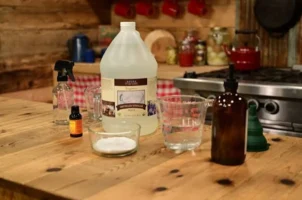
Add a few tools as well. Get a clean spray bottle, a few microfiber cloths and a soft brush. Label every bottle with a marker so no one mixes them up.
All-Purpose Cleaner Recipe
Every home needs one good spray for daily use. This all-purpose mix works on counters, tables and appliances. It takes about two minutes to make.
Combine one cup of water, one cup of white vinegar and ten drops of lemon essential oil in a spray bottle. Shake it gently before each use. Spray the surface, wait one minute and wipe with a damp cloth.
The vinegar cuts grease and dissolves mineral spots. The oil adds a light scent and masks the vinegar smell. If you dislike the smell, the oil makes a real difference.
Do not use this spray on granite, marble, or quartz. Acid can dull the finish on these surfaces over time. For stone, mix warm water with a few drops of mild dish soap instead.
Glass and Mirror Cleaner
Streaky windows annoy everyone. A simple mix leaves glass clear and bright. It also dries fast, which helps stop streaks.
Mix one cup of water, one cup of rubbing alcohol and one tablespoon of white vinegar. Pour the liquid into a spray bottle and shake it well. Spray lightly, then wipe in straight lines with a dry microfiber cloth.
Clean windows on a cloudy day when you can. Direct sun dries the liquid too fast and leaves marks. Use a second dry cloth to buff away any leftover streaks.
Newspaper is an old trick, but modern ink can smudge. A clean microfiber cloth works better and lasts longer. Wash the cloth often without fabric softener, which leaves a film on glass.
Kitchen Cleaning Solutions That Cut Grease
The kitchen collects the toughest messes. Grease, burnt food and sticky spills build up fast. These DIY cleaners tackle each problem.
Degreasing Spray for Stovetops
Mix two cups of hot water, one tablespoon of dish soap and one tablespoon of baking soda. Stir gently so it does not foam too much. Pour it into a spray bottle and spray the greasy area.
Let it sit for five minutes. Then wipe the surface with a warm, damp cloth. Stubborn spots may need a second pass with a soft brush.
Microwave Cleaner
Place one cup of water and two tablespoons of white vinegar in a microwave-safe bowl. Heat it for three minutes. Leave the door closed for five more minutes so the steam loosens the grime.
Then wipe the inside with a cloth. Food stains slide off with almost no scrubbing. Remove the turntable and wash it in the sink.
Cutting Board Refresh
Sprinkle coarse salt over a wooden board. Rub it with half a lemon, squeezing as you go. Let it sit for ten minutes, then rinse with warm water.
The salt scrubs away stains. The lemon helps lift odors. Dry the board fully so it does not warp.
Natural Drain Freshener
Pour half a cup of baking soda down the drain. Follow it with half a cup of white vinegar. The mix will fizz for several minutes.
Rinse with hot water after ten minutes. This helps clear light buildup and smells. It will not fix a fully blocked drain, so call a plumber for serious clogs.
Bathroom Cleaning Solutions for Soap Scum and Mold
Bathrooms need tough cleaning because damp air feeds mold and mineral spots. Warm vinegar and baking soda handle most of it. Here are the best recipes.
Tub and Tile Scrub
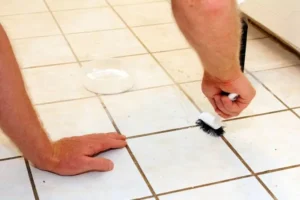
Make a paste with half a cup of baking soda and two tablespoons of liquid soap. Add a little water until it feels like thick frosting. Spread it on the tub and tile.
Scrub with a soft sponge, then rinse well. The paste removes soap scum without scratching most surfaces. Test a small hidden spot first.
Shower Head Descaler
Fill a plastic bag with white vinegar and tie it around the shower head. Leave it overnight. Remove the bag in the morning and run hot water for a minute.
Vinegar dissolves mineral deposits that block the spray holes. Metal finishes like brass or nickel can dull, so limit the soak to thirty minutes for those.
Toilet Bowl Cleaner
Pour one cup of white vinegar into the bowl and wait thirty minutes. Sprinkle half a cup of baking soda over it. Scrub with a toilet brush and flush.
This mix lifts light stains and reduces odors. It is gentler than harsh bowl cleaners. Never combine it with bleach.
Mold and Mildew Spray
Fill a spray bottle with undiluted 3% hydrogen peroxide. Spray the moldy spot and let it sit for ten minutes. Scrub with a brush and wipe clean.
For large mold areas, call a professional. The CDC advises caution with mold cleanup, especially for people with asthma. You can read more on the CDC’s mold guidance page.
Floor and Carpet Cleaning Solutions
Different floors need different care. Using the wrong mix can ruin a nice finish. Check your floor type before you start.
Tile and Vinyl Floors
Mix one gallon of warm water with half a cup of white vinegar. Mop the floor, then let it air dry. The vinegar cuts dirt and leaves no sticky residue.
Hardwood Floors
Skip the vinegar on wood. Acid can dull the finish over time. Mix one gallon of warm water with a few drops of mild castile soap and use a barely damp mop.
Wood hates standing water, so wring the mop well. Dry any wet spots right away with a clean towel.
Carpet Stain Remover
Blot fresh spills with a clean cloth first. Do not rub, because rubbing pushes the stain deeper. Then mix one tablespoon of dish soap, one tablespoon of white vinegar and two cups of warm water.
Apply a small amount to the stain and blot again. Rinse with cold water and let the spot dry. Repeat if the stain remains.
Homemade Cleaning Solutions: What You Must Never Mix
Even the best homemade cleaning solutions can cause harm when you mix them the wrong way. Some combinations release toxic gases. Always read labels and never mix cleaners without checking first.
The U.S. Environmental Protection Agency offers helpful safety tips on cleaning products. You can learn more through the EPA Safer Choice program. Use the table below as a quick safety guide.
| Never Mix This | With This | Why It Is Dangerous |
|---|---|---|
| Bleach | Vinegar | Creates toxic chlorine gas |
| Bleach | Ammonia | Creates harmful chloramine fumes |
| Bleach | Rubbing alcohol | Forms chloroform and other toxic compounds |
| Hydrogen peroxide | Vinegar (in one bottle) | Forms peracetic acid, which irritates skin and lungs |
| Baking soda | Vinegar (stored in a closed bottle) | Builds pressure and can burst the container |
Follow a few simple habits to stay safe. Open a window while you clean. Wear gloves if your skin is sensitive. Keep all bottles out of reach of children and pets.
How Much Money Can You Save?
DIY cleaners cost far less than most branded products. A gallon of vinegar costs only a few dollars and makes many bottles of spray. The table below compares typical costs.
| Cleaning Task | Typical Store Product | Homemade Option |
|---|---|---|
| All-purpose spray | $3–$5 per bottle | Under $0.50 per bottle |
| Glass cleaner | $3–$4 per bottle | Under $0.60 per bottle |
| Bathroom scrub | $4–$6 per bottle | Under $0.75 per batch |
| Floor cleaner | $5–$8 per bottle | Under $0.40 per bucket |
These figures are rough estimates and vary by brand and store.
Switching to homemade cleaning solutions can add up to real yearly savings. A family that cleans weekly may keep well over a hundred dollars. Bulk buying vinegar and baking soda saves even more.
How to Store Your Homemade Cleaning Solutions
Proper storage keeps your mixes fresh and safe. Use clean spray bottles made of glass or sturdy plastic. Label each bottle with the name and the date.
Store homemade cleaning solutions in a cool, dark spot away from sunlight. Light and heat break down some ingredients, especially hydrogen peroxide. Keep peroxide in its original brown bottle for this reason.
Most vinegar-based sprays last about two to four weeks. Mixes with soap and water can spoil faster. If a liquid smells strange or looks cloudy, throw it away and make a fresh batch.
Never reuse a bottle that once held a different chemical. Leftover residue can react with your new mix. Rinse reused bottles well and use a fresh bottle when in doubt.
Tips to Make Your DIY Cleaners Work Better
A few small habits make a big difference. Try these simple tricks to get stronger results.
- Let the spray sit. Most mixes need one to five minutes to loosen dirt.
- Use warm water. Heat helps dissolve grease and soap faster.
- Wash microfiber cloths often. Dirty cloths spread grime instead of removing it.
- Test a hidden spot first. This protects delicate surfaces from damage.
Also remember that homemade mixes are not disinfectants. Vinegar and baking soda clean well but do not reliably kill germs. After illness or raw meat spills, use an EPA-registered disinfectant and follow the label.
Frequently Asked Questions
Are homemade cleaning solutions safe for kids and pets?
Most are safer than harsh chemicals, but they are not risk-free. Vinegar and essential oils can still irritate skin or upset a pet’s stomach. Tea tree oil is especially toxic to cats and dogs, so skip it. Always store bottles out of reach.
Does vinegar kill germs?
Vinegar kills some bacteria, but it does not work as a full disinfectant. The CDC and EPA recommend registered disinfectants for serious germ control. Use vinegar for everyday cleaning, not for sickness cleanup.
Can I use vinegar on every surface?
No. Avoid vinegar on granite, marble, hardwood and cast iron. The acid can dull or damage these materials. Use mild soap and water for them.
How long do DIY cleaners last?
Most last two to four weeks when stored well. Mixes with fresh lemon juice or soap may spoil sooner. Make small batches so you always use a fresh product.
Why does my homemade cleaner leave streaks?
Hard water minerals or too much soap usually cause streaks. Use distilled water for glass cleaner. Wipe with a dry microfiber cloth to finish.
Are homemade cleaning solutions as strong as store brands?
For daily messes, they work very well. For heavy grime, deep mold, or disease control, commercial products may work better. Choose the right tool for the job.
Conclusion
Homemade cleaning solutions are simple, cheap and easy to make. A few pantry items can handle most jobs around your home. You save money, cut waste and control what touches your surfaces.
Start small. Make one all-purpose spray and one glass cleaner this week. Then add more recipes as you gain confidence.
Above all, stay safe. Never mix bleach with other cleaners and always test a small spot first. With these habits, your home will stay fresh and clean without harsh chemicals.