Moving into a new place feels exciting, but it can also feel a little scary. You open the door, see empty rooms and wonder where to start. This home essentials home essentials guide shows you what to buy first, room by room.
You do not need to buy everything on day one. A smart list saves money, cuts stress and stops costly impulse buys. Let’s walk through what every home truly needs.
What Are Home Essentials?
Home essentials are the basic items you need to live safely and comfortably every day. They cover cooking, cleaning, sleeping, bathing and staying safe. Fancy décor and extra gadgets can wait until later.
Think of it as the gap between “needs” and “wants.” A bed, a cooking pot and a smoke alarm are needs. A second coffee maker or a wall full of art is a want.
Why a Written Checklist Matters
A written list keeps you focused when you shop. Experts at HomeGuide say a clear checklist helps you set priorities and skip impulse buys. That one habit can save you a lot of money.
A list also lets you spread costs over time. You buy the must-haves first and add the nice extras later.
Home Essentials Home Essentials by Room – A Quick Overview
Before we look at each space, here is a simple overview. Use this table as a quick map of what each room needs most.
| Room | Buy First (Must-Haves) | Can Wait (Nice Extras) |
|---|---|---|
| Kitchen | Pots, pans, knife, plates, cups, cutlery | Stand mixer, air fryer |
| Bedroom | Bed, mattress, pillows, sheets, blanket | Accent chair, throw pillows |
| Bathroom | Towels, toilet paper, plunger, shower curtain | Towel warmer |
| Living Room | Sofa, lamps, curtains or blinds | Large rug, wall art |
| Laundry | Hamper, detergent, drying rack | Clothes steamer |
| Cleaning | Broom, mop, bucket, sponges, cleaner | Robot vacuum |
| Safety | Smoke alarms, fire extinguisher, first aid kit | Smart cameras |
Kitchen Essentials You Should Buy First
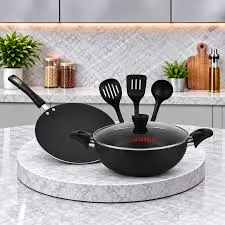
The kitchen eats up your budget fastest, so plan it with care. Start with daily tools like one good pot, one frying pan and one sharp knife. Then add a cutting board, a spatula, a wooden spoon and measuring cups.
Next, set up your eating basics. Buy enough plates, bowls, cups and cutlery for everyone, plus a few extras for guests. Food storage boxes help you keep leftovers and waste less food.
Don’t forget the small but vital items. A trash can, dish soap, sponges, kitchen towels and an oven mitt make daily work much easier. For a longer list, read our complete kitchen essentials guide.
Budget tip: HomeGuide estimates kitchen basics cost roughly $300 to $1,500, depending on quality.
Bedroom Essentials for Better Sleep
Good sleep keeps you healthy, so your bedroom deserves real thought. A quality mattress and a supportive pillow should sit at the top of your bedroom list. Add at least two sets of sheets so you can swap them on laundry day.
A warm blanket or duvet, a bedside lamp and blackout curtains finish the basics. A small dresser or a pack of hangers keeps your clothes neat and easy to find.
Bedroom costs vary a lot, mostly because mattress prices differ so widely. HomeGuide puts the range at about $500 to $3,000. Check our guide to choosing the right mattress before you spend.
Bathroom Basics Nobody Should Skip
The bathroom list looks short, but you will notice fast if something is missing. Put toilet paper, a toilet brush and a plunger on your list before move-in day. Nobody wants to borrow a plunger from a brand-new neighbor!
Add bath towels, hand towels, a bath mat and a shower curtain with hooks. A small trash bin, hand soap, shampoo and a toothbrush holder complete the space.
Keep a basic first aid kit in a bathroom cabinet too. Stock it with bandages, pain relievers, antiseptic wipes and any medicines your family uses.
Living Room Must-Haves
Your living room is where you relax and spend time with family. A comfortable sofa comes first, followed by good lighting. Floor or table lamps help a lot if the room has few ceiling lights.
Curtains or blinds give you privacy and control the sunlight. Blinds can even trim your energy bills by blocking summer heat. A coffee table and a small rug add comfort without a big cost.
Cleaning Supplies and Laundry Needs
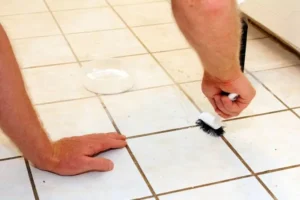
Many people forget cleaning supplies until the first spill happens. Smart planners pack them early so they can clean the new place right away. Buy a broom, dustpan, mop, bucket, sponges and an all-purpose cleaner first.
| Cleaning Item | What It Does |
|---|---|
| All-purpose spray | Cleans counters, tables and most surfaces |
| Microfiber cloths | Wipes away dust without scratching |
| Mop and bucket | Cleans tile and wood floors |
| Vacuum cleaner | Lifts dust and crumbs from rugs |
| Rubber gloves | Protects your hands from strong cleaners |
| Trash bags | Keeps waste tidy in every room |
For laundry, start with a hamper, detergent and a drying rack. These three items keep clean clothes coming without extra cost. Cleaning supplies usually cost about $50 to $300 in total.
To keep your new home fresh, follow our easy weekly home cleaning schedule.
Tools, Lighting and Everyday Hardware
Every home needs a basic toolbox for small fixes. A hammer, screwdrivers, pliers, a tape measure and a flashlight handle most quick repairs. Add a small box of nails, screws and picture hooks.
Lighting matters as well. Check which bulb sizes your fixtures use before you go shopping. LED bulbs last longer and use less power, which lowers your electric bill.
Keep extension cords, a power strip and spare AA and AAA batteries in one drawer. These small items power your remotes, clocks and gadgets.
Home Safety Essentials That Save Lives
Safety gear is the most important part of any home essentials home essentials plan. These items cost little, yet they protect your family from fire, injury and disasters. Never treat them as optional.
Smoke Alarms and Fire Safety
The U.S. Fire Administration advises placing smoke alarms in every bedroom, outside sleeping areas and on every level. Test each alarm once a month and replace the whole unit every 10 years. Swap 9-volt batteries at least once a year.
The National Fire Protection Association suggests linking your alarms, so when one sounds, they all sound. A small kitchen fire extinguisher adds one more layer of protection.
Emergency Supply Kit
Storms and power cuts can strike without warning. Ready.gov recommends storing one gallon of water per person per day for several days. Add canned food, a manual can opener, a flashlight, a radio and spare batteries.
| Emergency Kit Item | Suggested Amount |
|---|---|
| Water | 1 gallon per person, per day, for at least 3 days |
| Food | 3-day supply of non-perishable food |
| Flashlight and batteries | 1 flashlight per person |
| First aid kit | 1 per home |
| Prescription medicines | About a week’s supply |
| Phone charger or power bank | At least 1 per home |
Locks and Home Security
Change or rekey your door locks as soon as you move in. You never know how many old keys are still floating around. Strong window locks and a door peephole add extra peace of mind.
How to Budget for Home Essentials Home Essentials
Buying everything at once can drain your savings quickly. Instead, split your spending into three simple stages. This plan keeps your budget healthy and your stress low.
| Stage | When to Buy | What to Buy |
|---|---|---|
| Stage 1: Survival | Before move-in | Toilet paper, cleaning supplies, bedding, basic dishes, safety items |
| Stage 2: Comfort | First month | Sofa, lamps, curtains, extra cookware, storage bins |
| Stage 3: Upgrades | Months 2 to 6 | Décor, small appliances, smart home devices |
Shop seasonal sales, visit secondhand stores and ask family for items they no longer use. Our money-saving tips for first-time homeowners share even more ideas.
Common Mistakes to Avoid
Many new homeowners buy too much, too soon. They fill rooms with things they never use and run short on cash for real needs. Always buy what you need first, then add what you want.
Another mistake is skipping measurements. A sofa that won’t fit through the door turns into a costly headache. Measure your rooms, doors and stairs before you buy large furniture.
Finally, don’t go cheap on items you use every day. A poor mattress or a dull knife costs more over time because you replace it sooner.
Conclusion
A well-planned home essentials home essentials list turns an empty house into a cozy, safe home. Start with safety, cleaning, sleep and cooking, then build up slowly. Your wallet and your peace of mind will both thank you.
Print this guide, tick off each item and enjoy the process. Bit by bit, your new space will truly feel like home.
Frequently Asked Questions
What are the 10 most important home essentials?
The top ten are a bed, bedding, towels, toilet paper, basic cookware, dishes, cleaning supplies, a toolbox, smoke alarms and a first aid kit. These items cover sleep, food, hygiene and safety.
How much should I budget for home essentials home essentials?
Most people spend a few hundred to a few thousand dollars, based on home size and quality. Kitchen basics often cost $300 to $1,500, while bedroom items run $500 to $3,000.
What should I buy first when moving into a new home?
Buy toilet paper, cleaning supplies, bedding, a few dishes and safety items first. These cover your basic needs on the very first night.
How often should I test my smoke alarms?
Test every smoke alarm once a month by pressing its test button. Replace 9-volt batteries yearly and swap the whole alarm every 10 years.
How can I save money on home essentials home essentials?
Buy in stages, shop seasonal sales and check secondhand stores for furniture. You can also accept gently used items from friends and family.
Do I need an emergency kit at home?
Yes, every home should keep one. Store water, non-perishable food, a flashlight, batteries, medicines and a first aid kit in one easy-to-grab spot.