
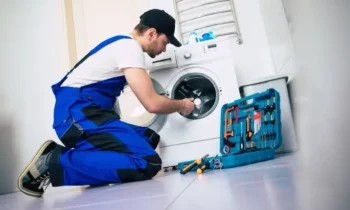
A home appliance repair course can help beginners understand how common household machines work, how technicians diagnose faults and how repairs are planned. From refrigerators and washing machines to ovens and dryers, practical training builds useful technical knowledge for a growing repair field.
Many modern appliances combine electrical controls, motors, sensors, mechanical parts and digital displays. Because of this, a good course should teach more than part replacement and help learners understand symptoms, test systems safely, read diagrams, identify faulty components and choose suitable repair methods.
What Is a Home Appliance Repair Course?
A home appliance repair course is a structured training program that teaches the basic theory and practical skills needed to inspect, diagnose, maintain and repair household appliances. Courses may cover electrical systems, mechanical components, electronic controls, refrigeration, troubleshooting, tools, customer service and workplace safety.
The exact curriculum varies by school and country. Learners should check the course outline before enrolling because the depth of hands-on practice can differ greatly.
Why Learn Appliance Repair?
Appliances are part of everyday life, so repair technicians need to understand many types of equipment. A broken refrigerator, washing machine, dishwasher, cooker, dryer or air conditioner can affect a household routine quickly.
Training can also develop practical problem-solving skills. Instead of guessing which component failed, a trained learner learns to observe symptoms, follow a logical diagnostic process and confirm a fault before replacing a part.
This training may also help students prepare for entry-level work, apprenticeships, maintenance roles or a future repair business. However, a course alone does not guarantee employment because experience, local regulations, communication skills and practical ability also matter.
What Do You Learn in an Appliance Repair Course?
A strong program usually begins with electrical fundamentals. Learners may study voltage, current, resistance, circuits, switches, fuses, relays, motors, heating elements and basic electronic controls.
The next stage often focuses on appliance systems and components. Students learn how parts work together and how a failure in one component can create symptoms elsewhere in the appliance.
Troubleshooting is one of the most valuable parts of training. Students should learn how to collect information, inspect the appliance, identify possible causes, test appropriate components, interpret results and decide whether repair or replacement makes sense.
| Course Module | What It Teaches |
|---|---|
| Electrical basics | Understanding circuits, components, power and electrical measurements |
| Appliance components | Learning motors, switches, sensors, valves, heaters, pumps and controls |
| Troubleshooting | Finding likely causes from symptoms and test results |
| Refrigeration basics | Understanding cooling systems and sealed-system concepts |
| Washing machines | Learning common mechanical, electrical, water and control-system faults |
| Refrigerators | Studying cooling, defrost, temperature control, fans and related systems |
| Ovens and dryers | Understanding heating, airflow, controls and safety systems |
| Dishwashers | Learning pumps, water flow, heating, drainage and electronic controls |
| Customer service | Building communication, estimates, documentation and professional behavior |
Electrical Skills Every Beginner Should Understand
Electrical knowledge forms the foundation of many appliance repairs. A learner should understand basic circuit ideas before trying to diagnose complicated appliances.
A good appliance repair course should explain how to read simple wiring diagrams and identify common components. It should also teach safe testing practices and explain why technicians must follow manufacturer instructions and local electrical rules.
Hands-on training matters because appliance systems can look different from textbook diagrams. Practical sessions can help learners connect theory with real components and recognize how wiring, controls, motors, sensors and mechanical parts interact.
Refrigeration and Cooling Systems
Refrigerators and some other household appliances use refrigeration systems that require specialized knowledge. A learner may study compressors, evaporators, condensers, expansion devices, refrigerant circuits, airflow and temperature control.
In the United States, EPA Section 608 rules require certification for technicians who service equipment in ways that could release regulated refrigerants. The EPA identifies Type I certification for small appliances, along with Type II, Type III and Universal certifications for other equipment categories.
This is an important point for students choosing training. A course may prepare learners for refrigerant-related work, but EPA certification is a separate requirement and the EPA states that it does not approve training preparatory programs themselves.
Appliance Repair Tools and Equipment
Training should introduce learners to common diagnostic tools without encouraging unsafe experimentation. Depending on the course, students may become familiar with multimeters, test leads, screwdrivers, nut drivers, pliers, basic hand tools, electrical testers, gauges and manufacturer service information.
The goal is not to collect every tool at the beginning. Beginners should first learn what each tool measures or does, when it is appropriate and how to follow the safety requirements for the specific appliance.
Good training also teaches tool care and organized work habits. Clean tools, accurate notes, correct part numbers and clear documentation can reduce mistakes and make professional service more efficient.
Safety in Appliance Repair Training
Safety should be a central part of any appliance repair curriculum. Household appliances can contain electrical, mechanical, thermal and refrigeration hazards, so students should never treat repair as simple trial and error.
A good course teaches learners to follow manufacturer instructions, disconnect equipment when required, use suitable protective equipment and avoid working beyond their training. Students should also understand that some repairs require qualified professionals or specific legal certification.
If a course spends most of its time on quick fixes but gives little attention to safety, diagnostics or manufacturer procedures, learners should consider that a warning sign. A strong program balances practical skills with responsible working methods.
Hands-On Practice vs. Online Learning
Online lessons can make technical education easier to access. Videos, diagrams, quizzes, digital manuals and simulated troubleshooting exercises can help learners understand basic concepts before they enter a workshop.
However, appliance repair is a practical field. A home appliance repair course becomes more useful when learners can observe real components, practice diagnosis under supervision and compare expected results with actual appliance behavior.
How Long Does Appliance Repair Training Take?
Course length depends on the program, the number of appliances covered and the amount of practical training. Short introductory courses may focus on basic electrical concepts and common faults, while comprehensive programs can take much longer.
Students should not choose a course only because it promises a fast certificate. The quality of instruction, practical experience, troubleshooting practice and safety education matter more than speed alone.
Who Can Take an Appliance Repair Course?
Most beginner programs are designed for people with little or no professional repair experience. A basic interest in technology, mechanical systems, electricity and problem-solving can make the learning process easier.
Students should also be comfortable reading simple instructions and following safety rules. More advanced refrigeration or electrical work may require additional training, certification, licensing or supervised experience depending on the location.
How to Choose the Right Appliance Repair Course
Start by checking the syllabus. A useful home appliance repair course should cover electrical basics, diagnostics, troubleshooting, safety and practical work.
Next, check the instructor experience and training facilities. A course with access to real appliances, service documentation and supervised practice may provide more useful preparation than a program based almost entirely on theory.
It is also helpful to ask what certificate the school provides and what that certificate actually means. A course completion certificate is not automatically the same as a government license or professional certification.
Finally, consider whether the program matches your career goal. Someone interested in refrigerators may need more refrigeration training, while someone focused on washers and dryers may benefit from broader electrical and mechanical practice.
Career Options After Appliance Repair Training
After gaining suitable education and supervised experience, learners may explore several career paths. These can include appliance service technician roles, maintenance positions, repair-shop work, manufacturer service support, or eventually, independent service work where permitted.
Communication is also important. Technicians should explain problems clearly, discuss service findings and follow professional work habits.
Appliance Repair Course Skills Employers Value
Employers generally need technicians who can diagnose problems instead of simply replacing parts. Accurate troubleshooting can save time, reduce unnecessary part costs and improve customer satisfaction.
Communication is another important skill. A technician should be able to explain a technical problem in simple language and communicate clearly about service findings, parts, timing and repair options.
Is Appliance Repair a Good Skill to Learn?
A home appliance repair course can provide a structured starting point, but real competence develops through practice and continued learning. The field combines electrical concepts, mechanical systems, electronics, customer service and diagnostic thinking.
Appliance technology changes over time, so technicians need to keep studying new controls, components, diagnostic methods and manufacturer procedures.
Students should also understand the difference between learning a skill and being legally permitted to perform certain work. For example, refrigerant-related work in the United States has specific EPA requirements and local rules may add other requirements.
Common Mistakes Beginners Should Avoid
One common mistake is replacing parts before confirming the fault. This approach can waste money and may leave the original problem unresolved.
Another mistake is relying on one generic repair method for every brand. Different manufacturers use different designs, error codes, service procedures and component arrangements, so learners should use reliable technical documentation.
Beginners should also avoid treating safety as optional. If a repair is outside your training, certification or legal authority, stop and seek qualified supervision or professional help.
Building a Learning Path
A simple learning path can begin with electrical fundamentals and appliance safety. After that, learners can study component functions, wiring diagrams, diagnostic thinking and common appliance systems.
Once the basics become comfortable, students can add specialization. Refrigeration, electronic controls, advanced diagnostics and business skills can become useful areas for further development.
Conclusion
Choosing a home appliance repair course is an important first step for anyone who wants structured training in appliance diagnostics and maintenance. The best program should combine electrical theory, mechanical knowledge, troubleshooting, safety, practical experience and clear information about certification requirements.
Before enrolling, compare the curriculum, hands-on opportunities, instructor experience, course outcomes and local requirements. With steady practice and responsible training, learners can build a useful foundation for appliance service, maintenance work or further technical education.
Frequently Asked Question
Is a home appliance repair course suitable for beginners?
Yes. Many introductory programs start with basic electrical concepts, component identification, safety and simple troubleshooting. Beginners should choose courses that provide clear explanations and supervised practical learning.
What appliances can I learn to repair?
Courses may cover refrigerators, washing machines, dryers, dishwashers, ovens, cookers and other household appliances. The exact coverage depends on the training provider and course level.
Do I need certification for appliance repair?
Requirements depend on the type of work and your location. In the United States, EPA Section 608 certification applies to technicians whose work could release regulated refrigerants, with different certification types for different equipment.
Can I learn appliance repair online?
You can learn many fundamentals online, including theory, diagrams, component functions and troubleshooting concepts. Practical supervised training remains valuable because appliance repair requires real-world diagnostic and technical skills.
How should I choose an appliance repair course?
Compare the syllabus, practical training, instructor experience, equipment access, certificate details, safety content and local requirements. Choose a program that matches the appliance types and career direction you want to pursue.


