
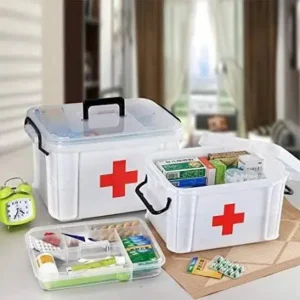
A first aid kit in plastic container is one of the most important safety items you can own. Whether you are at home, driving, working, camping or traveling, a well-stocked first aid kit helps you respond quickly during emergencies. Small cuts, burns, sprains and insect bites can happen anytime and having medical supplies within reach can prevent a minor injury from becoming a serious problem.
Many people buy a first aid kit but never check its contents or storage condition. Choosing a first aid kit in plastic container provides better protection because the sturdy case keeps supplies organized, dry and easy to carry. This guide explains everything you need to know, from choosing the right kit to maintaining it for years.
What Is a First Aid Kit in Plastic Container?
A first aid kit in plastic container is a collection of emergency medical supplies stored inside a durable plastic case. The container protects bandages, medicines and tools from dust, moisture, dirt and accidental damage.
Plastic containers are popular because they are lightweight, affordable and easy to clean. Many models include compartments that help users quickly locate supplies during emergencies.
Why Plastic Containers Are a Better Choice
Plastic containers offer many advantages over fabric bags or cardboard boxes. They provide excellent protection while remaining lightweight and portable.
| Feature | Plastic Container | Fabric Bag |
|---|---|---|
| Water Resistance | Excellent | Moderate |
| Easy to Clean | Yes | Limited |
| Crush Protection | High | Low |
| Long Lifespan | Excellent | Moderate |
| Organized Compartments | Usually Included | Sometimes |
| Moisture Protection | Better | Lower |
Why Every Family Needs a First Aid Kit
Accidents happen without warning. Children may fall while playing, adults may suffer kitchen burns, or someone may twist an ankle during exercise.
Having a first aid kit in plastic container allows you to respond immediately before professional medical help arrives. Quick treatment reduces pain, lowers infection risks and improves recovery.
Medical experts such as the American Red Cross and health organizations recommend keeping first aid kits in several locations, including your home, car and workplace.
Benefits of Using a Plastic First Aid Container
A plastic storage case offers practical advantages that make emergency care easier.
Better Organization
Most plastic containers include separate sections for bandages, gauze, scissors, antiseptics and medicines. Organized supplies save valuable time during emergencies.
Protects Against Water
Moisture can damage bandages and medical tape. Plastic cases help keep supplies dry, especially during travel or outdoor activities.
Durable Construction
Plastic does not tear like cloth bags. It protects delicate medical items from crushing or accidental damage.
Easy to Carry
Many containers include carrying handles, making them convenient for camping, hiking, road trips or sporting events.
Long-Term Storage
Plastic boxes help preserve supplies for longer periods when stored properly in cool, dry places.
Essential Items Every First Aid Kit Should Include
The quality of a first aid kit depends on what is inside. A complete kit should contain supplies for treating common injuries.
| Item | Purpose |
|---|---|
| Adhesive Bandages | Cover Small Cuts |
| Sterile Gauze Pads | Stop Bleeding |
| Medical Tape | Secure Dressings |
| Antiseptic Wipes | Clean Wounds |
| Antibiotic Ointment | Prevent Infection |
| Elastic Bandage | Support Sprains |
| Disposable Gloves | Prevent Contamination |
| Scissors | Cut Tape or Clothing |
| Tweezers | Remove Splinters |
| Instant Cold Pack | Reduce Swelling |
| CPR Face Shield | Emergency CPR |
| Digital Thermometer | Check Fever |
| Pain Relievers | Reduce Pain |
| Burn Gel | Treat Minor Burns |
How to Choose the Best First Aid Kit in Plastic Container
Not every first aid kit offers the same level of protection. Several factors should guide your decision.
Size
Choose a size that matches your needs. A small kit works well for personal travel, while larger families need bigger containers with more supplies.
Material Quality
Select a container made from thick, impact-resistant plastic. Strong hinges and secure latches improve durability.
Compartments
Multiple compartments make organization much easier. You should quickly find every item during stressful situations.
Portability
Look for comfortable carrying handles and lightweight construction if you plan to travel.
Water Resistance
A water-resistant container protects supplies from rain, spills and humidity.
Best Places to Keep Your First Aid Kit
Location matters just as much as the supplies inside.
Home
Store one kit in the kitchen because cooking accidents happen frequently. Keep another in an easily accessible family area.
Car
Road trips and daily commuting both create unexpected situations. A dedicated vehicle kit prepares you for minor emergencies.
Workplace
Many offices already have first aid supplies, but keeping your own kit nearby offers extra protection.
School Bags
Parents often pack small travel kits inside children’s backpacks for minor injuries.
Camping Equipment
Outdoor adventures increase the chances of cuts, insect bites and burns. A plastic case protects supplies from weather conditions.
How to Organize Your First Aid Kit
An organization helps you respond faster during emergencies. Arrange supplies by category. Place wound care items together, medicines in a separate section and emergency tools in a designated area. Label compartments if possible. Clear organization saves valuable seconds during stressful moments.
Common Emergencies Your First Aid Kit Can Handle
A properly stocked first aid kit in a plastic container helps manage many everyday injuries before professional treatment becomes available.
| Emergency | Useful Supplies |
|---|---|
| Small Cuts | Bandages, Antiseptic Wipes |
| Burns | Burn Gel, Gauze |
| Nosebleeds | Gauze Pads |
| Sprains | Elastic Bandage, Cold Pack |
| Splinters | Tweezers |
| Blisters | Moleskin, Bandages |
| Insect Bites | Antihistamine Cream |
| Minor Fever | Thermometer, Fever Medicine |
Remember that severe injuries always require immediate medical attention.
How Often Should You Check Your First Aid Kit?
Many people forget about their kit after purchasing it. This mistake can result in expired medicines or missing supplies.
Inspect your kit every three to six months. Replace expired medications, damaged packaging, empty bottles and used bandages.
Create a checklist to ensure every essential item remains available.
Cleaning Your Plastic First Aid Container
Keeping the container clean protects the medical supplies inside. Remove all contents before cleaning. Wash the plastic case using mild soap and warm water. Dry it completely before replacing supplies.
Avoid storing wet items because moisture encourages bacteria and mold growth.
Mistakes People Make with First Aid Kits
Several common mistakes reduce the usefulness of emergency kits. Many people store expired medicine for years. Others place the kit in locked cabinets where nobody can find it during emergencies. Some families never replace used supplies after treating injuries. Regular maintenance keeps your kit ready whenever you need it.
Plastic vs Metal First Aid Containers
Both materials have benefits, but plastic works better for most families.
| Plastic Container | Metal Container |
|---|---|
| Lightweight | Heavier |
| Rust-Free | May Rust |
| Affordable | Usually More Expensive |
| Water Resistant | Depends on Design |
| Easy to Carry | Less Portable |
| Child-Friendly Edges | Harder Edges |
Plastic offers an excellent balance of durability, affordability and convenience.
Tips for Maintaining Your First Aid Kit
Proper maintenance extends the life of your medical supplies. Keep the container in a cool, dry location away from direct sunlight. Heat can damage medications and adhesive products. Review expiration dates every few months. Replace supplies immediately after use.
Teach every family member where the kit is stored. Everyone should know how to access it during emergencies.
Who Should Own a First Aid Kit in Plastic Container?
Almost everyone benefits from keeping emergency medical supplies nearby. Families with children often need quick treatment for minor cuts and scrapes. Drivers benefit from roadside emergency preparedness. Outdoor enthusiasts use first aid kits during hiking, camping, fishing and cycling trips. Schools, offices, gyms and sports teams also rely on organized first aid supplies.
How to Build Your Own First Aid Kit
Building your own kit allows you to customize supplies for your family’s needs. Start with a durable plastic container featuring multiple compartments. Add quality bandages, gauze, tape, antiseptic wipes, gloves, scissors, tweezers, medicines, burn treatment and emergency contact information.
Personalize the kit by including prescription medications if required. Always keep medicines in their original labeled packaging.
Why a Plastic First Aid Kit Is a Smart Investment
A quality first aid kit in plastic container offers long-term value because it protects important medical supplies while remaining easy to transport. The durable case lasts for many years with proper care. Families appreciate the organized storage, while travelers enjoy the lightweight design.
Most importantly, a reliable first aid kit provides peace of mind during unexpected emergencies.
Conclusion
A first aid kit in plastic container is much more than a storage box. It is an essential safety tool that helps protect your family, friends and coworkers during unexpected situations. The sturdy plastic case keeps supplies organized, clean and protected from moisture and damage.
Choosing the right kit, checking it regularly and replacing expired items ensures that it remains ready whenever an emergency occurs. Whether you need it at home, in your car, at work or during outdoor adventures, investing in a quality first aid kit is a simple decision that can make a significant difference when every second counts.
Frequently Asked Questions
1. Why is a plastic container better for a first aid kit?
A plastic container is durable, water-resistant, easy to clean and protects medical supplies from dust, moisture and damage.
2. How often should I inspect my first aid kit?
You should inspect your first aid kit every three to six months and replace expired or missing supplies.
3. Can I keep medicines inside my first aid kit?
Yes. Store common over-the-counter medicines and any necessary prescription medications according to their storage instructions.
4. Where should I store my first aid kit?
Keep it in an easily accessible, cool and dry place where every family member can quickly find it.
5. Is a first aid kit enough for serious injuries?
No. A first aid kit provides immediate care for minor injuries and temporary assistance until professional medical help arrives.


