
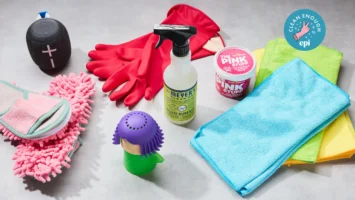
A clean home looks better, feels more comfortable and helps protect your family’s health. Dust, dirt, bacteria and allergens build up every day, so using the right cleaning products makes every task easier. Choosing quality supplies also saves time and reduces unnecessary effort.
Knowing the must have cleaning supplies for every room helps you clean more efficiently instead of buying products you rarely use. This guide explains the essential cleaning tools, why they matter and how to use them correctly while keeping your home fresh throughout the year.
Why Every Home Needs Essential Cleaning Supplies
Every home collects dust, grease, food spills, fingerprints and bacteria during normal daily activities. Regular cleaning removes these contaminants before they become difficult to eliminate. A well-organized cleaning kit also makes weekly chores much faster.
Instead of buying dozens of different products, focus on versatile cleaners that work in multiple areas. The right combination of tools and cleaners delivers excellent results without filling your cabinets with unnecessary bottles.
A small collection of quality products often performs better than a large collection of rarely used cleaners.
How to Build an Effective Cleaning Kit
Building a practical cleaning kit starts with understanding your home’s needs. Kitchens, bathrooms, bedrooms and living spaces require different cleaning methods, but many supplies work throughout the entire house.
A balanced cleaning kit should include:
| Cleaning Supply | Main Purpose | Frequency of Use |
|---|---|---|
| Microfiber cloths | Dusting and wiping | Daily |
| All-purpose cleaner | General surfaces | Daily |
| Glass cleaner | Windows and mirrors | Weekly |
| Disinfectant | Germ removal | Weekly |
| Baking soda | Odor removal and scrubbing | As needed |
| White vinegar | Natural cleaning | Weekly |
| Scrub brush | Tough stains | Weekly |
| Vacuum cleaner | Floors and carpets | Several times weekly |
These basics form the foundation of the must have cleaning supplies for nearly every household.
Basic Cleaning Products Every Home Should Have
Many modern cleaning products promise amazing results, but only a few truly deserve a permanent place in your cleaning cabinet.
All-Purpose Cleaner
An all-purpose cleaner handles countertops, tables, cabinets, appliances and many other hard surfaces. It removes grease, fingerprints, food spills and everyday dirt without requiring multiple specialized products.
Choose a cleaner that is safe for most sealed surfaces to maximize its usefulness.
Disinfectant Spray or Wipes
Cleaning removes dirt, but disinfecting destroys harmful germs. Bathrooms, kitchens, doorknobs, light switches and frequently touched surfaces benefit from regular disinfection.
Always follow the product instructions because disinfectants usually require several minutes of contact time to kill bacteria and viruses effectively.
Glass Cleaner
Windows, mirrors, shower doors and glass tables quickly collect fingerprints and water spots. A quality glass cleaner leaves surfaces streak-free while improving visibility and appearance.
Using a clean microfiber cloth produces better results than paper towels because it reduces lint and streaks.
Dish Soap
Dish soap does much more than wash dishes. It cuts grease, cleans countertops, removes food residue and even helps clean outdoor furniture.
Many homeowners consider dish soap one of the most versatile products among the must have cleaning supplies because it works in dozens of situations.
Baking Soda
Baking soda remains one of the most effective natural cleaners available today. It removes odors, loosens stains and provides gentle scrubbing power without scratching most surfaces.
You can use it inside refrigerators, trash cans, sinks, shoes and even carpets to reduce unpleasant smells.
White Vinegar
White vinegar dissolves mineral deposits, soap scum and hard water stains. Many people also use it when cleaning windows and removing buildup from coffee makers.
Never mix vinegar with bleach because the combination creates dangerous gases.
Essential Cleaning Tools You Should Own
Cleaning products work best when paired with the proper tools. Investing in durable equipment improves cleaning results while reducing physical effort.
Microfiber Cloths
Microfiber cloths trap dust instead of spreading it around. They absorb water efficiently and clean many surfaces without leaving scratches.
Unlike disposable wipes, microfiber cloths can be washed hundreds of times, making them economical and environmentally friendly.
Vacuum Cleaner
A vacuum removes dust, pet hair, allergens, crumbs and dirt from carpets, rugs and hard floors. Many newer models include attachments that clean furniture, curtains, stairs and ceiling corners.
For families with pets, vacuuming several times each week significantly improves indoor air quality.
Mop and Bucket
Hard floors require regular mopping to remove dirt that sweeping leaves behind. Modern microfiber mops clean more effectively while using less water.
Choosing the correct floor cleaner also protects hardwood, laminate, vinyl and tile flooring from unnecessary damage.
Scrub Brushes
Different brushes perform different tasks. Soft brushes clean delicate surfaces, while stiff brushes remove stubborn dirt from tile grout, outdoor furniture and concrete.
Having several brush sizes makes detailed cleaning much easier.
Spray Bottles
Reusable spray bottles allow you to mix homemade cleaning solutions or dilute concentrated cleaners according to manufacturer recommendations.
Proper labeling prevents accidental misuse and improves household safety.
Multi-Purpose vs Specialized Cleaners
Many homeowners wonder whether they should purchase one cleaner for every job or rely on fewer products.
The comparison below helps explain the differences.
| Feature | Multi-Purpose Cleaner | Specialized Cleaner |
|---|---|---|
| Cost | Lower | Higher |
| Storage Space | Less | More |
| Daily Cleaning | Excellent | Good |
| Tough Stains | Moderate | Excellent |
| Convenience | High | Medium |
| Best Use | General cleaning | Specific surfaces |
For most households, starting with versatile products makes more sense. You can always add specialized cleaners when unique cleaning challenges appear.
Choosing Safe Cleaning Supplies
Safety should always come before convenience. Some chemicals can damage surfaces or cause health problems when used incorrectly.
Keep these simple guidelines in mind:
- Read every product label before use.
- Wear gloves when handling strong chemicals.
- Store cleaning products away from children and pets.
- Never mix bleach with ammonia or vinegar.
- Open windows while using powerful cleaners.
Following these precautions helps your must have cleaning supplies work safely and effectively.
Cleaning Supplies for the Kitchen
The kitchen usually requires the most attention because food preparation creates grease, spills and bacteria every day.
An effective kitchen cleaning kit includes:
| Item | Purpose |
|---|---|
| Dish soap | Wash dishes and remove grease |
| Degreaser | Clean stovetops and ovens |
| Microfiber cloth | Wipe counters |
| Sponge | Daily washing |
| Disinfectant | Sanitize food preparation areas |
| Scrub brush | Clean sinks and grout |
Keeping these supplies together makes daily kitchen cleaning faster and more organized.
Cleaning Supplies for the Bathroom
Bathrooms experience constant moisture, making them ideal places for soap scum, mildew and bacteria to develop.
The most useful bathroom supplies include disinfectant, toilet bowl cleaner, glass cleaner, grout brush, microfiber cloths and an all-purpose cleaner. Regular maintenance prevents stains from becoming permanent while keeping the room fresh and hygienic.
Cleaning Supplies for Bedrooms and living Rooms
Bedrooms and living rooms collect dust, pet hair, pollen and everyday dirt even if they look clean. Regular cleaning improves indoor air quality and creates a healthier space for your family. Using the must have cleaning supplies in these areas helps protect furniture, flooring and decorative items from long-term wear.
Dusting should always come before vacuuming because it allows loose particles to settle on the floor. A microfiber cloth removes dust from shelves, picture frames and electronics without scratching delicate surfaces. Finish by vacuuming carpets, rugs and upholstered furniture to remove hidden dirt and allergens.
| Cleaning Tool | Best Use |
|---|---|
| Microfiber cloth | Dust furniture and electronics |
| Vacuum cleaner | Clean carpets and rugs |
| Lint roller | Remove pet hair from furniture |
| Furniture polish | Protect wooden furniture |
| Air freshener | Keep rooms smelling fresh |
How to Store Cleaning Supplies Properly
Proper storage extends the life of cleaning products and keeps your home safe. Heat, sunlight and moisture can reduce the effectiveness of many cleaners over time. Store products in a cool, dry cabinet that children and pets cannot access.
Keep similar products together so you can find them quickly during cleaning sessions. Always tighten bottle caps after use to prevent leaks and spills. Never transfer chemicals into food or drink containers because this creates a serious safety risk.
Using labeled storage bins also helps organize brushes, cloths, gloves and spray bottles. A well-organized cleaning cabinet saves time and makes household chores much easier.
Eco-Friendly Cleaning Options
Many homeowners now choose environmentally friendly cleaning methods to reduce chemical exposure and plastic waste. Natural products can handle many everyday cleaning jobs while being gentle on the environment.
White vinegar, baking soda, lemon juice and mild dish soap clean many household surfaces effectively. Reusable microfiber cloths also reduce paper towel waste while providing better cleaning performance.
Although natural products work well for routine cleaning, disinfectants remain important when you need to kill harmful bacteria and viruses, especially in kitchens and bathrooms.
Common Cleaning Mistakes to Avoid
Even experienced homeowners sometimes make cleaning mistakes that reduce effectiveness or damage surfaces. Learning what to avoid helps protect your home and saves money.
One common mistake is using too much cleaner. Excess product often leaves sticky residue that attracts more dirt. Always follow the manufacturer’s instructions instead of assuming more cleaner will produce better results.
Another mistake is forgetting to clean cleaning tools. Dirty mops, sponges and cloths spread bacteria instead of removing it. Wash microfiber cloths regularly and replace worn-out sponges before they become unhygienic.
Many people also skip reading product labels. Different materials require different cleaners and using the wrong chemical can permanently damage countertops, floors or furniture.
How Often Should You Replace Cleaning Supplies?
Cleaning tools wear out over time and replacing them improves cleaning performance. Old equipment often spreads dirt rather than removing it effectively.
The table below provides general replacement guidelines.
| Cleaning Item | Recommended Replacement |
|---|---|
| Sponge | Every 2–4 weeks |
| Toilet brush | Every 6 months |
| Microfiber cloth | When worn or damaged |
| Mop head | Every 3–6 months |
| Vacuum filter | Follow manufacturer instructions |
| Rubber gloves | When torn or cracked |
Inspect your supplies regularly because damaged tools cannot clean properly.
Tips to Make Cleaning Easier
Cleaning becomes much less stressful when you develop simple habits. Small daily tasks prevent dirt from building into difficult messes.
Some effective habits include:
- Wipe kitchen counters after every meal.
- Vacuum high-traffic areas several times each week.
- Clean bathroom surfaces before soap scum hardens.
- Empty trash bins before odors develop.
- Wash microfiber cloths after each major cleaning session.
Following these routines allows your must have cleaning supplies to perform at their best while reducing the time needed for deep cleaning.
Why Quality Cleaning Supplies Matter
Buying inexpensive products may seem like a good way to save money, but low-quality supplies often wear out quickly or clean poorly. Durable brushes, quality microfiber cloths and reliable cleaning products usually last longer and produce better results.
A good vacuum cleaner removes more dust from carpets, while a quality microfiber cloth captures dirt without scratching surfaces. Investing in dependable equipment also reduces frustration because cleaning becomes faster and more effective.
Remember that the best cleaning kit is not the largest one. It is the collection of products that matches your home’s needs and works consistently every week.
Frequently Asked Question
What are the most important cleaning supplies for every home?
The essentials include an all-purpose cleaner, disinfectant, microfiber cloths, vacuum cleaner, mop, dish soap, baking soda, white vinegar, scrub brushes and glass cleaner. These products handle most daily cleaning tasks efficiently.
Can natural cleaners replace chemical cleaners?
Natural cleaners work well for routine household cleaning, odor removal and light stains. However, disinfectants are still necessary when you need to eliminate harmful germs and bacteria.
How many cleaning products do I really need?
Most households only need a small collection of versatile products instead of dozens of specialized cleaners. Choosing the must have cleaning supplies helps reduce clutter while covering nearly every cleaning task.
How often should I deep clean my home?
Most experts recommend deep cleaning every three to six months. Kitchens and bathrooms may require deep cleaning more frequently because they collect grease, moisture and bacteria.
Is microfiber better than cotton cloths?
Yes. Microfiber cloths trap dust, absorb more water and leave fewer streaks than traditional cotton cloths. They are also reusable, making them more cost-effective over time.
Conclusion
Every home benefits from having the right cleaning products and tools readily available. A carefully selected cleaning kit saves time, protects household surfaces and creates a healthier environment for everyone. Instead of purchasing dozens of unnecessary products, focus on versatile cleaners and durable tools that deliver reliable results.
By understanding which items belong in your must have cleaning supplies, you can simplify your cleaning routine and achieve better results with less effort. Regular maintenance, proper storage and safe product use ensure your cleaning supplies remain effective for years. Investing in quality essentials today will make every future cleaning task easier, faster and more efficient.


