
Choosing the right mop can make regular floor cleaning easier, faster and more effective. A good mop should remove everyday dirt while also helping you deal with sticky spills, dust, stains and buildup without leaving too much water behind.
In this guide, we explore deep clean mop reviews to explain the different mop types, important features, cleaning performance, floor compatibility, maintenance and value. The goal is to help you understand what makes a mop useful instead of simply choosing one because it has a long list of features.
What Is a Deep Cleaning Mop?
A deep cleaning mop is designed to remove more than light surface dust and small spills. It usually combines an absorbent or microfiber mop head with scrubbing ability, better water control or steam to loosen stubborn dirt from hard floors.
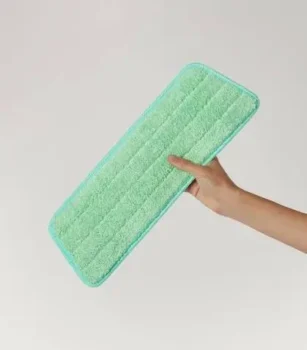
Microfiber mops are especially useful because their fine fibers can trap dirt and dust effectively. EPA cleaning guidance notes that microfiber mops are lightweight, easier to wring and can leave less water on floors compared with traditional cotton-style mops.
A deep cleaning mop does not automatically make every floor cleaner. The cleaning method, floor material, mop head, cleaning solution and frequency of cleaning all affect the final result.
Why Deep Cleaning Mops Are Useful
Hard floors collect dust, food particles, mud, pet hair and other debris throughout the day. A normal dry dusting routine can remove loose dirt, but damp mopping helps remove residue that remains attached to the floor.
The EPA recommends damp mopping smooth floors as part of regular cleaning in situations where controlling household dust matters.
A good mop can also reduce the amount of effort needed during cleaning. Features such as washable microfiber pads, swivel heads, spray systems and separate clean and dirty water systems can make everyday floor care more convenient.
Types of Mops to Consider
Different mop designs work better for different cleaning situations. Before buying one, consider the type of floor you have and how much cleaning you normally do.
| Mop Type | Best For | Main Advantage & Possible Limitation |
|---|---|---|
| Microfiber mop | Tile, vinyl, sealed hard floors | Traps dirt effectively; pads need regular washing |
| Spin mop | Larger hard-floor areas | Easy wringing; bucket takes storage space |
| Spray mop | Quick everyday cleaning | Convenient and lightweight; smaller water capacity |
| Steam mop | Suitable for sealed hard floors | Uses heated steam; not suitable for every floor |
| Sponge mop | Smooth floors | Good liquid absorption; sponge needs careful cleaning |
| String mop | General floor cleaning | Holds plenty of cleaning solution; can leave more water behind |
Microfiber is a strong choice for many households because it combines cleaning performance with easy maintenance. EPA information also explains that microfiber mop heads are lightweight and can be washed for repeated use.
Microfiber Mops for Deep Cleaning
Microfiber mops are among the most practical options for regular home cleaning. Their fine fibers can capture dust and dirt while allowing the mop head to remain relatively lightweight.
Another advantage is water control. A microfiber mop can often clean a floor with a smaller amount of moisture than a heavily soaked traditional mop, which can be useful for hard surfaces that should not remain wet for long.
Reusable microfiber pads can also reduce the need to purchase disposable cleaning pads repeatedly. However, proper washing matters because fabric softener can clog microfiber fibers and reduce their cleaning effectiveness.
Spin Mops for Larger Cleaning Jobs
Spin mops remain popular because they combine a mop head with a bucket that helps remove excess water. This design can be useful when cleaning kitchens, hallways, bathrooms and other larger floor areas.
The main benefit comes from controlling how wet the mop becomes. A mop that releases too much water can make floors slower to dry, while a properly wrung mop can provide enough moisture for cleaning without flooding the surface.
When using a spin mop, replace dirty water when necessary. EPA guidance recommends changing cleaning water when it becomes visibly dirty and using separate or cleaner water systems where appropriate.
Spray Mops for Everyday Cleaning
A spray mop is a convenient choice for people who want quick cleaning without carrying a bucket. The handle usually includes a small reservoir that sprays cleaning solution or water in front of the mop head.
This design works well for small spills and regular maintenance. However, a spray mop may not provide enough scrubbing power for floors with heavy grease, dried food or thick buildup.
For that reason, a spray mop is often better for maintenance cleaning than for extremely dirty floors. You may need a stronger mop head or additional cleaning steps when dealing with stubborn residue.
Steam Mops for Deep Cleaning
Steam mops use heated water to produce steam that helps loosen dirt on compatible hard surfaces. They can be convenient because they do not require the same type of bucket-and-mop setup used by traditional systems.
However, steam is not appropriate for every flooring material. Good Housekeeping’s testing guidance, for example, warns against using steam mops on hardwood or laminate floors and recommends checking floor compatibility.
You should always follow the flooring manufacturer’s instructions before using steam. A powerful cleaning method is only useful when it is safe for the surface being cleaned.
Deep Clean Mop Reviews – Features That Matter Most
When comparing mops, look beyond marketing claims and focus on features that affect everyday cleaning. A mop should be comfortable enough to use regularly and simple enough to maintain after each cleaning session.
| Feature | Why It Matters |
|---|---|
| Microfiber pad | Helps capture dust and dirt |
| Washable head | Reduces repeated pad replacement |
| Swivel head | Makes corners and furniture easier to reach |
| Adjustable handle | Improves comfort for different users |
| Spray control | Helps control moisture |
| Easy wringing | Reduces effort during cleaning |
| Scrubbing texture | Helps loosen stuck-on dirt |
| Lightweight design | Makes longer cleaning sessions easier |
| Replacement pads | Keeps the mop useful over time |
A swivel head can be especially helpful around table legs, cabinets and other obstacles. A washable pad can also make long-term ownership more convenient because you can clean the pad instead of replacing it after every use.
How to Choose a Mop for Different Floors
There is no single mop that works perfectly for every flooring material. Tile, vinyl, sealed hardwood, laminate and stone can have different care requirements.
Before using a cleaning solution or steam mop, check the flooring manufacturer’s instructions. Some surfaces can tolerate moisture and cleaning products well, while others can become damaged by excessive water or heat.
| Floor Type | Mop Approach |
|---|---|
| Ceramic tile | Microfiber or spin mop |
| Porcelain tile | Microfiber or spin mop |
| Vinyl | Damp microfiber mop |
| Sealed hardwood | Carefully controlled damp cleaning |
| Laminate | Minimal moisture and manufacturer-approved method |
| Natural stone | Product specifically approved for the stone |
Avoid assuming that more water means better cleaning. Excess moisture can create problems on flooring that is sensitive to water, so controlled damp cleaning is often the safer approach.
How to Get Better Results From Your Mop
The mop itself is only one part of effective floor cleaning. Start by removing loose dirt, dust, hair and larger debris before damp mopping.
This prevents the mop from pushing loose debris around the room. After that, use the correct amount of cleaning solution according to its label instead of adding extra product simply because the floor looks dirty.
The EPA advises following cleaning-product labels and warns against mixing household cleaning products.
Work systematically across the floor rather than repeatedly cleaning the same small area. Change the mop pad or cleaning water when it becomes dirty so that you do not spread collected dirt back across the floor.
Deep Clean Mop Reviews – How to Maintain a Mop
Mop maintenance is important because the cleaning tool itself collects dirt during use. A mop head that stays damp or dirty between cleaning sessions can develop unpleasant odors and become less effective.
Wash reusable microfiber pads after use and allow them to dry completely. EPA guidance recommends washing microfiber separately when possible and avoiding fabric softener because it can reduce microfiber performance.
Keep the mop handle, bucket, reservoir and other washable parts clean as well. Regular maintenance can extend the useful life of your mop and help it perform consistently.
Common Mistakes When Using a Mop
One common mistake is using too much cleaning solution. Extra cleaner does not necessarily produce a cleaner floor and can sometimes leave residue that makes the surface feel sticky.
Another mistake is using the same dirty mop pad throughout the entire house. EPA cleaning guidance recommends changing microfiber mop heads between areas in professional cleaning situations, especially when moving between rooms with different levels of soil.
People also sometimes use a steam mop simply because it appears more powerful. Steam can be useful on compatible surfaces, but the floor manufacturer’s instructions should always come first.
Are Expensive Mops Better?
A higher price does not automatically mean better cleaning. Some premium models offer useful extras such as multiple washable pads, stronger construction, adjustable handles, better water separation or improved maneuverability.
However, a simple microfiber mop can provide excellent everyday cleaning without complicated technology. The best mop is the one that matches your floor, cleaning habits, budget and maintenance routine.
Customer reviews can help identify recurring issues, but they should not be the only factor in your decision. Look for consistent comments about durability, cleaning performance, ease of use, replacement pads and long-term maintenance.
What to Look for in Customer Reviews
When reading online mop reviews, focus on specific experiences instead of general statements such as “amazing product.” Detailed reviews can reveal whether the mop performs well after repeated use.
Look for comments about how easily the mop removes dried spills, whether the handle remains stable, whether the mop head stays attached and how easy the washable pads are to clean.
For example, current customer reviews for one O-Cedar deep-clean microfiber spin mop listing show mixed experiences, demonstrating why it is useful to read both positive and negative feedback before buying.
What Is the Best Choice?
For many homes, a reusable microfiber mop is a practical starting point because it is lightweight, washable and suitable for many common hard-floor cleaning tasks. A spin mop may be better if you regularly clean larger areas and want convenient water control.
A spray mop can suit quick daily maintenance, while a steam mop can be useful when the flooring manufacturer specifically permits steam cleaning. The right choice depends less on having the most advanced mop and more on matching the tool to your cleaning needs.
How Often Should You Mop?
Cleaning frequency depends on household activity, pets, children, spills and the amount of dirt entering the home. High-traffic areas may need more frequent cleaning than rooms that are rarely used.
The EPA recommends routine damp mopping as part of dust-control practices in certain household situations.
A simple routine can include quick spot cleaning when spills happen and a more complete floor cleaning when dirt or residue becomes noticeable. Regular light cleaning is usually easier than waiting until the floor develops heavy buildup.
Conclusion
A mop should make cleaning easier rather than create additional work. When comparing options, consider the mop head material, water control, handle design, floor compatibility, replacement-pad availability and cleaning requirements.
Microfiber models are excellent for many everyday situations, while spin, spray and steam systems offer different advantages. Before buying, check your flooring manufacturer’s cleaning instructions and choose a mop designed for that surface.
The strongest choice is not necessarily the most expensive model. A well-designed mop that you can comfortably use, wash, maintain and store is more likely to become a useful part of your regular cleaning routine.
Frequently Asked Questions
What type of mop is best for deep cleaning?
A microfiber or spin mop can be a strong option for many hard floors because it combines dirt removal with controlled moisture. The best choice depends on the flooring material and the type of dirt you need to remove.
Are microfiber mops good for deep cleaning?
Yes, microfiber mops can be effective for removing dust and dirt from many hard floors. They are also lightweight and washable, which makes them practical for repeated cleaning.
Can I use a steam mop on every floor?
No. Steam mops are not suitable for every flooring material, including some hardwood and laminate surfaces. Always check the manufacturer’s instructions before using steam.
How often should I wash a microfiber mop pad?
Wash reusable microfiber pads after use, especially when they become visibly dirty. Proper washing helps preserve their cleaning performance and prevents accumulated dirt from being transferred to the next floor.
Why does my floor feel sticky after mopping?
Sticky floors can result from excessive cleaning product, insufficient rinsing, or residue left on the surface. Use the cleaning product according to its label and avoid adding more solution than recommended.
Is a spin mop better than a spray mop?
Neither is automatically better. A spin mop can provide better water control for larger cleaning jobs, while a spray mop is convenient for quick cleaning and smaller areas.
How can I make my mop last longer?
Clean the mop head after use, dry washable parts properly and replace worn pads when necessary. Follow the manufacturer’s care instructions and avoid cleaning chemicals that can damage the mop material.


