
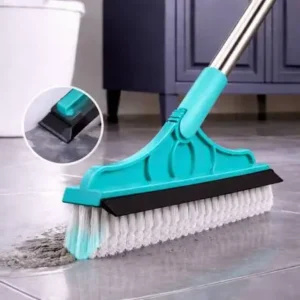
Keeping your floors clean is one of the easiest ways to maintain a healthy and attractive home. Dust, dirt, pet hair and food particles collect on floors every day. A good brush for floor helps remove these unwanted particles quickly and effectively without damaging the surface.
Many people choose cleaning tools based only on price. However, the right floor brush depends on your flooring material, cleaning needs and how often you clean. A well-designed brush saves time, protects your floors and makes everyday cleaning much easier.
This guide explains everything you need to know about choosing the best floor brush. You will also learn about different brush types, their benefits, maintenance tips and common mistakes to avoid.
Why Choosing the Right Floor Brush Matters
Cleaning becomes easier when you use the correct tool. A poor-quality brush may leave dirt behind or even scratch your flooring. A high-quality brush for floor removes dust efficiently while protecting delicate surfaces.
Different floor materials require different brush bristles. Hardwood floors need soft bristles, while concrete and outdoor surfaces often require stiff brushes.
Using the correct cleaning brush also reduces physical effort. You spend less energy while achieving better cleaning results.
Benefits of Using a Quality Floor Brush
A good floor brush offers more than simple cleaning. It improves hygiene, increases floor life and creates a healthier indoor environment.
| Benefit | Why It Matters |
|---|---|
| Better Dirt Removal | Cleans dust, dirt and debris from corners, edges and hard-to-reach areas. |
| Protects Flooring | Reduces the risk of scratches and helps preserve delicate floor surfaces. |
| Saves Cleaning Time | Covers larger areas efficiently, making daily cleaning faster. |
| Long-Term Durability | A quality floor brush lasts for years with proper care and maintenance. |
| Comfortable Cleaning | Ergonomic handles reduce hand and wrist fatigue during extended use. |
| Eco-Friendly | Minimizes the need for disposable cleaning products, reducing household waste. |
Choosing quality over price often saves money in the long run.
Different Types of Floor Brushes
Not every cleaning task needs the same brush. Manufacturers design different brushes for specific flooring materials.
Soft Bristle Brushes
Soft bristles work well on hardwood, laminate, vinyl and polished tile floors. They remove dust without leaving scratches. These brushes are ideal for daily household cleaning where gentle care is important.
Medium Bristle Brushes
Medium bristles provide balanced cleaning power. They remove everyday dirt while remaining safe for ceramic tiles and stone flooring. Most homeowners find these brushes suitable for regular indoor cleaning.
Stiff Bristle Brushes
Stiff brushes are perfect for garages, patios, driveways and concrete floors. They remove stubborn dirt, dried mud and heavy debris more effectively than softer brushes.
Rubber Floor Brushes
Rubber brushes attract pet hair and fine dust through static action. They are excellent for homes with dogs and cats because they lift hair from textured flooring.
Floor Brush Materials
The material of the brush affects durability and cleaning performance.
| Material | Best For | Durability |
|---|---|---|
| Nylon | Indoor floors such as tile, laminate and vinyl | High |
| Natural Fiber | Hardwood floors and other delicate surfaces | Medium |
| Polypropylene | Outdoor cleaning, garages, patios and concrete floors | High |
| Rubber | Removing pet hair, dust and fine debris from smooth surfaces | High |
| Coconut Fiber | Rough surfaces, stone flooring and heavy-duty scrubbing | High |
How to Choose the Best Brush for Your Floor Type
Selecting the correct brush for floor depends mainly on your flooring.
Hardwood Floors
Hardwood floors scratch easily. Always choose soft synthetic or natural bristles. Avoid metal or extremely stiff brushes because they can damage the finish.
Tile Floors
Tiles are durable, but grout lines collect dirt. Medium-bristle brushes clean grout effectively without excessive effort.
Laminate Flooring
Laminate requires gentle cleaning. Soft brushes prevent scratches while removing dust and crumbs.
Vinyl Flooring
Vinyl surfaces benefit from soft brushes because they preserve the protective coating. Aggressive scrubbing should be avoided.
Concrete Floors
Concrete is strong enough for stiff-bristle brushes. Heavy-duty brushes remove dried dirt, grease and outdoor debris efficiently.
Features to Look for Before Buying
Several important features improve cleaning comfort and efficiency.
| Feature | Importance |
|---|---|
| Ergonomic Handle | Reduces wrist strain and provides a comfortable grip during cleaning. |
| Adjustable Handle | Fits users of different heights for improved comfort and control. |
| Durable Bristles | Last longer and maintain effective cleaning performance over time. |
| Lightweight Design | Makes the brush easier to carry, push and maneuver around furniture. |
| Hanging Hole | Allows convenient storage and helps keep the brush dry and organized. |
| Water Resistance | Prevents damage from moisture and extends the brush’s lifespan. |
Comfort is just as important as cleaning performance.
Manual Brush vs Push Brush
Many homeowners wonder which option works better.
| Manual Brush | Push Brush |
|---|---|
| Better for Small Spaces | Ideal for Large Areas |
| Offers greater control for cleaning corners, stairs and tight spaces. | Cleans wide floor areas quickly with less effort. |
| Requires less storage space due to its compact size. | Covers more surface in each sweep, improving efficiency. |
| More affordable and suitable for everyday household cleaning. | Commonly used for commercial, industrial and large residential spaces. |
Choose the option that matches your cleaning routine.
Indoor vs Outdoor Floor Brushes
Indoor brushes usually have softer bristles that protect the flooring. Outdoor brushes use stronger materials for rough surfaces like patios and garages. Using indoor brushes outside causes faster wear and reduces cleaning performance.
How Often Should You Replace a Floor Brush?
A quality brush for floor can last several years with proper maintenance.
Replace your brush when you notice:
- Bent bristles
- Loose handle
- Poor cleaning performance
- Broken brush head
- Permanent dirt buildup
Cleaning tools work best when they remain in good condition.
Cleaning and Maintaining Your Floor Brush
Proper maintenance extends the life of your brush. After every cleaning session, remove trapped hair and debris. Wash the brush with warm water and mild soap every few weeks. Allow it to dry completely before storing it. Store brushes hanging whenever possible. This protects the bristles from bending.
Common Mistakes People Make
Many homeowners unknowingly shorten the lifespan of their cleaning tools.
| Common Mistake | Better Choice |
|---|---|
| Buying Only by Price | Compare quality, durability and features before purchasing. |
| Using Stiff Brushes on Wood Floors | Match the brush type to your flooring to prevent scratches. |
| Storing Wet Brushes | Let the brush dry completely before storing it to prevent mold and damage. |
| Ignoring Bristle Wear | Replace the brush when the bristles become bent or worn out. |
| Using One Brush for Every Surface | Keep separate brushes for indoor and outdoor cleaning to improve hygiene and performance. |
Avoiding these mistakes keeps both your brush and flooring in better condition.
Eco-Friendly Floor Cleaning
Many people now prefer environmentally friendly cleaning methods. Instead of disposable cleaning products, invest in a reusable brush for floor made from durable materials. Pair it with natural cleaning solutions such as vinegar and warm water for many floor types. Reusable cleaning tools reduce household waste and lower long-term costs.
Tips for Better Floor Cleaning Results
Professional cleaners follow simple habits that improve results.
- Sweep high-traffic areas daily.
- Move furniture regularly to clean hidden dust.
- Clean spills immediately before stains develop.
- Wash your brush frequently to prevent dirt transfer.
- Use separate brushes for indoor and outdoor areas.
These small habits make a noticeable difference over time.
Signs You Need a New Floor Brush
Even the best cleaning tools eventually wear out. Replace your brush if cleaning requires more effort than before. Visible bristle damage is another clear sign. A loose handle also reduces cleaning efficiency and safety. Investing in a new brush often improves cleaning results immediately.
Frequently Asked Questions
What is the best brush for cleaning floors?
The best option depends on your flooring. Soft-bristle brushes work well on hardwood and laminate, while medium or stiff brushes are better for tile and concrete.
Can I use one floor brush for every surface?
It is better to use different brushes for different surfaces. This prevents scratches and improves cleaning performance.
How long does a floor brush last?
A quality floor brush usually lasts one to three years, depending on usage and maintenance.
Are rubber floor brushes good for pet hair?
Yes. Rubber brushes are excellent for collecting pet hair because they create static that attracts loose fur.
How should I clean my floor brush?
Wash it with warm water and mild soap. Remove trapped hair and allow it to dry completely before storage.
Should I replace bent bristles?
Yes. Bent or damaged bristles reduce cleaning efficiency and may spread dirt instead of removing it.
Conclusion
Choosing the right brush for floor is a simple decision that can greatly improve your cleaning routine. The correct brush removes dirt more efficiently, protects flooring and lasts much longer than low-quality alternatives.
Always consider your floor type before making a purchase. Soft brushes protect delicate surfaces, while stiff brushes handle outdoor cleaning with ease. Quality materials, comfortable handles and proper maintenance all contribute to better performance.
A reliable floor brush is not just another household tool. It is an investment in cleaner floors, healthier living spaces and easier daily cleaning.


