
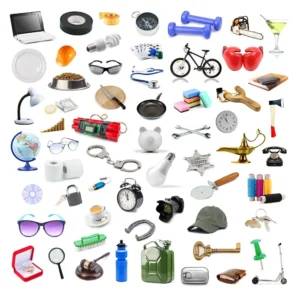
Most people use dozens of objects every day without giving them much thought. These objects support cooking, cleaning, work, comfort, safety and personal care.
The term commonplace items describes ordinary things that people often see, use, or keep nearby. A commonplace thing is generally familiar, common and not considered unusual.
A toothbrush, spoon, chair, phone, towel and notebook may seem simple. However, each item serves an important purpose in daily life.
What Are Commonplace Items?
The phrase commonplace items refers to ordinary objects used or seen regularly in daily life. These things often become so familiar that people rarely notice their importance.
Dictionary sources describe commonplace as something ordinary, frequently seen, or not considered special. The word can also describe something commonly found.
These objects can appear at home, school, work, stores and public spaces. Their main value usually comes from usefulness rather than rarity.
For example, a spoon helps people eat food quickly and easily. A chair provides support and comfort while someone sits.
Why Common Items Matter in Daily Life
Ordinary objects help people complete simple tasks with less effort. Without them, daily routines would take more time and require more physical work.
A kitchen knife helps prepare ingredients, while a refrigerator keeps many foods cold. A washing machine can also reduce the time needed for laundry.
Many commonplace items support comfort, hygiene, organization and safety. They may look ordinary, but they often make modern life more efficient.
People usually notice these objects when they stop working or disappear. A broken light bulb or missing phone charger can quickly disturb a normal routine.
Commonplace Items Found in the Kitchen
The kitchen contains many objects that support food preparation and storage. Some items are basic tools, while others use modern technology.
Plates, bowls, cups, forks and spoons appear in most homes. These items help people prepare, serve and eat meals comfortably.
Cooking tools also play an important role in daily life. A knife, cutting board, pan, pot and spatula support many cooking tasks.
Kitchen appliances can make larger tasks easier and faster. Refrigerators, blenders, microwaves and kettles are common examples of useful home equipment.
Common Kitchen Items and Their Uses
| Item | Main Use | Why It Is Useful |
|---|---|---|
| Spoon | Eating and serving | Supports daily meals |
| Knife | Cutting food | Helps prepare ingredients |
| Cutting board | Food preparation | Protects kitchen surfaces |
| Frying pan | Cooking | Useful for many meals |
| Refrigerator | Food storage | Keeps many foods cold |
| Blender | Mixing ingredients | Helps make drinks and sauces |
| Kettle | Heating water | Supports tea and other hot drinks |
Kitchen tools may seem basic, but they support one of life’s most important activities. Good tools can improve speed, comfort and organization during cooking.
Everyday Items Used for Cleaning
Cleaning products and tools help people maintain a comfortable living space. These objects remove dust, dirt, spills and other unwanted materials.
A broom can clean floors, while a mop handles many wet surfaces. A vacuum cleaner can remove dust and debris from carpets and floors.
Sponges, brushes, cloths and cleaning sprays also serve different purposes. Choosing the right tool can make cleaning easier and more effective.
Many households store cleaning supplies in one central location. This practice can help family members find the correct products quickly.
Some cleaning objects require regular replacement or maintenance. Worn sponges, damaged brushes and empty containers should not remain in active use.
Personal Care Commonplace Items
Personal care objects support hygiene and comfort throughout the day. People often use these items during morning and evening routines.
A toothbrush and toothpaste help support regular oral care. Soap, shampoo, towels, combs and mirrors also appear in many bathrooms.
These commonplace items may vary according to personal habits and family needs. However, their main purpose remains connected to cleanliness and daily care.
A simple routine can become difficult when an important item is missing. For example, many people immediately notice when they cannot find a towel or toothbrush.
Personal Care Items at a Glance
| Item | Common Location | Main Purpose |
|---|---|---|
| Toothbrush | Bathroom | Cleaning teeth |
| Toothpaste | Bathroom | Supporting oral hygiene |
| Soap | Bathroom or kitchen | Washing hands and body |
| Towel | Bathroom | Drying after washing |
| Comb | Bedroom or bathroom | Grooming hair |
| Mirror | Bathroom or bedroom | Personal grooming |
Personal care items support healthy routines and help people feel clean and prepared. Their simple design often hides their daily importance.
Common Items in the Living Room
The living room usually contains objects related to comfort and relaxation. Furniture and entertainment devices often make this space useful for families and guests.
A sofa provides seating, while a table offers a surface for books, drinks, or decorations. Lamps also provide light for reading and other activities.
Many homes include a television and remote control in this area. These devices support entertainment and shared family time.
A living room may also contain shelves, rugs, clocks and storage units. Each object can improve comfort or help organize the space.
Household object guides often group everyday items by rooms because this makes them easier to understand and identify. Kitchens, bedrooms, bathrooms and living rooms each contain items for different tasks.
Bedroom Items People Use Every Day
Bedrooms contain objects connected with rest, storage and personal comfort. A bed is usually the most important item in the room.
Pillows, blankets and sheets support comfortable sleep. A wardrobe, closet, or dresser helps organize clothing and personal belongings.
Alarm clocks and phones may also help people manage their schedules. Lamps can provide soft lighting for reading before sleep.
Some bedroom objects are used every day, while others serve seasonal needs. Extra blankets, heaters and fans may become more important during certain weather conditions.
A well-organized bedroom can make daily routines feel easier and less stressful. Storage solutions also reduce clutter and improve available space.
Commonplace Items for School and Work
Students and workers depend on many ordinary tools to complete daily tasks. Pens, notebooks, computers, phones and chargers are familiar examples.
A pen may seem simple, but it allows people to record ideas quickly. A notebook provides a space for lessons, plans, reminders and important information.
Digital devices have also become a major part of daily routines. Computers and smartphones support communication, research, education and work.
The exact tools may change as technology develops. However, the need for practical objects remains important in almost every environment.
Useful School and Work Objects
| Item | Common Use | Typical User |
|---|---|---|
| Pen | Writing | Students and workers |
| Notebook | Taking notes | Students and professionals |
| Computer | Digital tasks | Workers and learners |
| Phone | Communication | Most adults and teenagers |
| Charger | Powering devices | Device users |
| Backpack | Carrying belongings | Students and travelers |
Modern workspaces often combine physical and digital tools. The best setup depends on the task, available space and personal needs.
Common Items and Home Organization
Organization depends on simple objects that store and arrange belongings. Containers, shelves, boxes, baskets and labels can reduce visual clutter.
A storage box can keep seasonal items together and protected. A basket can provide quick storage for smaller objects.
People can organize items by room, purpose, or frequency of use. This method makes it easier to find important objects when needed.
Many commonplace items become more useful when they have a clear storage location. Good organization can also reduce unnecessary purchases.
For example, people sometimes buy duplicate tools because they cannot find the original one. A simple storage system can prevent this problem.
How to Choose Useful Everyday Items
Choosing useful objects does not always mean buying expensive products. The best option should match the user’s actual needs.
First, consider how often the item will be used. A tool used every day may deserve stronger materials and better construction.
Next, consider size and available storage space. A large appliance may not suit a small home or apartment.
Cleaning and maintenance also matter when choosing household products. Easy-to-clean items can save time and reduce long-term effort.
Durability should also influence the decision. A useful item should provide good value throughout its expected working life.
Commonplace Items Can Support Better Routines
Daily routines become easier when important objects remain available and organized. Small changes can improve how people use their homes.
Keeping keys in one location can reduce morning stress. Placing a charging station near a useful outlet can also simplify device management.
Kitchen organization can improve meal preparation. When frequently used tools remain easy to reach, people waste less time searching.
The same idea applies to cleaning supplies and personal care products. Simple organization can turn ordinary objects into efficient daily tools.
The Role of Technology in Everyday Objects
Technology has changed many objects that people once considered simple. Traditional products now often include digital or automated features.
For example, smart speakers can respond to voice commands. Robot vacuums can clean certain areas with limited direct control.
Smart lights and connected appliances can also offer additional convenience. However, technology does not automatically make every product better.
Users should choose features that solve real problems. A simple and reliable object may sometimes provide more value than a complicated device.
Today, technology itself has become increasingly commonplace in many daily settings. Cambridge also describes commonplace as something frequently seen or experienced.
How Common Items Change Over Time
Objects can move from rare to ordinary as society and technology change. Products that once seemed advanced may later become normal parts of daily life.
Mobile phones provide a clear example of this change. Many people now consider them standard tools for communication and information.
The same pattern can happen with smart home devices and electric vehicles. As access increases, people may see these products more often.
This process changes what people consider normal. Commonplace does not mean unimportant; it simply means familiar and widely encountered.
Sustainable Use of Everyday Items
People can reduce waste by using products carefully and replacing them only when necessary. Proper maintenance can also help some items last longer.
Reusable containers, durable tools and repairable products may reduce unnecessary waste. However, each product should still suit the user’s practical needs.
Donating usable items can also help extend their working life. Recycling may provide another option when materials can no longer serve their original purpose.
Consumers should avoid buying unnecessary duplicates. Planning purchases can save money and reduce clutter at home.
Frequently Asked Questions
What are commonplace items?
Commonplace items are ordinary objects that people regularly see, use, or keep in daily life. Examples include phones, chairs, spoons, towels and notebooks.
What is the difference between common and commonplace?
Both words can describe something ordinary or frequently found. Commonplace often adds the idea that something is so familiar that people no longer consider it unusual.
Are household items considered commonplace?
Yes, many household products are considered commonplace because people use them for regular daily tasks. Kitchen tools, furniture, cleaning supplies and bathroom products are common examples.
Why are commonplace items important?
These objects support essential activities such as eating, cleaning, working, resting and personal care. Their importance often becomes clear when they are missing or damaged.
How can I organize everyday items better?
Group items by purpose and store frequently used objects in easy-to-reach places. Labels, shelves, baskets and containers can also improve organization.
Can technology turn ordinary objects into smart items?
Yes, technology can add digital features to many household products. Smart lights, connected speakers and automated cleaning devices are common examples.
Conclusion
The objects around us may look ordinary, but they support almost every part of daily life. From a simple toothbrush to a powerful home appliance, each product serves a purpose.
Understanding commonplace items can help people organize their homes and make smarter buying decisions. It can also encourage people to value the tools they use every day.
The most useful items are not always the most expensive or advanced. They are the objects that solve everyday problems and make life easier.


