
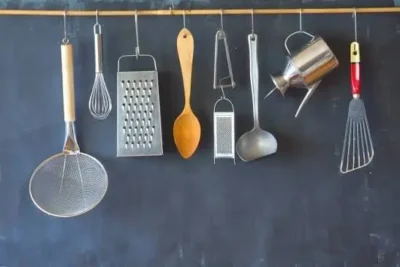
Cooking becomes easier, faster and more enjoyable when you have the right equipment. Whether you prepare simple family meals or experiment with new recipes, all cooking tools help you achieve better results with less effort. Every kitchen needs a combination of basic utensils, cutting tools, cookware and measuring equipment to create delicious food safely and efficiently.
Many beginners buy unnecessary gadgets before learning which tools they actually need. This guide explains all cooking tools that every home cook should know. You will also learn how to choose quality equipment, maintain it properly and build a practical kitchen without spending too much money.
Why All Cooking tools Matter in Every Kitchen
Using all cooking tools correctly improves cooking speed, food quality and kitchen safety. Each tool performs a specific task that saves time while reducing mistakes during meal preparation.
A sharp knife cuts vegetables evenly, while accurate measuring cups improve baking results. Good cookware distributes heat properly, helping food cook evenly without burning. The right tools make cooking easier for beginners and more enjoyable for experienced cooks.
Categories of All Cooking Tools
The easiest way to understand all cooking tools is by grouping them into different categories. Each category serves a unique purpose inside the kitchen.
| Category | Main Purpose | Common Examples |
|---|---|---|
| Cutting Tools | Food preparation | Chef’s knife, paring knife |
| Cookware | Cooking food | Frying pan, saucepan |
| Baking Tools | Baking recipes | Mixing bowls, baking trays |
| Measuring Tools | Accurate ingredients | Measuring cups, spoons |
| Mixing Tools | Mixing ingredients | Whisk, spatula |
| Small Kitchen Gadgets | Everyday convenience | Peeler, can opener |
Essential Cutting Tools
Every meal starts with proper food preparation. Cutting tools are among the most important kitchen essentials because almost every recipe requires chopping, slicing, or dicing ingredients.
Chef’s Knife
A chef’s knife is the most versatile kitchen knife. You can use it for vegetables, fruits, herbs, meat and many other ingredients. A high-quality chef’s knife can replace several smaller knives.
Paring Knife
The paring knife handles smaller jobs like peeling fruits, trimming vegetables and cutting delicate ingredients with precision.
Bread Knife
Its long serrated blade slices bread without crushing it. It also works well for tomatoes and soft fruits.
Kitchen Shears
Kitchen scissors quickly trim herbs, cut poultry and open food packages. They save time during meal preparation.
Must-Have Cookware
Cookware forms the foundation of every kitchen. Good pots and pans improve cooking performance and last for many years with proper care.
| Cookware | Best Used For |
|---|---|
| Frying Pan | Frying eggs, vegetables, meat |
| Saucepan | Soups, sauces, pasta |
| Stock Pot | Large meals and boiling |
| Dutch Oven | Slow cooking and stews |
| Grill Pan | Indoor grilling |
| Wok | Stir-frying |
Frying pan
A non-stick frying pan works perfectly for eggs, pancakes and delicate foods. Stainless steel pans provide better browning for meat and vegetables.
Saucepan
A saucepan prepares sauces, oatmeal, rice, soups and boiling water quickly. Most kitchens need at least two different saucepan sizes.
Dutch Oven
The Dutch oven retains heat extremely well. It cooks soups, roasts, stews and homemade bread beautifully.
Measuring Tools for Better Results
Accurate measurements create consistent recipes, especially when baking. Every kitchen should include complete measuring equipment.
Measuring Cups
Dry measuring cups work for flour, sugar, rice and oats. Liquid measuring cups provide accurate measurements for milk, oil and water.
Measuring Spoons
Small ingredient amounts require measuring spoons. Salt, spices, baking powder and vanilla extract become more accurate with proper measurements.
Kitchen Scale
A digital kitchen scale offers the highest level of accuracy. Professional chefs often prefer weighing ingredients instead of measuring by volume.
Accurate measurements reduce cooking errors and improve recipe consistency.
Mixing Tools Every Cook Needs
These tools help combine ingredients evenly while protecting cookware from damage.
Mixing Bowls
These bowls come in stainless steel, glass and plastic. Having several sizes makes food preparation easier.
Whisk
A whisk blends eggs, sauces, pancake batter and whipped cream quickly while adding air into mixtures.
Silicone Spatula
Silicone spatulas scrape bowls clean and safely stir non-stick cookware without scratching surfaces.
Wooden Spoon
Wooden spoons remain cool during cooking and work well with nearly every type of cookware.
Food Preparation Tools
Food preparation becomes much faster with the right kitchen gadgets.
Vegetable Peeler
A vegetable peeler removes potato, carrot and cucumber skins quickly while wasting very little food.
Grater
Graters shred cheese, vegetables, chocolate, garlic and citrus zest. Many kitchens benefit from having a box grater.
Garlic Press
Although optional, garlic presses save time when recipes require fresh garlic.
Colander
A colander drains pasta, washes vegetables and rinses fruits efficiently.
Baking Tools Every Kitchen Should Own
Even if you bake only occasionally, basic baking equipment provides excellent value.
| Baking Tool | Purpose |
|---|---|
| Baking Sheet | Cookies and vegetables |
| Cake Pan | Cakes and desserts |
| Muffin Pan | Muffins and cupcakes |
| Cooling Rack | Cooling baked foods |
| Rolling Pin | Dough preparation |
These tools allow beginners to prepare homemade bread, cookies, cakes, pizza and pastries with confidence.
Heat-Resistant Cooking Utensils
Cooking requires utensils that withstand high temperatures safely.
Silicone spatulas resist melting while protecting non-stick cookware. Stainless steel tongs safely flip meat and vegetables during grilling or frying. Heat-resistant ladles serve soups without bending or breaking.
Choosing durable utensils improves safety and extends the life of your cookware.
Storage Tools That Keep Food Fresh
Proper food storage reduces waste and keeps ingredients organized.
Glass food containers preserve leftovers while allowing easy reheating. Airtight containers protect dry ingredients like rice, flour, sugar and pasta from moisture.
Food storage bags also help freeze vegetables, meat and prepared meals for future use.
How to Choose High-Quality All Cooking Tools
Not every kitchen tool offers the same quality. Buying fewer high-quality items often saves money over time.
Look for stainless steel construction, comfortable handles, solid weight and positive customer reviews. Quality cookware distributes heat evenly while durable utensils resist bending or breaking after regular use.
Investing in reliable kitchen equipment provides better cooking performance and longer product life.
How to Organize All Cooking Tools for Maximum Efficiency
Keeping your kitchen organized saves time during meal preparation. Store frequently used utensils like spatulas, wooden spoons and measuring cups near the stove for quick access. Place knives in a knife block or magnetic strip to keep the blades sharp and improve kitchen safety.
Arrange pots, pans and lids together inside lower cabinets because they are heavier than other kitchen items. Keep baking tools in one section and food storage containers in another. An organized kitchen helps you cook faster and reduces unnecessary stress.
How to Clean and maintain All Cooking Tools
Proper maintenance extends the life of all cooking tools and keeps your kitchen hygienic. Always wash utensils after use and dry them completely before storing them. Moisture can cause rust on certain metal tools and reduce their lifespan.
Sharpen kitchen knives regularly because sharp blades cut more safely than dull ones. Replace damaged cutting boards when they develop deep grooves that trap bacteria. Clean wooden utensils with mild soap and avoid soaking them in water for long periods.
Kitchen tool Maintenance Guide:
| Kitchen Tool | Cleaning Method | Maintenance Tip |
|---|---|---|
| Chef’s Knife | Hand wash only | Sharpen every few months |
| Cutting Board | Warm soapy water | Replace if deeply scratched |
| Non-Stick Pan | Soft sponge only | Avoid metal utensils |
| Stainless Steel Pan | Mild detergent | Dry immediately |
| Wooden Spoon | Hand wash | Oil occasionally to prevent cracking |
| Measuring Cups | Dishwasher or hand wash | Store together |
Regular maintenance keeps your cooking tools safe, clean and ready for everyday use.
Common Mistakes people Make When Buying Kitchen Tools
Many beginners spend money on trendy gadgets that they rarely use. Instead of buying dozens of specialty tools, focus on versatile kitchen essentials that serve multiple purposes.
Another common mistake is choosing the cheapest products available. Low-quality utensils often bend, rust, or wear out quickly. Buying durable kitchen tools saves money over time because they last much longer.
Some people also ignore comfort when choosing tools. Handles should feel secure and comfortable because you will use them frequently while cooking.
Essential Kitchen Setup for Beginners
You do not need a professional kitchen to cook delicious meals. A small collection of quality tools can handle most everyday recipes.
A beginner kitchen should include:
- Chef’s knife
- Cutting board
- Frying pan
- Saucepan
- Mixing bowls
- Measuring cups
- Measuring spoons
- Silicone spatula
- Wooden spoon
- Whisk
- Tongs
- Vegetable peeler
- Colander
These basic items cover almost every daily cooking task without filling your kitchen with unnecessary equipment.
Advanced Cooking Tools for Experienced Home Chefs
After mastering the basics, many home cooks upgrade their kitchens with specialized equipment. These tools increase convenience and allow you to prepare more advanced recipes.
Popular advanced tools include food processors, stand mixers, immersion blenders, digital thermometers, cast iron skillets, mandolines, pasta makers and pressure cookers. While these items are not essential for beginners, they improve efficiency for people who cook frequently.
Manual Tools vs Electric kitchen Appliances
Both manual and electric tools have important roles in modern kitchens. Manual tools require more effort but usually cost less and last longer. Electric appliances save time, especially when preparing large meals.
| Manual Tool | Electric Alternative | Best Choice For |
|---|---|---|
| Whisk | Hand Mixer | Baking |
| Knife | Food Processor | Chopping Large Quantities |
| Grater | Electric Grater | Cheese and Vegetables |
| Potato Masher | Stand Mixer | Mashed Potatoes |
| Can Opener | Electric Can Opener | Convenience |
Choosing between manual and electric equipment depends on your cooking habits, kitchen space and budget.
Safety Tips When Using All Cooking Tools
Kitchen safety should always come first. Use each tool for its intended purpose to reduce the risk of injury. Keep knife blades sharp because dull knives require more force and are more likely to slip.
Always turn pot handles inward while cooking to prevent accidental spills. Wear oven mitts when handling hot cookware and never leave cooking food unattended.
Safe cooking habits protect both you and your kitchen equipment.
How to Build Your Kitchen on a Budget
Building a complete kitchen does not require purchasing everything at once. Start with the most important essentials and gradually expand your collection as your cooking skills improve.
Choose quality over quantity whenever possible. One excellent chef’s knife performs better than several inexpensive knives. Durable cookware also lasts for years, making it a smarter investment.
Watch for seasonal sales, bundle deals and cookware sets to reduce overall costs without sacrificing quality.
Frequently Asked Question
What are the basic all cooking tools every beginner needs?
Every beginner should have a chef’s knife, cutting board, frying pan, saucepan, measuring cups, measuring spoons, mixing bowls, spatula, whisk, wooden spoon, vegetable peeler and colander. These tools cover most daily cooking tasks.
How often should I replace kitchen tools?
Replace kitchen tools only when they become damaged, unsafe, or no longer perform properly. High-quality kitchen tools can last for many years with proper care.
Are expensive cooking tools worth buying?
Not every expensive tool offers better value. However, investing in high-quality knives, cookware and measuring tools usually provides better performance and longer durability.
Which material is best for kitchen utensils?
Stainless steel offers excellent durability, while silicone protects non-stick cookware. Wooden utensils remain popular because they are gentle on cookware and comfortable to use.
How do I keep my kitchen tools organized?
Store similar tools together, keep frequently used items within easy reach and use drawer organizers, knife blocks, or magnetic strips to maximize kitchen space.
Conclusion
Having all cooking tools does not mean filling every cabinet with expensive gadgets. The goal is to own practical, durable and reliable equipment that supports everyday cooking. All cooking tools work together to make meal preparation easier, improve cooking results and increase confidence in the kitchen.
Whether you are just starting or upgrading your current kitchen, investing in quality essentials provides long-term value. Focus on versatile tools that serve multiple purposes, maintain them properly and organize them well. With the right equipment, every meal becomes easier to prepare and more enjoyable to cook.


