
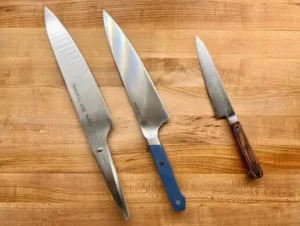
Cooking becomes easier, faster and safer when you use the right tools. Every recipe begins with preparing ingredients and that is why cutting tools in cooking play an important role in every kitchen. They help you cut vegetables, slice meat, chop herbs and prepare food with better speed and accuracy.
Many people think that all kitchen knives do the same job, but each cutting tool has a different purpose. Using the correct tool improves food quality, saves time and reduces waste. This guide explains everything you need to know about kitchen cutting tools in simple English.
What Are Cutting Tools in Cooking?
Cutting tools in cooking are kitchen tools that help prepare ingredients by cutting, slicing, chopping, peeling, trimming or carving food. They are designed to simplify food preparation while enhancing safety and efficiency. Both professional chefs and home cooks rely on these tools every day.
Different foods need different cutting tools because every ingredient has its own texture and size. Soft fruits require different blades than hard vegetables or raw meat. Choosing the right cutting tool makes cooking more enjoyable and produces better results.
Why Are Cutting Tools Important in the Kitchen?
Good cutting tools improve the quality of your meals because they create clean and even cuts. Even-sized pieces cook at the same rate, which helps food taste better and look more attractive. This simple improvement can make every recipe more successful.
Sharp tools also reduce the amount of force needed while cutting. A sharp knife is actually safer than a dull one because it is less likely to slip. Proper cutting equipment also protects ingredients from unnecessary damage.
Common Types of Cutting Tools Used in Cooking
Many kitchens contain several cutting tools because each one performs a specific task. Understanding their purpose helps you prepare meals with confidence and accuracy.
| Cutting Tool | Primary Use | Best For |
|---|---|---|
| Chef’s Knife | Chopping and slicing | Vegetables, meat, herbs |
| Paring Knife | Small cutting jobs | Fruits, peeling, trimming |
| Bread Knife | Cutting bread | Bread, cakes, soft pastries |
| Utility Knife | Everyday cutting | Sandwiches, vegetables |
| Kitchen Shears | Snipping and trimming | Herbs, poultry, packaging |
| Cleaver | Heavy-duty chopping | Bones and large meat cuts |
Each tool serves a different purpose, so building a basic collection improves your cooking experience. Beginners can start with only a few essential knives before adding specialized equipment.
Chef’s Knife – The Most Important Kitchen Tool
The chef’s knife is often called the heart of every kitchen. It performs many tasks, including chopping vegetables, slicing meat, dicing onions and mincing herbs. Most chef’s knives measure between 8 and 10 inches, making them suitable for daily cooking.
A quality chef’s knife should feel balanced and comfortable in your hand. Proper grip and control improve safety while producing cleaner cuts. Many professional chefs use this knife for nearly eighty percent of their food preparation.
Paring Knife for Small and Detailed Tasks
A paring knife has a short blade that gives excellent control. It works well for peeling apples, removing seeds, trimming vegetables and creating decorative fruit designs. Small cutting jobs become easier with this compact knife.
The narrow blade allows precise movements without damaging delicate foods. Many home cooks use a paring knife every day because it handles detailed kitchen work efficiently.
Bread Knife for Soft Foods
Bread has a soft center and a firm crust, so it requires a serrated blade. A bread knife cuts through the crust without crushing the inside. Cakes, pastries and large tomatoes also benefit from this type of knife.
The saw-like edge keeps slices neat and attractive. Using a regular knife often flattens bread, while a bread knife creates clean slices with little effort.
Utility Knife – A Multi-Purpose Kitchen Helper
A utility knife fits between a chef’s knife and a paring knife in size. It handles medium-sized cutting tasks that do not require a large blade. Many people use it for slicing cheese, cutting sandwiches and preparing fruits.
This knife offers flexibility for daily cooking because it works well with many ingredients. It is an excellent choice for cooks who want one knife for several simple jobs.
Kitchen Shears Are More Than Just Scissors
Kitchen shears are strong scissors designed for food preparation. They trim chicken, cut herbs, open food packages and even slice pizza. Their sturdy construction makes them stronger than ordinary household scissors.
Many kitchen shears come apart for easy cleaning, which helps maintain good hygiene. Keeping them clean prevents bacteria from spreading between different foods.
How to Choose the Best Cutting Tool
Choosing the right tool depends on the type of food you prepare most often. Comfort, blade material, handle design and balance all affect cutting performance. Investing in quality tools saves money because they last much longer.
The following table shows what to consider before buying kitchen cutting equipment.
| Buying Factor | Why It Matters |
|---|---|
| Blade Material | Determines sharpness and durability |
| Handle Comfort | Improves grip and safety |
| Weight | Affects control and ease of use |
| Blade Length | Matches different cooking tasks |
| Maintenance | Influences long-term performance |
A comfortable knife encourages proper cutting technique and reduces hand fatigue. Always choose quality over quantity when building your kitchen collection.
Different Blade Materials Used in Kitchen Cutting Tools
The material of a blade affects its sharpness, strength and lifespan. High-quality blades stay sharp longer and require less maintenance. Choosing the right material helps improve both cooking performance and safety.
Stainless steel is the most popular choice because it resists rust and is easy to maintain. Carbon steel becomes extremely sharp but requires regular care to prevent rust. Ceramic blades stay sharp for a long time, but they can chip if dropped.
| Blade Material | Advantages | Disadvantages |
|---|---|---|
| Stainless Steel | Rust-resistant, durable, easy to clean | Needs occasional sharpening |
| Carbon Steel | Very sharp, easy to sharpen | Can rust without proper care |
| Ceramic | Lightweight, stays sharp longer | Brittle and may chip |
| High-Carbon Stainless Steel | Strong, sharp, rust-resistant | More expensive |
Choosing the Right Cutting Board
A good cutting board works together with your knife to improve cutting performance. It also protects your countertop and helps keep your knife sharp. Using the right cutting board extends the life of your knives.
Wooden cutting boards are gentle on knife edges and last for many years with proper care. Plastic boards are easy to sanitize and work well when preparing raw meat. Bamboo boards are lightweight, eco-friendly and resistant to moisture.
| Cutting Board Type | Best For | Benefits |
|---|---|---|
| Wooden | Fruits, vegetables, bread | Protects knife edges |
| Plastic | Raw meat and poultry | Easy to sanitize |
| Bamboo | Everyday food preparation | Durable and eco-friendly |
| Composite | Heavy daily use | Strong and long-lasting |
How to Use Cutting Tools Safely
Learning proper knife safety prevents accidents in the kitchen. Always hold the knife firmly and keep your fingers curled away from the blade. Stable cutting techniques improve both speed and confidence.
Never cut food while holding it in the air because this increases the chance of injury. Place ingredients on a stable cutting board before making each cut. Safe habits protect both the cook and the food being prepared.
Proper Knife Grip and Cutting Technique
A proper grip gives better control over every cut. Most chefs recommend holding the blade near the handle with your thumb and index finger. This grip improves balance and reduces hand fatigue during long cooking sessions.
Keep the tip of the knife touching the cutting board when chopping vegetables. Rock the blade forward and backward instead of lifting it straight up. This technique creates smooth, efficient cuts with less effort.
Knife Maintenance and Care
Proper maintenance keeps kitchen knives sharp and safe for many years. Wash knives by hand with warm water and mild soap after every use. Dry them immediately to prevent water spots and rust.
Avoid placing quality knives in the dishwasher because strong detergents and high heat may damage the blade and handle. Store knives safely in a knife block, magnetic strip, or protective sheath.
Why Regular Sharpening Matters
Even the best knife becomes dull after frequent use. Regular sharpening restores the blade and improves cutting performance. Sharp knives require less pressure and reduce the risk of slipping.
Sharpen your knives whenever you notice that cutting becomes difficult. Home cooks usually sharpen their knives every few months, depending on how often they cook.
| Knife Condition | Performance | Safety Level |
|---|---|---|
| Sharp | Smooth and precise cuts | High |
| Slightly Dull | Requires more force | Moderate |
| Very Dull | Tear food instead of slicing | Low |
Common Mistakes People Make with Kitchen Cutting Tools
Many beginners shorten the life of their knives by using them incorrectly. Cutting frozen food with a regular chef’s knife may damage the blade. Using glass or stone cutting boards also causes knives to become dull much faster.
Another common mistake is leaving knives wet after washing. Moisture can damage certain blade materials over time. Simple maintenance habits help expensive kitchen tools last for many years.
Benefits of Using High-Quality Cutting Equipment
Investing in quality kitchen tools saves both time and money over the long term. Better tools stay sharp longer and produce cleaner cuts with less effort. They also improve comfort during extended cooking sessions.
High-quality cutting tools in cooking increase efficiency while reducing food waste. They make meal preparation faster, safer and more enjoyable for beginners and experienced cooks alike.
Frequently Asked Questions
What are cutting tools in cooking?
Cutting tools in cooking are kitchen utensils used to cut, chop, slice, peel, trim and prepare different types of food. They help improve cooking speed, accuracy and safety.
Which knife is the most important for a home kitchen?
A chef’s knife is considered the most essential kitchen knife. It can handle chopping vegetables, slicing meat, dicing fruits and many other everyday food preparation tasks.
How often should kitchen knives be sharpened?
Most home cooks should sharpen their knives every three to six months. If you cook daily, you may need to sharpen them more often to maintain the best cutting performance.
What is the safest cutting board material?
Wood and plastic cutting boards are both safe choices. Wooden boards protect knife edges, while plastic boards are easier to sanitize after cutting raw meat and poultry.
Can one knife do every kitchen job?
No. Although a chef’s knife handles many tasks, specialized knives like bread knives and paring knives provide better results for specific foods.
How should I store kitchen knives?
Store knives in a knife block, on a magnetic knife strip, or inside protective blade covers. Proper storage protects the blade and reduces the risk of accidents.
Conclusion
Every successful meal starts with proper preparation and the right kitchen equipment makes that process easier. Understanding cutting tools in cooking helps you choose the correct knife for every task while improving both safety and efficiency. Good cutting techniques also reduce waste and produce more attractive meals.
Whether you cook occasionally or prepare meals every day, investing in quality cutting tools in cooking is a smart decision. Sharp knives, durable cutting boards and proper maintenance make food preparation faster and more enjoyable. By selecting the right equipment and caring for it properly, you can build a kitchen that supports better cooking for many years.


