The kitchen is one of the busiest places in any home, but daily cooking can create a surprising amount of waste. From disposable food wraps to paper towels and plastic storage bags, small habits can affect the environment over time.
The good news is that you do not need to change your entire kitchen to make a difference. Simple tools, reusable products and energy-saving appliances can help you prepare meals while using fewer resources.
Green kitchen gadgets offer practical ways to reduce waste, save energy and make everyday cooking more sustainable. Whether you live in a small apartment or a large family home, choosing useful kitchen products can help you build better habits without making cooking difficult.
In this guide, you will discover useful eco-friendly kitchen tools, their benefits and simple ways to choose products that suit your needs and budget.
What Are Green Kitchen Gadgets?
Green kitchen gadgets are kitchen tools and appliances designed to help reduce waste, conserve resources or support more sustainable cooking habits. They may use durable materials, replace disposable products or help households manage food and energy more efficiently.
These products include reusable food storage bags, bamboo cooking utensils, glass containers, compost bins and energy-efficient appliances. However, a product is not automatically environmentally friendly just because its packaging uses words such as natural, green or eco-friendly.
The best sustainable kitchen products solve a real problem and remain useful for a long time. For example, a reusable container can replace many disposable bags when you use it regularly and care for it properly.
Benefits of Using Eco-Friendly Kitchen Gadgets
Switching to sustainable kitchen tools can make everyday cooking more responsible without requiring major lifestyle changes. The benefits depend on the products you choose and how often you use them.
1. Reduce Kitchen Waste
Many households throw away food packaging, paper towels, plastic wraps and disposable cleaning products every week. Reusable alternatives can reduce this waste when they replace single-use items rather than simply adding more products to the kitchen.
Glass storage containers, washable cloth towels and reusable food covers are useful examples. These products can serve many purposes and help reduce the need for disposable supplies.
2. Save Money Over Time
Some sustainable kitchen tools cost more at first than disposable alternatives, but regular use can make them a practical investment. A durable product may last for years, reducing the need to purchase replacements frequently.
For example, washable kitchen towels can replace many rolls of paper towels over their useful life. However, the actual savings depend on the purchase price, maintenance, durability and how often you use each product.
3. Use Energy More Efficiently
Cooking appliances can affect household electricity or gas consumption. Choosing an appropriately sized appliance and using it efficiently can help reduce unnecessary energy use.
For example, an electric kettle can heat water for tea without requiring you to heat a full pot on the stove. A small countertop appliance may also suit a small meal better than a large oven, depending on the appliance and cooking task.
4. Encourage Better Food Storage
Poor food storage can cause fruits, vegetables and leftovers to spoil before anyone eats them. Airtight containers, suitable produce storage tools and clear labels can help you keep track of food.
Reducing food waste is an important part of creating a sustainable kitchen. Planning meals and storing ingredients correctly can often make a bigger difference than buying additional gadgets.
Best Green Kitchen Gadgets for Everyday Cooking
You do not need dozens of special products to create a greener kitchen. Start with tools that replace disposable items or improve tasks you already perform every day.
1. Reusable Food Storage Bags
Reusable food storage bags can hold snacks, chopped vegetables, sandwiches and small portions of leftovers. They provide an alternative to disposable plastic bags when you clean and reuse them as directed.
Some bags use food-grade silicone, while others use washable fabric or other materials. Before purchasing one, check its cleaning instructions and confirm whether it is suitable for the refrigerator, freezer or microwave.
Choose a size that fits your regular needs so you can use it frequently. A reusable product delivers more value when it replaces disposable items consistently.
2. Glass Food Storage Containers
Glass containers are useful for storing leftovers, preparing meals in advance and organizing ingredients. They do not absorb food odors as easily as some materials and you can often clean them for repeated use.
Look for containers with secure lids and different sizes to suit your household. Check the manufacturer’s instructions before placing any container in a microwave, oven or freezer because not every glass product supports every temperature change.
Glass can be heavier and may break if dropped, so handle it carefully. Nevertheless, a well-maintained glass container can remain useful for a long time.
3. Bamboo Cooking Utensils
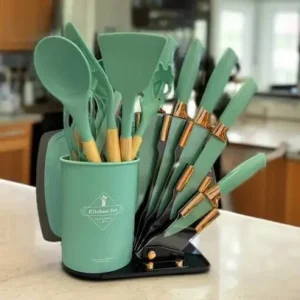
Bamboo spoons, spatulas and other cooking utensils offer an alternative to many plastic tools. Bamboo is a rapidly renewable material and lightweight utensils are comfortable for stirring sauces, mixing ingredients and serving food.
These utensils can also be gentle on suitable cookware surfaces. Wash them according to the manufacturer’s instructions and dry them properly to help prevent damage.
Check the finish and construction before buying bamboo products. A sturdy utensil that suits your cooking habits is generally a better choice than a decorative set you rarely use.
4. Reusable Food Wraps
Reusable food wraps can cover bowls, sandwiches, cheese and selected food items. Some products use washable fabric coated with beeswax, while others use reusable silicone or washable covers.
These wraps may reduce your reliance on disposable plastic film. However, their suitability depends on the food, temperature, cleaning requirements and product instructions.
For example, beeswax wraps generally should not be used with hot food or in the microwave. If you need a cover for hot leftovers, choose a product specifically designed for that purpose.
5. Stainless Steel Kitchen Tools
Stainless steel measuring cups, mixing bowls, strainers and other kitchen tools can provide long-lasting alternatives to frequently replaced products. Many stainless steel items resist rust and withstand regular kitchen use when properly maintained.
These tools are also easy to clean and can serve several purposes. Before purchasing them, consider the quality of the material, the design and whether the items suit your available storage space.
Although stainless steel production requires resources, a durable product can be a sensible choice when you use it for many years. Keeping useful kitchen tools for longer helps avoid unnecessary replacement purchases.
6. Reusable Coffee Filters
Reusable coffee filters can reduce the need for disposable paper filters in compatible coffee makers. Stainless steel mesh filters are a common option and some designs allow more natural coffee oils to pass into the drink.
Check whether a filter fits your coffee maker before purchasing it. Regular cleaning is important because coffee residue can affect flavor and hygiene.
A reusable filter makes the most sense if you prepare coffee frequently. If you rarely use a coffee maker, replacing a working product may not offer a meaningful environmental benefit.
7. Kitchen Compost Bins
A kitchen compost bin helps you collect suitable fruit peels, vegetable scraps and other accepted organic materials. You can keep the container on a counter or in a convenient location until you transfer the scraps to an appropriate composting system.
Composting can help divert suitable organic waste from general rubbish. However, the results depend on access to a suitable composting method and following its accepted-material guidelines.
Choose a bin with a lid that is easy to clean and large enough for your household. Empty it regularly to help control odors and keep the kitchen tidy.
8. Reusable Kitchen Towels
Washable cotton towels can replace many disposable paper towels during routine kitchen cleaning. You can use them to wipe counters, dry dishes and clean small spills, depending on the towel’s purpose.
Keep separate cloths for different cleaning tasks and wash them regularly. This practice supports kitchen hygiene while helping you reduce disposable paper use.
The environmental benefit depends on how long you use the towels and how you wash them. Using a durable towel repeatedly is more useful than buying extra reusable products that remain unused.
9. Manual Food Preparation Tools
Manual tools such as hand-operated graters, peelers, whisks and slicers can perform many simple preparation tasks without electricity. They are useful for small quantities of food and may reduce the need to operate an electric appliance for a brief task.
Choose tools that feel comfortable, are easy to clean and suit the ingredients you prepare regularly. Keep them in good condition and follow the manufacturer’s safety instructions.
Manual tools are not always the best choice for every recipe or household. The goal is to select the most practical tool for the task rather than avoiding electricity in every situation.
10. Energy-Efficient Kitchen Appliances
Energy-efficient appliances can help reduce electricity use when they perform the same task with less energy. Examples may include appropriately sized kettles, refrigerators, induction cooktops and compact cooking appliances with suitable efficiency features.
Compare energy labels, power ratings, capacity and expected usage before buying an appliance. A smaller appliance may be more practical for a small household, while a larger model may suit a family that cooks bigger meals.
Remember that energy efficiency depends on the appliance, the task and how you use it. Replacing a working appliance too early may also create additional manufacturing and disposal impacts, so consider its condition before upgrading.
Comparison of Popular Eco-Friendly Kitchen Tools
The following table compares common options and explains how each can support a more sustainable kitchen.
| Kitchen gadget | Main purpose | Potential environmental benefit |
|---|---|---|
| Reusable storage bags | Store snacks and ingredients | Reduce disposable bag use |
| Glass containers | Store leftovers and prepared meals | Support repeated food storage |
| Bamboo utensils | Stir and serve food | Offer an alternative to many plastic utensils |
| Reusable food wraps | Cover suitable foods | Reduce disposable plastic wrap use |
| Stainless steel tools | Prepare and measure ingredients | Provide durable, reusable equipment |
| Reusable coffee filters | Filter brewed coffee | Reduce disposable filter use |
| Compost bin | Collect suitable food scraps | Support food-scrap composting |
| Cotton kitchen towels | Clean surfaces and dry dishes | Reduce paper towel consumption |
| Manual preparation tools | Prepare ingredients | Avoid electricity for some small tasks |
| Efficient appliances | Cook or prepare food | Potentially reduce energy consumption |
How to Choose the Best Sustainable Kitchen Gadgets
Buying every product marketed as green is unnecessary. A thoughtful shopping approach helps you choose useful items while avoiding extra spending and waste.
Check the Material and Durability
Start by examining the material, construction and expected lifespan of each product. Glass, stainless steel, bamboo and silicone can all be useful, but each material has different strengths and care requirements.
Do not assume that natural materials are always better than manufactured ones. The product’s durability, manufacturing impact, cleaning needs and end-of-life options all matter.
Consider Your Daily Cooking Habits
Think about which tasks create the most waste in your kitchen. If you regularly store leftovers, glass containers may be useful, while reusable food wraps may suit households that often pack snacks or sandwiches.
Choose products that fit your existing routine. A simple gadget that you use every day can be more valuable than an expensive product designed for a task you rarely perform.
Compare Price and Long-Term Value
Look beyond the initial price when comparing sustainable products. Consider how long the item may last, whether you can replace individual parts and whether cleaning requires extra supplies or effort.
You can begin with a few affordable swaps instead of replacing everything at once. Reusing products you already own is often the simplest way to avoid unnecessary purchases.
Read Care and Disposal Instructions
A product’s environmental benefits can depend on how you maintain and dispose of it. Some reusable products require careful washing, while others have specific temperature limits or cannot be recycled through ordinary local services.
Check the manufacturer’s instructions before use. Also, confirm whether local recycling or composting services accept the materials involved.
Tips for Creating a More Sustainable Kitchen
You can improve your kitchen habits without spending a lot of money. Start with small changes that fit your household and build on them over time.
First, use food you already have before buying more groceries. Plan meals around ingredients that need attention, store food correctly and freeze suitable leftovers when you cannot eat them soon.
Next, avoid unnecessary disposable products when a practical reusable alternative is available. Carry out regular kitchen cleaning with washable cloths and choose durable utensils instead of replacing them simply because a new design looks attractive.
You can also save resources by cooking appropriate portions and matching cookware to the size of the meal. Turn off appliances when you no longer need them, follow energy-saving recommendations and avoid heating more water than necessary.
Finally, separate suitable food scraps if you have access to composting. The most effective sustainable kitchen routine combines waste prevention, careful shopping, responsible energy use and long-term product care.
Common Mistakes to Avoid When Buying Green Kitchen Gadgets
One common mistake is buying a product only because it carries an eco-friendly label. Marketing language does not automatically prove that an item has a lower environmental impact than every alternative.
Another mistake is replacing useful kitchen tools before they wear out. Manufacturing new products uses materials and energy, so keeping your existing equipment can be a better option than upgrading without a clear need.
Some shoppers also overlook cleaning requirements. A reusable item that needs frequent washing or special care may have a different environmental impact from a product that lasts longer with simple maintenance.
Finally, avoid purchasing too many single-purpose gadgets. Choose versatile products that solve real problems, fit your budget and remain useful throughout their lifespan.
Conclusion
Creating a sustainable kitchen does not require expensive equipment or a complete lifestyle change. Reusable storage containers, durable utensils, washable towels, compost bins and energy-efficient appliances can support better everyday habits when you choose and use them thoughtfully.
The most useful green kitchen gadgets are those that help you reduce waste, save resources or replace disposable items without creating unnecessary consumption. Start with one or two changes that suit your household, care for your products properly and expand your collection only when you have a genuine need.
Over time, these small choices can help make your kitchen more organized, practical and environmentally responsible.
Frequently Asked Questions
1. What are green kitchen gadgets?
Green kitchen gadgets are tools and appliances that help reduce waste, save energy or support sustainable cooking. Examples include reusable storage bags, glass containers, bamboo utensils and energy-efficient appliances.
2. Which eco-friendly kitchen gadgets are best for beginners?
Reusable kitchen towels, glass food containers and durable cooking utensils are good starting points. Choose items that replace disposable products you already use regularly.
3. Are sustainable kitchen gadgets expensive?
Some sustainable products cost more initially, but durable items can provide long-term value. Compare prices, expected lifespan, cleaning requirements and how often you will use each product.
4. How do reusable kitchen gadgets help the environment?
Reusable tools can reduce waste when they replace disposable products over time. Their overall environmental impact depends on their materials, manufacturing, cleaning, durability and disposal.
5. What materials are commonly used in eco-friendly kitchen tools?
Common materials include bamboo, glass, stainless steel, cotton and silicone. Each has different benefits, limitations and care requirements, so choose materials that suit your needs.
6. Can green kitchen gadgets help reduce food waste?
Yes, suitable storage containers, food labels and compost bins can support better food management. However, meal planning and using ingredients before they spoil are also important.
7. How can I make my kitchen more eco-friendly on a budget?
Start by reusing items you already own, reducing food waste and choosing washable towels instead of disposable paper towels. Buy new products only when they solve a genuine problem.
8. Are all reusable kitchen products environmentally friendly?
No, reusable products are not automatically better in every situation. Their benefits depend on how