Walk down any store aisle and you will see bottles, pouches and tubs in every color. Each one holds a cleaner, a detergent, or an air freshener. The pack is the first thing a shopper sees and touches.
Good homecare product packaging keeps the liquid safe inside and the family safe outside. It also helps a brand stand out on a crowded shelf. A weak pack can leak, confuse buyers, or even harm a child.
This guide explains the main pack types, materials, safety rules and trends. It uses simple words and fresh market data. Brands, makers and curious shoppers can all use it.
What Are Home Care Products?
Home care products are items people use to clean and care for their houses. They include dish soap, laundry liquid, floor cleaner, bleach and room spray. Many of them contain strong chemicals.
Because of this, the pack must do more than look nice. It must hold the formula, resist spills and show clear rules for safe use. Every part of the pack has a job.
Why Homecare Product Packaging Matters
Packaging protects the product from light, air and water. These can break down a formula and spoil its smell or power. Strong packs also survive trucks, shelves and online shipping.
The market shows how big this topic is. One report says the global homecare packaging market was worth about USD 38 billion in 2025 and may reach USD 55.22 billion by 2032. That is steady growth of about 5.48% each year. vyansaintelligence
Packaging also drives sales. A clear, handy pack builds trust in seconds. Shoppers often pick the bottle that looks safe and easy to use.
Common Types of Home Care Packs
Each pack type suits a different product. The right choice depends on the formula, the price and how people use it. Here is a quick comparison.
| Pack Type | Best For | Main Benefit and Drawback |
|---|---|---|
| Rigid plastic bottle | Detergent, floor cleaner, bleach | Strong and easy to pour, but uses more plastic |
| Spray bottle | Glass and surface cleaners | Fast, even coverage, but trigger parts are hard to recycle |
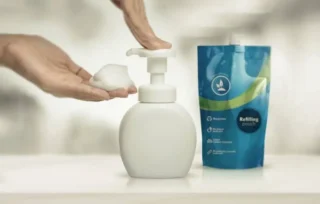
| Stand-up pouch | Refills, liquid soap | Light and low waste, but can tear if poorly made |
| Tub or canister | Powders, pods, tablets | Easy to scoop and store, but needs a tight seal |
| Aerosol can | Air fresheners, polish | Fine mist and long shelf life, but needs pressure safety checks |
| Water-soluble film | Laundry and dish pods | No extra plastic waste, but moisture can damage it |
Many brands now mix formats. A shopper may buy one sturdy bottle and then refill it from a pouch. This cuts cost and trash at the same time.
Popular Materials Used in Packaging
Material choice affects cost, safety and the planet. Most makers weigh these three points before they pick. The table below shows the most common options.
| Material | Where It Is Used | Key Strength and Watch Out For |
|---|---|---|
| HDPE plastic | Bottles and jugs | Tough against chemicals, but needs recycling streams |
| PET plastic | Clear bottles | Clear and light, but not ideal for harsh bleach |
| Polypropylene (PP) | Caps, tubs, pouches | Heat and chemical resistant, but color can fade |
| Recycled plastic (PCR) | Bottles and caps | Lowers new plastic use, but needs strict quality checks |
| Paperboard | Boxes, refill cartons | Easy to print and recycle, but weak against water without a liner |
| Aluminum | Cans and bottles | Strong and widely recycled, but higher cost |
Plastic still leads this space. Its low price and flexibility are hard to beat. Still, new rules and shopper habits push brands to try paper, metal and recycled blends.
For more ideas, read our guide on sustainable packaging materials.
Safety First – Child-Resistant Packaging
Many cleaners can harm kids if swallowed. Because of this, safe closures matter for homecare product packaging across the whole aisle. A child-resistant cap is hard for small hands to open but simple for adults.
Big brands now treat this as a must. One example is Procter & Gamble. The company made all its Tide Pods and Gain Flings packet formats child-resistant with the Child-Guard tub. packworld
Lightweight options exist too. Amcor’s Hector child-resistant closure weighs only 7.25 grams and suits bleach and toilet cleaners. Less plastic in the cap means less waste. packagingstrategies
Safety does not stop at the cap. Tamper-proof seals show that nobody opened a pack before purchase. Market research notes that online orders often need tamper-proof seals, secure closures and protective barriers. giiresearch
The Rise of Refill and Sustainable Packaging
Shoppers and lawmakers both want less plastic waste. This pushes brands toward refills, concentrates and recycled materials. The change is moving fast.
Look at the numbers. The refillable household cleaners market may grow from USD 6.5 billion in 2026 to USD 21.3 billion by 2036. In that market, refill pouches hold about 38% share. norfolkdailynewsnorfolkdailynews
Rules are tightening as well. The EU Packaging and Packaging Waste Regulation began to apply on 12 August 2026. It aims to cut waste, improve recycling and support reuse and refill systems. sphericalinsights
Here are the main eco-friendly paths brands follow:
- Concentrated formulas that ship less water and need smaller packs
- Refill pouches and cartons that replace full bottles
- Recycled plastic (PCR) for bottles and caps
- Water-soluble film that dissolves in the wash
- Paper-based packs for dry powders and tablets
Water-soluble film is growing fast. One report says the household segment holds the largest share of that market, at about 26.92% in 2026. Pods and sachets drive that demand. hackmd
Be careful, though. A green pack must still protect the product. If a pouch leaks or a carton gets soggy, shoppers will not buy again.
You can learn more in our post about refill and reuse models.
Design and Labeling That Sell
Good design makes a pack easy to find, read and trust. Color, shape and fonts all send a message. A clean white bottle can signal purity, while bright colors signal energy.
Labels matter even more. One packaging study found that shoppers want clear directions for use on the label. The same study showed that cleaning power is still the top buying factor, ahead of eco claims. packagingstrategiespackagingstrategies
This tells brands something useful. Green claims help, but they cannot replace results. A pack should say what the product does, how to use it and how to stay safe.
A strong label usually includes these items:
- The product name and what it cleans
- Simple steps for use
- Warning symbols and first-aid notes
- Ingredient and recycling details
- A QR code for extra tips or reorders
Smart labels are also on the rise. Reports say brands use digital and smart labels to share sustainability claims and enable traceability. A quick scan can show a shopper where the product came from. credenceresearch
Key Rules and Standards to Know
Rules differ by country, but the goals are alike. They protect people, workers and the planet. Brands must check local laws before they print a single label.
Here is a simple overview of common rule areas:
| Rule Area | What It Covers | Why It Matters |
|---|---|---|
| Chemical labeling | Hazard signs, warnings, ingredients | Helps users stay safe |
| Child-resistant tests | Closure strength and ease for adults | Cuts accidental poisoning |
| Material safety | What the pack is made of | Stops harmful transfer into the product |
| Recycling and waste | Recycled content, reuse targets | Meets green laws |
| Transport rules | Leak and drop tests | Keeps shipments safe |
Industry sources agree that packs must follow strict guidelines on material safety, recyclability and labeling, which vary by region. A global brand may need several label versions. Plan early to avoid costly delays. credenceresearch
How to Choose the Right Pack for Your Product
Picking a pack takes careful thought. Start with the formula, then match the pack to it. A strong acid needs a different bottle than a mild soap.
Follow these steps to make a smart choice:
- Test compatibility. Check that the formula does not harm the material.
- Think about the user. Add a grip, a measuring cap, or a no-drip spout.
- Add safety features. Use child-resistant caps and tamper seals.
- Plan for shipping. Run drop and leak tests before launch.
- Count the cost. Balance price, weight and brand image.
- Check the rules. Confirm labels and materials meet local laws.
Small tweaks can change results. A wider neck makes refilling easy. A clear window shows how much liquid is left.
E-Commerce Changes the Game
More people now buy cleaners online. This adds new stress to every pack. Boxes get dropped, stacked and shaken.
Brands respond with tougher seals and smaller, lighter packs. Concentrates help here too, since they cut shipping weight. Lower weight means lower freight cost and fewer emissions.
Online shoppers also cannot touch the item first. Clear photos and plain labels help them judge the pack. Strong unboxing also builds loyalty.
Future Trends to Watch
The next few years will bring bold changes. Here are the trends that experts expect to grow.
Refill stations and subscriptions. Shoppers may pay for refills on a set plan. Market data points to growing demand for subscription-based refill systems. norfolkdailynews
Lighter, thinner packs. Makers want to use less plastic without losing strength. Tiny design tweaks can save tons of material over time.
Smarter labels. QR codes and digital tags will share more facts. Shoppers will learn how to recycle each part of a pack.
Premium looks. Some buyers will pay more for stylish, durable bottles. Reports note that packaging that lifts shelf appeal supports premium trends and customer loyalty. credenceresearch
For brand teams, the lesson is clear. Start small, test often and listen to shoppers. Read more in our guide to packaging design trends for 2026.
Conclusion
Strong homecare product packaging protects the formula, the user and the brand. It blends safe closures, smart materials and clear labels. It also meets fast-changing rules and shopper demands.
The best packs solve real problems. They stop leaks, guard children and cut waste. Brands that focus on these basics will win trust and repeat sales.
Frequently Asked Questions
What is homecare packaging?
Homecare packaging is the container, cap and label used for cleaning and household products. It covers bottles, pouches, tubs, cans and pods. Its job is to protect the product and the user.
Which material is best for cleaning product packs?
HDPE plastic is a top pick for many liquids because it resists chemicals well. Recycled plastic, paperboard and aluminum are also popular. The best choice depends on the formula and your goals.
Why is child-resistant packaging important?
Many cleaners and pods can harm kids if swallowed. Child-resistant caps slow small hands but still open for adults. They help prevent accidents at home.
Are refill pouches better for the environment?
Refill pouches often use less plastic than full bottles. They also weigh less, which cuts shipping emissions. They work best when shoppers refill the same bottle many times.
What should a home care label include?
A label should list the product name, use steps, warnings and ingredients. It should also show recycling tips and first-aid notes. A QR code can add extra help.
How do rules affect packaging choices?
Laws set limits on materials, label and recycled content. They differ by country, so brands must check each market. Early planning saves time and money.
How big is the home care packaging market?
One 2026 report values it near USD 40 billion. It expects growth to about USD 55 billion by 2032. Sustainable and refill formats lead that growth.