
A clean bathroom makes your home feel fresher, more comfortable and easier to maintain. However, choosing the right cleaner for each surface can make a big difference in how quickly you remove dirt, soap scum, stains and unpleasant odors.
If you are wondering what to use to clean bathroom surfaces effectively, you do not need a huge collection of products. A few basic cleaning supplies, the correct technique and regular maintenance can keep most bathrooms looking clean.
The bathroom often stays damp because of showers, sinks and running water. According to the U.S. Environmental Protection Agency, controlling moisture and improving ventilation are important steps for preventing mold growth.
What to Use to Clean Bathroom Surfaces
The best bathroom cleaning supplies depend on the surface and the type of dirt you need to remove. A general bathroom cleaner works for many hard surfaces, while specialized products may work better for toilets, glass, grout or mineral deposits.
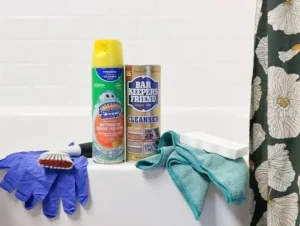
For everyday cleaning, start with a mild detergent or bathroom cleaner, microfiber cloths, a non-scratch sponge, a toilet brush and a small scrub brush. These simple tools can handle most routine bathroom cleaning tasks without filling your cabinet with unnecessary products.
| Bathroom Area | Recommended Cleaning Tool | Best For |
|---|---|---|
| Sink | Mild bathroom cleaner + microfiber cloth | Dirt, soap residue |
| Toilet | Toilet cleaner + toilet brush | Stains and buildup |
| Shower | Bathroom cleaner + sponge | Soap scum and dirt |
| Glass doors | Glass cleaner + microfiber cloth | Water spots and streaks |
| Floor | Floor cleaner + mop | Dirt and everyday grime |
| Grout | Mild detergent + grout brush | Dirt and surface buildup |
| Faucet | Mild cleaner + soft cloth | Water spots and residue |
| Mirror | Glass cleaner + microfiber cloth | Smudges and streaks |
Basic Bathroom Cleaning Supplies You Need
You can keep your bathroom cleaning routine simple by choosing products that serve more than one purpose. A microfiber cloth is especially useful because it can wipe many hard surfaces without leaving much lint behind.
A non-scratch sponge helps loosen soap residue from sinks, tubs and shower walls. A small brush can reach grout lines, corners, around faucets and other areas that a cloth cannot clean properly.
A toilet brush is another essential tool because the toilet bowl needs a dedicated cleaning method. Keep toilet-cleaning tools separate from tools used on sinks, counters or other bathroom surfaces.
Bathroom Cleaner for Sinks and Countertops
Sinks collect toothpaste, soap residue, hair, dust and water deposits throughout the day. For regular cleaning, use a suitable bathroom cleaner or mild detergent with water and a soft cloth or sponge.
Apply the cleaner according to its label instructions, gently scrub the surface and rinse when required. Finish by wiping the sink dry because standing water can leave marks and contribute to mineral buildup.
Be careful with natural stone countertops such as marble because some cleaning products can damage sensitive surfaces. Always check the manufacturer’s care instructions before using a new cleaner.
What to Use to Clean a Bathroom Sink
If you are specifically asking what to use to clean a bathroom sink, a mild bathroom cleaner and a microfiber cloth are usually enough for everyday dirt. A soft sponge can help remove stubborn soap residue without requiring aggressive scrubbing.
For faucet areas, use a soft cloth rather than an abrasive pad. Drying the faucet after cleaning can also reduce visible water spots and help maintain its appearance.
If mineral deposits become difficult to remove, choose a product specifically designed for that type of buildup and make sure it is compatible with the faucet’s finish.
Best Products for Cleaning a Toilet
The toilet requires a cleaner designed for toilet bowls and a dedicated toilet brush. Follow the product label carefully instead of using more cleaner than recommended.
Apply the toilet cleaner according to its instructions, allow the recommended contact time and scrub with the toilet brush. Clean the outside of the toilet separately with an appropriate surface cleaner and cloth.
Remember that cleaning and disinfecting are not the same. The CDC explains that cleaning removes dirt and many germs from surfaces, while disinfecting uses products designed to kill remaining germs.
For routine cleaning, regular cleaning may be enough in many situations. Disinfection can be particularly useful when someone in the household is sick or when the product label recommends it for the specific situation.
What to Use to Clean Bathroom Shower Walls
Shower walls commonly develop soap scum because soap, shampoo, body products and water repeatedly contact the surface. A bathroom cleaner and non-scratch sponge can usually handle light buildup.
For tougher residue, choose a cleaner intended for the material of your shower walls. Never assume that one cleaner is safe for every surface because tile, acrylic, natural stone and fiberglass can have different care requirements.
After cleaning, rinse away product residue when the label instructs you to do so. Drying the shower walls can also reduce the amount of moisture that remains on the surface.
How to Clean Bathroom Glass Doors
Glass shower doors can quickly develop water spots and soap residue. A glass cleaner and clean microfiber cloth can help restore a clearer appearance when used according to the product directions.
Spray the cleaner as directed and wipe the glass using a clean cloth. Avoid abrasive materials that can scratch the surface.
Regular maintenance makes this task easier because fresh water spots are generally easier to remove than layers of old mineral deposits. Wiping the glass after showers can reduce the amount of residue that builds up over time.
Cleaning Bathroom Tiles and Grout
Tile surfaces are generally easier to maintain when you clean them regularly. Use a cleaner that is appropriate for your particular tile and follow its label directions.
Grout requires more attention because its textured surface can collect dirt. A small soft or medium-bristle brush can help reach the lines between tiles without relying on excessive pressure.
If the grout contains mold, EPA guidance recommends cleaning mold from hard surfaces with detergent and water and drying the area completely.
What to Use to Clean Bathroom Floors
Bathroom floors collect dust, hair, moisture and dirt from shoes or bare feet. A vacuum, broom or dry cleaning tool can remove loose debris before you mop.
Use a floor cleaner suitable for your flooring material and follow the recommended dilution and usage instructions. Do not leave excessive water standing on the floor, especially around wooden or moisture-sensitive materials.
Clean around the toilet base, behind the door, beside cabinets and along wall edges because these areas can collect dirt that is easy to overlook.
How to Clean Bathroom Mirrors
A mirror usually needs only a suitable glass cleaner and a clean microfiber cloth. Too much cleaning product can leave residue and streaks, so use the amount recommended on the label.
Wipe the mirror evenly and use a dry section of the cloth for the final pass. Avoid allowing excessive liquid to run into the edges of the mirror.
For a simple routine, clean the mirror whenever visible fingerprints, toothpaste splashes or water marks appear.
How to Remove Bathroom Mold
Mold can become a problem when a bathroom stays damp for long periods. EPA guidance states that moisture control is the key to controlling indoor mold, so cleaning alone may not solve a recurring problem.
For mold on hard surfaces, EPA recommends scrubbing with detergent and water and then drying the area completely. You should also fix leaks and other moisture problems that allow mold to return.
Improve ventilation by using the bathroom exhaust fan or opening a suitable window during and after showering. Drying damp surfaces can also help reduce the conditions that encourage mold growth.
If mold covers a large area, involves significant water damage or affects porous materials that cannot be cleaned properly, professional help may be appropriate. EPA guidance notes that areas larger than about 10 square feet can require additional consideration.
What to Use to Clean Bathroom Drains
Bathroom drains can collect hair, soap residue and other debris. Start by removing visible debris and keeping the drain area clean.
For routine maintenance, use products specifically intended for bathroom drains and follow their instructions. Avoid mixing different drain or cleaning chemicals because incompatible products can create dangerous reactions.
If a drain repeatedly becomes blocked, the problem may require mechanical cleaning or professional attention rather than repeatedly adding chemicals.
What to Use for Bathroom Odors
A bathroom can develop unpleasant smells when moisture, dirty drains, damp towels or poor ventilation become problems. Instead of simply covering the odor with fragrance, identify and remove the source.
Wash towels regularly, keep the bathroom dry, clean the toilet and sink and check drains for buildup. Good ventilation is one of the most useful ways to reduce moisture-related bathroom odors.
EPA recommends improving bathroom ventilation and reducing moisture because damp conditions can encourage mold growth.
Should You Use Bleach to Clean the Bathroom?
Bleach can be useful for certain disinfecting tasks, but it should not automatically be your first choice for every bathroom cleaning job. EPA states that bleach and other biocides are not recommended as a routine practice for general mold cleanup.
More importantly, never mix bleach with ammonia or other cleaning products unless the product directions specifically permit it. EPA warns that mixing chlorine bleach with ammonia-containing products can produce toxic fumes.
Always read the label before using a disinfectant or strong cleaning product. Good ventilation and the protective equipment recommended on the label can also make cleaning safer.
Cleaning vs. Disinfecting a Bathroom
Many people use the words cleaning and disinfecting as if they mean the same thing, but they have different purposes. Cleaning physically removes dirt, impurities and many germs from a surface, while disinfecting uses chemicals to kill remaining germs.
For normal household cleaning, regular cleaning can remove much of the dirt and contamination from bathroom surfaces. Disinfecting may provide additional protection when someone is sick or when a particular surface requires it.
Always clean a visibly dirty surface before disinfecting it when the product instructions require that sequence. Follow the label for application method, contact time, ventilation and other safety instructions.
A Simple Bathroom Cleaning Routine
Knowing what to use to clean bathroom areas is only half of the job because the order in which you clean can also save time. Start by removing towels, bath mats, personal items and loose rubbish from the room.
Dust or sweep surfaces before using wet cleaners. Then clean higher surfaces first and work toward the floor so that loosened dirt does not fall onto areas you have already cleaned.
Clean the mirror, sink, shower, toilet and other surfaces using products appropriate for each material. Finish by cleaning the floor and allowing damp areas to dry properly.
| Cleaning Task | Suggested Frequency |
|---|---|
| Wipe sink and faucet | Several times per week or as needed |
| Clean toilet | Regularly based on household use |
| Clean shower | Regularly to prevent buildup |
| Clean mirror | When visibly dirty |
| Mop bathroom floor | Regularly and when needed |
| Deep-clean grout | As needed |
| Check for mold or moisture | Regularly |
The exact frequency depends on how often the bathroom is used and how quickly dirt or moisture builds up. A frequently used family bathroom may need more frequent cleaning than a guest bathroom.
How to Make Bathroom Cleaning Easier
One of the easiest ways to maintain a clean bathroom is to deal with small messes before they become difficult buildup. Wipe toothpaste from the sink, remove hair from drains and dry wet surfaces whenever practical.
Keep basic cleaning supplies together so you do not have to search for them every time you clean. A small cleaning routine performed regularly is usually easier than waiting until dirt, soap scum and stains become heavy.
Ventilation also deserves attention because bathrooms naturally produce moisture. Running an exhaust fan or opening a window when appropriate can help reduce humidity and support mold prevention.
Common Bathroom Cleaning Mistakes to Avoid
Using the wrong product on a surface can cause damage, especially on natural stone, delicate finishes or specialty materials. Always read the care instructions and product label before applying a cleaner.
Another common mistake involves using too much product. More cleaner does not necessarily mean better cleaning and excess residue can sometimes make surfaces look dull or sticky.
Do not mix cleaning products together. Different chemicals can react with each other and create harmful fumes, so use products separately and follow their safety instructions.
Conclusion
If you are still wondering what to use to clean bathroom surfaces, the answer is simpler than it may seem. You usually need a few reliable tools and cleaners rather than a large collection of specialized products.
Choose a cleaner that matches the surface, use a microfiber cloth or suitable scrubber and follow the product label. Regular cleaning also makes each session easier because you prevent heavy buildup before it becomes difficult to remove.
Most importantly, keep the bathroom dry and well ventilated. Cleaning removes dirt, while moisture control helps prevent mold from becoming a recurring problem, making both parts important for a healthier and more comfortable bathroom.
Frequently Asked Questions
What is the best thing to use to clean a bathroom?
For routine cleaning, a suitable bathroom cleaner or mild detergent, microfiber cloth, non-scratch sponge, toilet brush and small scrub brush can handle most surfaces. Always choose products according to the material being cleaned.
What to use to clean bathroom tiles?
Use a tile-safe bathroom cleaner and a soft sponge or cloth for regular cleaning. For grout, a suitable small brush can help remove dirt from the textured lines.
Can I use dish soap to clean my bathroom?
A mild detergent can help remove everyday dirt from some washable hard surfaces. However, check the surface and product instructions because not every material is suitable for every cleaner.
What should I use to clean a moldy bathroom?
For mold on hard surfaces, EPA recommends detergent and water followed by thorough drying. You should also address leaks and moisture because mold can return when the underlying moisture problem remains.
How often should I clean my bathroom?
Clean the bathroom according to how frequently people use it and how quickly dirt accumulates. High-use areas such as toilets, sinks and faucets generally need attention more often than less-used surfaces.
Is bathroom cleaner the same as disinfectant?
No. A cleaner primarily removes dirt and impurities, while a disinfectant is designed to kill germs on surfaces. Some products combine both functions, but you should check the product label to confirm its intended use.
How can I stop mold from returning?
Control moisture, improve ventilation, fix leaks, clean visible mold and dry damp surfaces. EPA emphasizes that moisture control is the most important part of preventing recurring indoor mold growth.


