
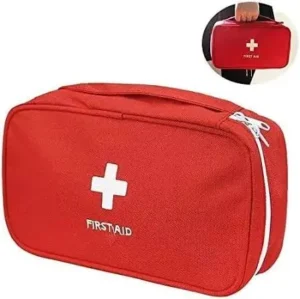
Accidents can happen at home, on the road, at work or during outdoor adventures. A small cut, burn or injury may need quick treatment before professional medical help arrives. That is why every family should keep a reliable bags first aid ready for emergencies.
A well-organized first aid bag helps you respond quickly and confidently during unexpected situations. It keeps important medical supplies in one place, making them easy to find when every second matters.
Why Every Home and Family Needs a First Aid Bag
A first aid bag provides immediate care for minor injuries and helps reduce the risk of infection. It also supports emergency treatment until medical professionals arrive.
Many people only think about first aid after an accident happens. Preparing in advance keeps your family safer and helps you stay calm during stressful moments.
Parents, teachers, travelers, workers and outdoor lovers all benefit from carrying a first aid bag. It offers peace of mind because you know essential medical supplies are always nearby.
What Is a First Aid Bag?
A first aid bag is a portable container that stores medical tools and emergency supplies. It protects the contents from dust, moisture and damage while keeping everything organized.
Modern first aid bags come in different sizes, colors and materials. Most include multiple pockets and labeled sections that allow users to locate supplies quickly.
The main purpose of a first aid bag is to provide fast access to medical items during emergencies. This simple preparation can prevent small injuries from becoming serious problems.
Benefits of Keeping Bags First Aid Ready
Keeping bags prepared offers many practical advantages. It allows you to treat injuries immediately without wasting valuable time searching for supplies.
Some of the biggest benefits include:
- Faster response during emergencies.
- Better organization of medical supplies.
- Reduced risk of infection.
- Greater confidence during accidents.
- Improved safety for families, school, workplaces and travelers.
A properly stocked first aid bag can also reduce stress because everything you need stays in one organized location.
Different Types of First Aid Bags
Different situations require different types of first aid bags. Choosing the right one depends on where you plan to use it and how many people it should serve.
| Type of First Aid Bag | Best Used For | Main Advantage |
|---|---|---|
| Home First Aid Bag | Houses and apartments | Covers everyday injuries |
| Travel First Aid Bag | Vacations and road trips | Compact and lightweight |
| Car First Aid Bag | Vehicles | Easy access during road emergencies |
| Workplace First Aid Bag | Offices and factories | Supports employee safety |
| Hiking First Aid Bag | Camping and trekking | Designed for outdoor emergencies |
| Sports First Aid Bag | Schools and sports teams | Treats common sports injuries |
Each type includes similar medical supplies, but larger bags usually carry more equipment for handling multiple injuries.
How to Choose the Right First Aid Bag
Selecting the right first aid bag is just as important as filling it with medical supplies. A strong and durable bag protects the contents while making them easy to access.
Look for a bag made from water-resistant material because it protects supplies from rain and moisture. Bright colors, such as red, help people locate the bag quickly during emergencies.
Choose a design with several compartments so you can organize different medical items separately. Clear labels also save valuable time when someone needs immediate treatment.
Essential Items Every First Aid Bag Should Contain
A complete first aid bag should include supplies that treat common injuries and support emergency care. Replace expired products regularly to keep everything safe and effective.
The table below lists the most important items.
| Medical Item | Purpose |
|---|---|
| Adhesive Bandages | Cover small cuts and scratches |
| Sterile Gauze Pads | Protect larger wounds |
| Medical Tape | Hold dressings securely |
| Antiseptic Wipes | Clean wounds before applying a dressing |
| Antibiotic Ointment | Help prevent infection in minor wounds |
| Disposable Gloves | Reduce the spread of germs and maintain hygiene |
| Tweezers | Remove splinters, debris or small foreign objects |
| Small Scissors | Cut tape, gauze, and bandages safely |
| Elastic Bandage | Support sprains, strains and minor joint injuries |
| Instant Cold Pack | Reduce swelling and relieve pain after an injury |
| Digital Thermometer | Measure body temperature accurately |
| CPR Face Shield | Improve safety while performing CPR |
| Pain Relievers | Help reduce pain, fever and minor discomfort |
| Emergency Blanket | Keep an injured person warm and help prevent shock |
Organizing Your First Aid Bag
An organization makes a bag much more useful during emergencies. Place similar items together so they remain easy to locate under pressure.
Store wound care supplies in one section and medications in another compartment. Keep emergency tools such as scissors, gloves and tweezers in a separate pocket for faster access.
Many people also add a printed emergency contact list inside the bag. This simple step can save valuable time when immediate medical assistance is needed.
How to Maintain Your First Aid Bag
Buying a first aid bag is only the first step. Regular maintenance ensures every medical supply remains safe, clean and ready to use.
Check your kit every three to six months for expired items. Replace damaged supplies immediately and restock anything you have already used.
Keep the bag in a cool and dry place because heat and moisture may damage medicines and medical equipment. Clean the outside of the bag regularly to remove dirt and dust.
Essential Supplies for Different Situations
Different environments require different medical supplies. Adding situation-specific items makes your first aid bag more useful and practical.
| Situation | Recommended Items |
|---|---|
| Home | Bandages, digital thermometer, pain relievers, antiseptic wipes |
| Travel | Motion sickness tablets, sunscreen, insect repellent |
| Car | Reflective vest, flashlight, emergency blanket |
| Hiking | Water purification tablets, blister pads, whistle |
| Sports | Instant ice pack, compression wrap, athletic tape |
| Workplace | CPR mask, burn cream, eye wash solution |
Using Bags First Aid at Home
Home accidents happen more often than many people realize. Small cuts, kitchen burns, slips and minor falls can occur without warning.
Keeping bags first aid in an easy-to-reach location allows family members to respond immediately. Every adult in the household should know where the bag is stored and how to use its contents safely.
Why Travelers Should Carry a First Aid Bag
Travel often takes people far from pharmacies and medical centers. Carrying a compact first aid bag helps you handle common health problems while away from home.
A travel kit should include medicines for pain, allergies, motion sickness, stomach discomfort and minor injuries. Packing these supplies saves time and reduces stress during your journey.
First Aid Bags for Outdoor Adventures
Outdoor activities expose people to unique risks such as insect bites, blisters, dehydration and small cuts. A properly packed first aid bag helps you stay prepared while exploring nature.
Include emergency blankets, water purification tablets, sunscreen, insect repellent and extra bandages. These supplies improve safety during hiking, camping, fishing, and other outdoor adventures.
Workplace Safety and First Aid Bags
Every workplace should maintain an accessible first aid bag for employees and visitors. Quick treatment reduces the severity of many common workplace injuries.
Factories, offices, schools and construction sites often keep larger kits because they serve more people. Employers should inspect supplies regularly to ensure everything remains complete and functional.
Common Mistakes People Make
Many people purchase a first aid bag and never check it again. Expired medicines and missing supplies reduce its effectiveness during emergencies.
Avoid storing the bag where nobody can reach it quickly. Everyone in your family or workplace should know its location before an emergency occurs.
Another common mistake involves overloading the bag with unnecessary items. Focus on carrying practical supplies that address common injuries instead of filling every available pocket.
Tips for Keeping Your First Aid Bag Ready
Maintaining your first aid bag does not require much time, but it greatly improves emergency preparedness.
- Inspect the contents every three to six months.
- Replace expired medications immediately.
- Restock used bandages and dressings.
- Store the bag in a dry and cool location.
- Keep an emergency contact list inside the bag.
Following these simple habits keeps bags first aid ready whenever an emergency happens.
Who Should Carry a First Aid Bag?
Almost everyone benefits from carrying a first aid bag. Families, students, drivers, travelers, teachers, healthcare workers, athletes and outdoor enthusiasts all face situations where immediate care becomes important.
Parents often keep one bag at home and another inside the family vehicle. Businesses usually maintain larger kits that support employees and visitors throughout the workday.
How to Choose the Best First Aid Bag
Choosing the right bag depends on your lifestyle and daily activities. A small travel bag works well for short trips, while a larger kit is better for families, workplaces or outdoor adventures.
Look for a bag made from durable, water-resistant material with multiple compartments. Bright colors, strong zippers and a comfortable handle make the bag easier to use during emergencies.
Before buying, check whether the bag comes pre-stocked or if you need to add medical supplies yourself. A well-designed bag saves time because every item stays organized and easy to access.
Best Practices for Using a First Aid Bag
Knowing how to use a first aid bag is just as important as owning one. Always stay calm, assess the situation and use clean supplies to treat the injured person.
Wear disposable gloves whenever possible to reduce the spread of germs. Follow basic first aid procedures and seek professional medical care if the injury is serious.
Never use expired medications or damaged medical supplies. Replace used items immediately so your kit remains ready for the next emergency.
Frequently Asked Questions
What should every first aid bag contain?
Every first aid bag should include adhesive bandages, sterile gauze, antiseptic wipes, medical tape, disposable gloves, tweezers, scissors, pain relievers, a thermometer and an emergency blanket. These items help treat the most common injuries safely.
How often should I check my first aid bag?
You should inspect your first aid bag every three to six months. Replace expired medicines, damaged supplies and any items you have already used.
Is a first aid bag necessary for travel?
Yes. A travel first aid bag helps you handle minor injuries and illnesses when medical care is not immediately available. It also provides peace of mind during long trips.
Conclusion
Being prepared for emergencies is one of the simplest ways to protect yourself and the people around you. A well-stocked first aid bag allows you to respond quickly to minor injuries while waiting for professional medical assistance.
Whether you need a kit for your home, vehicle, workplace, school or outdoor adventures, investing in first aid bags improves your overall emergency readiness. Regular maintenance and proper organization ensure that every supply remains effective when you need it most.
Choosing the right bag today can make a significant difference during tomorrow’s unexpected situations. By keeping bags first aid updated and accessible, you create a safer environment for your family, friends, coworkers, and anyone who may need immediate care.


