Starting a cleaning business is one of the most affordable ways to become your own boss. It does not require a large investment and you can begin with only a few essential tools. However, success depends on having the right supplies, equipment and business knowledge from the beginning.
A cleaning business starter kit helps new business owners avoid common mistakes. It provides the basic tools needed to clean homes, offices, apartments and commercial spaces professionally. With the right setup, you can work faster, deliver better results and build customer trust.
In this guide, you will learn what a cleaning business starter kit includes, why each item matters, how much you should expect to spend and how to choose quality supplies without wasting money.
What Is a Cleaning Business Starter Kit?
A cleaning business starter kit is a collection of essential cleaning tools, products, safety equipment and business supplies needed to launch a professional cleaning service.
Instead of buying random products, a starter kit gives you everything required for common cleaning tasks. It saves time, reduces unnecessary spending and helps you present a professional image from your first client.
Whether you plan to clean homes, offices, rental properties or small businesses, a complete starter kit makes your work easier and more efficient.
Why Every New Cleaning Business Needs a Starter Kit
Many beginners believe they can start with household cleaning products. While this may work for a few jobs, professional clients expect better results.
A well-prepared cleaning business starter kit offers several advantages.
| Benefit | Why It Matters |
|---|---|
| Professional Appearance | Builds customer confidence and creates a positive first impression. |
| Better Cleaning Results | Improves customer satisfaction and increases repeat business. |
| Faster Work | Saves time on every cleaning job and boosts productivity. |
| Organized Supplies | Prevents missing important tools and keeps work efficient. |
| Long-Lasting Equipment | Reduces replacement costs and provides better long-term value. |
| Increased Efficiency | Helps complete more jobs each day, leading to higher earning potential. |
Professional tools also reduce physical effort and improve cleaning quality.
Essential Cleaning Equipment
The foundation of every cleaning business is quality equipment. Durable tools last longer and make daily work easier.
The table below shows the most important equipment every beginner should own.
| Equipment | Purpose |
|---|---|
| Mop and Bucket | Used for cleaning and mopping hard floors effectively. |
| Microfiber Cloths | Ideal for dusting, wiping surfaces and trapping dirt without scratching. |
| Vacuum Cleaner | Removes dust, dirt and debris from carpets, rugs and hard floors. |
| Broom and Dustpan | Sweeps up loose dirt, dust and small debris before mopping. |
| Scrub Brushes | Cleans stubborn stains, grout lines and heavily soiled surfaces. |
| Spray Bottles | Holds and applies cleaning solutions evenly on different surfaces. |
| Squeegee | Cleans windows, mirrors and glass surfaces without leaving streaks. |
| Extension Pole | Helps reach ceilings, high windows, fans and other elevated areas safely. |
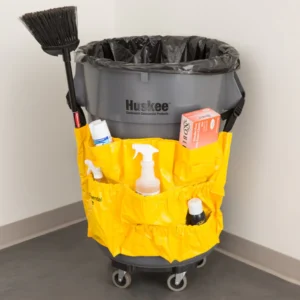
| Cleaning Caddy | Organizes and carries cleaning tools and supplies from room to room. |
| Trash Bags | Collects and disposes of waste, keeping the cleaning area tidy. |
Microfiber cloths are especially valuable because they trap dust instead of spreading it.
Cleaning Chemicals You Should Have
Cleaning chemicals should match different surfaces. Using one product for every job can damage furniture, floors and countertops.
A complete cleaning business starter kit usually includes these products.
| Cleaning Product | Main Use |
|---|---|
| Glass Cleaner | Cleans mirrors, windows and glass surfaces without streaks. |
| All-Purpose Cleaner | Removes dirt and grime from most household and office surfaces. |
| Bathroom Cleaner | Cleans toilets, sinks, showers, bathtubs and bathroom tiles. |
| Floor Cleaner | Safely cleans tile, vinyl, laminate and other hard flooring. |
| Disinfectant | Kills germs, bacteria and viruses on frequently touched surfaces. |
| Degreaser | Breaks down tough grease and oil in kitchens and cooking areas. |
| Stainless Steel Cleaner | Restores shine and removes fingerprints from stainless steel appliances. |
| Wood Polish | Cleans, protects, and enhances the appearance of wooden furniture. |
| Carpet Spot Remover | Removes stains and spills from carpets and upholstered surfaces. |
Always read product labels before use. Different surfaces require different cleaners.
Safety Equipment Is Just as Important
Cleaning professionals work with chemicals every day. Proper safety gear protects both workers and customers.
Basic safety equipment includes:
| Safety Item | Purpose |
|---|---|
| Rubber Gloves | Protect hands from chemicals, dirt and harmful bacteria during cleaning. |
| Face Mask | Helps prevent the inhalation of dust, allergens and cleaning chemicals. |
| Safety Glasses | Protect eyes from chemical splashes and flying debris. |
| Non-Slip Shoes | Reduce the risk of slips and falls on wet or slippery floors. |
| First Aid Kit | Provides basic medical supplies to treat minor cuts, burns and injuries quickly. |
Never ignore safety equipment because accidents can happen during any cleaning job.
Business Supplies Every Cleaner Needs
Running a business involves more than cleaning. An organization helps you look professional and keeps clients satisfied.
Useful business supplies include:
| Business Item | Purpose |
|---|---|
| Invoice Book | Records customer payments and keeps accurate billing information. |
| Appointment Calendar | Organizes bookings and helps manage cleaning schedules efficiently. |
| Business Cards | Promotes your services and makes it easy for customers to contact you. |
| Company Logo | Builds brand identity and creates a professional business image. |
| Uniform | Gives your team a clean, professional appearance and builds customer trust. |
| Receipt Book | Provides proof of payment and maintains financial records. |
| Mobile Phone | Enables quick communication with clients for bookings, updates and support. |
Professional branding often helps customers remember your company.
How Much Does a Cleaning Business Starter Kit Cost?
The total cost depends on equipment quality and business size.
| Business Level | Estimated Cost |
|---|---|
| Basic Starter Kit | $150–$300 – Suitable for individuals starting a small residential cleaning business. |
| Standard Professional Kit | $300–$700 – Includes higher-quality tools for handling regular residential and small commercial jobs. |
| Advanced Commercial Kit | $700–$1,500+ – Designed for commercial cleaning businesses with professional-grade equipment and larger workloads. |
Buying quality products usually saves money over time because they last longer.
Choosing High-Quality Cleaning Supplies
Many new business owners purchase the cheapest products available. This often leads to poor cleaning results and frequent replacements.
When shopping for supplies, consider the following factors.
| Buying Factor | Why It Matters |
|---|---|
| Product Quality | Provides a longer lifespan and better cleaning performance. |
| Brand Reputation | Ensures reliable products with consistent quality. |
| Customer Reviews | Offers real user experiences to help you make informed decisions. |
| Warranty | Adds protection against manufacturing defects and unexpected issues. |
| Ease of Use | Improves efficiency and makes daily cleaning tasks easier. |
| Material Quality | Increases durability and reduces the need for frequent replacements. |
| Chemical Safety | Protects users, clients and surfaces from harmful reactions or damage. |
Quality equipment is an investment rather than an expense.
Organizing Your Cleaning Supplies
The organization saves valuable time during every appointment. Store chemicals separately from clothes and tools. Label spray bottles clearly to prevent mistakes. Replace worn-out microfiber cloths and damaged brushes before they affect cleaning quality. Many professionals use portable cleaning caddies because they allow quick movement between rooms.
Should You Buy a Complete Starter Kit or Individual Supplies?
Both options have advantages.
| Complete Starter Kit | Individual Purchase |
|---|---|
| Saves Shopping Time – Includes all the essential tools in one package, reducing the time spent searching for individual items. | Choose Your Favorite Brands – Allows you to select products from brands you trust and prefer. |
| Often Costs Less – Bundle pricing is usually more affordable than buying each item separately. | Customize Equipment – Purchase only the tools and supplies that match your business needs. |
| Includes Matching Tools – Comes with compatible equipment designed to work well together. | Upgrade Slowly – Add higher-quality tools over time as your business grows and budget increases. |
| Ideal for Beginners – Provides everything needed to start a cleaning business with confidence. | Better for Experienced Cleaners – Offers flexibility for professionals who already know which products work best. |
For most beginners, a complete cleaning business starter kit offers better value and convenience.
Common Mistakes New Cleaning Businesses Make
Many new owners make simple mistakes that reduce profits.
| Common Mistake | Better Choice |
|---|---|
| Buying Only Cheap Products | Compare quality first to ensure better performance and long-term value. |
| Using One Cleaner Everywhere | Match cleaning products to the correct surfaces to prevent damage. |
| Ignoring Safety Gear | Wear protective equipment such as gloves, masks and safety glasses. |
| Carrying Too Many Supplies | Stay organized by taking only the tools needed for each cleaning job. |
| Forgetting Maintenance | Clean and maintain equipment regularly to extend its lifespan. |
| Replacing Tools Too Late | Upgrade or replace worn tools promptly to maintain professional cleaning results. |
Avoiding these mistakes helps maintain professional service.
Tips for Growing Your Cleaning Business
Starting is only the first step. Growth comes from excellent customer service and consistent quality. Always arrive on time and communicate clearly with clients. Ask customers for reviews after every successful cleaning job. Positive reviews help attract new clients through search engines and social media. Invest in better equipment as your income increases. Modern tools improve speed and cleaning performance. Keep learning about new cleaning techniques and eco-friendly products. Customers appreciate businesses that stay updated with industry standards.
Eco-Friendly Cleaning Supplies
Many customers now prefer environmentally friendly cleaning services. Eco-friendly products reduce chemical exposure while protecting indoor air quality. They are safer for children, pets and sensitive individuals. Some green products may cost slightly more, but many customers willingly pay for environmentally responsible cleaning services. Adding eco-friendly products to your cleaning business starter kit can help attract environmentally conscious customers.
Maintaining Your Cleaning Equipment
Equipment lasts much longer when properly maintained. Wash microfiber cloths after every use. Empty vacuum bags regularly to maintain suction. Clean mop heads thoroughly before storing them. Replace broken spray bottles and worn brushes immediately. Proper maintenance keeps your equipment working efficiently and reduces replacement costs.
Is Insurance Necessary?
Insurance protects your business from unexpected accidents and property damage. Many commercial clients require proof of insurance before hiring cleaning companies. Even small residential businesses benefit from liability coverage. Insurance also shows professionalism and builds customer confidence.
Marketing Your New Cleaning Business
Even the best equipment cannot generate customers without marketing. Create a simple website that explains your services. Set up business profiles on popular online directories. Share before-and-after cleaning photos on social media to showcase your work. Ask satisfied customers to recommend your business to friends and family. Word-of-mouth marketing remains one of the most effective ways to grow a cleaning company.
A professional image combined with a reliable cleaning business starter kit helps leave a lasting impression on every client.
Frequently Asked Questions
What should be included in a cleaning business starter kit?
A starter kit should include microfiber cloths, mops, buckets, spray bottles, scrub brushes, a vacuum cleaner, cleaning chemicals, gloves, masks, trash bags and business supplies like invoices and business cards.
How much does a cleaning business starter kit cost?
A basic kit usually costs between $150 and $300. Professional kits may range from $300 to $1,500, depending on equipment quality.
Can I start a cleaning business from home?
Yes. Many successful cleaning companies begin as home-based businesses. You only need storage space for equipment and reliable transportation.
Which cleaning products are most important?
Glass cleaner, all-purpose cleaner, disinfectant, bathroom cleaner, floor cleaner, degreaser and microfiber cloths are considered essential.
Should I buy commercial-grade equipment?
Commercial-grade equipment lasts longer and performs better. It is usually worth the higher upfront investment if you plan to clean regularly.
Conclusion
Starting a cleaning business does not require a huge investment, but it does require careful planning. A complete cleaning business starter kit gives you the tools needed to clean efficiently, work safely and satisfy customers from your very first job.
Focus on purchasing quality equipment instead of the cheapest products. Stay organized, maintain your supplies and always provide excellent customer service. As your reputation grows, you can expand your services, upgrade your equipment and build a successful cleaning business that generates steady income for years.