
Introduction
A clean wheel hub plays a major role in vehicle safety, performance and maintenance. Many vehicle owners focus on tires, brakes and engine parts but often ignore the wheel hub area. Dirt, rust, grease and road debris can collect around the hub over time. This buildup can affect wheel installation and lead to maintenance issues.
A hub cleaning tool helps remove rust, corrosion, dirt and contaminants from wheel hub surfaces. It creates a clean contact area between the wheel and the hub. This process improves wheel fitting and reduces the risk of vibration problems.
In this guide, you will learn what a hub cleaning tool is, how it works, its benefits, types, applications and tips for choosing the right one.
What Is a Hub Cleaning Tool?
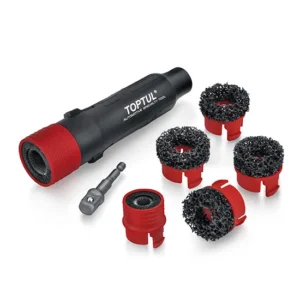
A hub cleaning tool is a specialized maintenance tool designed to clean wheel hub surfaces. Mechanics and vehicle owners use it to remove rust, corrosion, dirt, paint residue and debris from wheel hubs. The tool prepares the hub surface before wheel installation. A clean hub ensures proper wheel alignment and secure wheel mounting.
Modern automotive workshops use these tools during tire replacement, brake servicing, wheel balancing and general vehicle maintenance.
Why Wheel Hub Cleaning Is Important
Wheel hubs connect the wheels to the vehicle. Any corrosion or dirt between the wheel and hub can create uneven contact surfaces.
This uneven contact may cause several issues:
- Wheel vibration
- Improper wheel seating
- Increased wear on components
- Difficult wheel removal
- Reduced driving comfort
Regular cleaning helps maintain optimal performance and extends the lifespan of wheel-related components.
Common Problems Caused by Dirty Wheel Hubs
| Problem | Possible Result |
|---|---|
| Rust buildup | Uneven wheel mounting |
| Dirt accumulation | Poor wheel contact |
| Corrosion | Difficulty removing wheels |
| Debris deposits | Wheel vibration |
| Moisture exposure | Accelerated rust formation |
A clean hub surface helps eliminate these problems before they become costly repairs.
How a Hub Cleaning Tool Works
A hub cleaning tool uses abrasive cleaning discs, brushes or specially designed cleaning pads to remove contamination from hub surfaces. The process is simple and effective. The tool rotates against the hub surface, removing unwanted material without damaging the metal.
Most professional models are designed to attach directly to power drills, pneumatic tools or angle grinders. Manual versions are also available for smaller jobs.
The cleaning process typically includes:
- Inspecting the hub surface.
- Removing loose debris.
- Applying the cleaning tool.
- Cleaning until bare metal appears.
- Wiping away residue.
- Installing the wheel.
This method ensures proper wheel-to-hub contact.
Main Components of a Hub Cleaning Tool
Different designs exist, but most tools contain similar parts.
| Component | Function |
|---|---|
| Cleaning Disc | Removes rust and corrosion |
| Adapter | Connects the tool to the equipment |
| Mounting System | Secures cleaning attachment |
| Abrasive Material | Performs surface cleaning |
| Protective Housing | Improves user safety |
Each component contributes to efficient and controlled cleaning.
Types of Hub Cleaning Tools
Several types of hub cleaning tools are available in the automotive industry.
Manual Hub Cleaning Tools
Manual tools rely on hand pressure for cleaning. They are suitable for light maintenance tasks and occasional use.
These tools are affordable and easy to store.
Drill-Powered Tools
A hub cleaning tool designed for power drills offers faster cleaning and consistent results. Many repair shops prefer these models because they save time.
Drill-powered versions work well for medium-duty maintenance.
Pneumatic Hub Cleaning Tools
Pneumatic models operate using compressed air. Professional workshops often choose these tools because they provide high cleaning power.
They handle stubborn rust and heavy corrosion effectively.
Angle Grinder Attachments
Some cleaning systems attach to angle grinders. These tools remove severe corrosion quickly and efficiently.
They are commonly used in commercial vehicle maintenance facilities.
Industries That Use Hub Cleaning Tools
Although automotive workshops are the primary users, many industries benefit from these tools.
Automotive Repair Shops
Mechanics use a hub cleaning tool during brake replacement and tire servicing procedures.
Fleet Maintenance Centers
Fleet operators maintain large numbers of vehicles. Regular hub cleaning helps reduce downtime and repair costs.
Tire Service Centers
Wheel installation requires clean hub surfaces. Tire shops often use hub cleaning equipment daily.
Commercial Transportation
Heavy trucks operate in harsh environments. Cleaning tools help maintain wheel mounting surfaces.
Industrial Equipment Maintenance
Many industrial machines contain wheel hubs and rotating assemblies that require cleaning and inspection.
Benefits of Using a Hub Cleaning Tool
Using the proper cleaning equipment offers several advantages.
Improved Wheel Fitment
A clean mounting surface allows the wheel to sit correctly against the hub. This reduces installation problems and improves driving stability.
Reduced Vibrations
Corrosion can create uneven wheel contact points. Cleaning removes these imperfections. The result is a smoother driving experience.
Faster Maintenance
Technicians can complete wheel service more efficiently with the right tool. This reduces labor time and increases productivity.
Better Safety
Proper wheel installation contributes to vehicle safety. A clean hub helps ensure correct wheel torque and secure mounting.
Extended Component Life
Removing corrosive buildup protects wheel hubs and surrounding components. This can extend the lifespan of critical vehicle parts.
Features to Look for When Buying a Hub Cleaning Tool
Choosing the right tool depends on your needs.
Durability
Look for high-quality materials that resist wear during repeated use. Durable tools provide long-term value.
Compatibility
Ensure the tool works with your preferred equipment. Some models fit drills, while others require pneumatic systems.
Cleaning Efficiency
A good hub cleaning tool should remove rust quickly without damaging metal surfaces. Efficient cleaning reduces maintenance time.
Ease of Use
Simple designs improve productivity and reduce user fatigue. User-friendly tools are ideal for beginners and professionals.
Replacement Parts Availability
Choose products with readily available replacement discs and accessories. This helps reduce future maintenance costs.
Comparison of Common Hub Cleaning Tool Types:
| Tool Type | Speed | Best For |
|---|---|---|
| Manual Tool | Low | Light maintenance |
| Drill-Powered Tool | Medium | General repair work |
| Pneumatic Tool | High | Professional workshops |
| Grinder Attachment | Very High | Heavy corrosion removal |
Each option serves different maintenance requirements.
Best Practices for Using a Hub Cleaning Tool
Proper use improves results and extends tool life. 1. Always inspect the hub before cleaning. Look for cracks, excessive corrosion, or damage. 2. Wear safety glasses during operation. Small particles can become airborne during cleaning.
3. Apply moderate pressure while cleaning. Excessive force may wear cleaning discs prematurely.
4. Clean the entire mounting surface evenly. Consistent cleaning creates better wheel contact. 5. After cleaning, remove all residue before wheel installation.
Following these practices helps achieve professional results.
Maintenance Tips for Hub Cleaning Tools
Like any equipment, cleaning tools require maintenance.
Store tools in a dry environment to prevent corrosion.
Inspect abrasive discs regularly for wear.
Replace worn components when necessary.
Clean attachments after each use.
Follow manufacturer recommendations for maintenance intervals.
Proper care increases tool lifespan and maintains performance.
Signs That Your Vehicle Needs Hub Cleaning
Drivers often overlook wheel hub contamination until problems appear.
Watch for these warning signs:
| Sign | Possible Cause |
|---|---|
| Wheel vibration | Corrosion on the hub surface |
| Uneven wheel seating | Dirt buildup |
| Difficult wheel removal | Rust formation |
| Noise during driving | Improper wheel contact |
| Frequent balancing issues | Uneven mounting surface |
Future Trends in Hub Cleaning Technology
Automotive maintenance technology continues to evolve. Manufacturers are developing advanced abrasive materials that clean faster and last longer. Many modern hub cleaning tool systems feature improved ergonomic designs. These designs increase comfort and productivity. Eco-friendly cleaning solutions are also becoming more popular. They help reduce environmental impact while maintaining cleaning effectiveness.
As vehicle technology advances, maintenance tools will continue to improve.
Frequently Asked Questions
What is a hub cleaning tool used for?
A hub cleaning tool removes rust, corrosion, dirt and debris from wheel hub surfaces. It helps ensure proper wheel installation.
Can I use a hub cleaning tool with a cordless drill?
Yes. Many models are specifically designed for use with cordless and electric drills.
How often should wheel hubs be cleaned?
Wheel hubs should be cleaned whenever wheels are removed for tire rotation, brake service or wheel replacement.
Does hub cleaning improve vehicle safety?
Yes. Clean hub surfaces support proper wheel seating and secure wheel mounting.
Are hub cleaning tools suitable for trucks?
Yes. Many heavy-duty versions are designed for commercial trucks and fleet vehicles.
Can a hub cleaning tool remove heavy rust?
Professional pneumatic and grinder-based tools can remove heavy rust effectively.
Conclusion
A hub cleaning tool is an essential piece of equipment for maintaining clean and safe wheel mounting surfaces. Rust, corrosion and debris can affect wheel performance and create maintenance challenges. Regular cleaning improves wheel fitment, reduces vibration and supports vehicle safety. Whether you are a professional mechanic or a vehicle owner, investing in a quality hub cleaning tool can simplify maintenance and help prevent costly problems.
Choosing the right tool depends on your workload, equipment preferences and maintenance goals. With proper use and care, a reliable hub cleaning tool can provide years of dependable service.


