
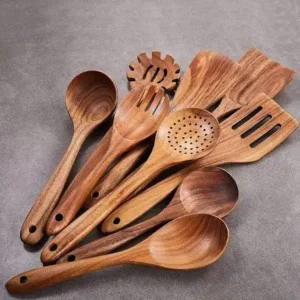
A kitchen does not need expensive tools to feel useful and welcoming. Simple wooden tools can make everyday cooking easier while adding a warm, natural look to your space.
Wooden kitchen gadgets remain popular because they are practical, comfortable and easy to use. From spoons and spatulas to cutting boards and rolling pins, wood works well for many everyday cooking tasks.
This guide explains the best wooden kitchen tools, their benefits, how to choose them and how to care for them properly. You will also learn which wooden tools are worth adding to your kitchen.
What Are Wooden Kitchen Gadgets?
Wooden kitchen gadgets are cooking and food-preparation tools made mainly from natural wood. They include spoons, spatulas, cutting boards, rolling pins, salad servers and other useful kitchen accessories.
Many people choose these tools because wood feels comfortable in the hand. Wood also does not scratch many cookware surfaces as easily as metal tools can.
The type of wood matters when choosing food-contact products. The FDA Food Code allows certain hard, close-grained woods, such as hard maple, for items like cutting boards, rolling pins, salad bowls and chopsticks.
Why Are Wooden Kitchen Gadgets Popular?
The appeal of wooden kitchen gadgets goes beyond their natural appearance. They combine simple design with useful performance for everyday cooking.
Wooden tools can also make a kitchen look warmer and less industrial. Their natural grain gives each piece a slightly different appearance.
Another benefit is that wooden tools can work well with many cookware types. A smooth wooden spatula can be useful when cooking in pans where you want to avoid unnecessary scratching.
Natural look and Comfortable Handling
Wood has a warm appearance that can complement modern, farmhouse, rustic and traditional kitchens. A wooden utensil holder can also turn ordinary cooking tools into part of your kitchen decor.
Wooden handles often feel comfortable during longer cooking sessions. Their shape can also provide a firm grip when stirring, mixing, or serving food.
Good for Everyday Cooking
A wooden spoon can handle many common cooking tasks. You can use it for stirring soups, mixing sauces, folding ingredients and serving food.
A wooden spatula can also help with stirring and turning food. However, always follow the care instructions provided by the manufacturer.
Best Types of Wooden Kitchen Gadgets
Different wooden tools serve different purposes. You do not need every tool available, so focus on products that match your cooking habits.
| Wooden Kitchen Tool | Main Use | Best For |
|---|---|---|
| Wooden Spoon | Stirring and mixing | Soups and sauces |
| Wooden Spatula | Turning and stirring | Frying and sautéing |
| Cutting Board | Food preparation | Fruits, vegetables and other foods |
| Rolling Pin | Flattening dough | Cookies and bread |
| Salad Servers | Serving salads | Family meals |
| Wooden Tongs | Picking up food | Serving and cooking |
| Mortar and Pestle | Grinding ingredients | Spices and herbs |
| Wooden Bowl | Mixing and serving | Salads and baking |
Wooden Spoons
A wooden spoon is one of the most useful kitchen tools for beginners and experienced cooks. Its simple shape makes it suitable for stirring, mixing and serving.
You can use a wooden spoon with soups, stews, sauces, rice dishes and many other recipes. It can also feel more comfortable than a metal spoon when you spend a long time cooking.
When choosing one, look for smooth surfaces, strong construction and a comfortable handle. Avoid tools with deep cracks, rough edges, or damaged surfaces.
Wooden Spatulas
Wooden spatulas can help stir, turn and move food around a pan. They are especially useful when you want a tool with a firm but gentle edge.
A good wooden spatula should have a smooth finish and a comfortable handle. The edge should also fit the type of cooking you normally do.
If you use nonstick cookware, always check the cookware manufacturer’s instructions before choosing a utensil. Proper utensils can help protect your cookware from unnecessary scratches.
Wooden Cutting Boards
A wooden cutting board can be a useful addition to a home kitchen. USDA guidance says consumers can use either wood or nonporous surfaces for cutting boards.
Food safety depends more on proper cleaning and separation than on simply choosing wood. USDA recommends considering separate boards for produce and raw meat, poultry and seafood to reduce cross-contamination.
Wooden boards also need regular inspection. Replace a board when deep grooves or excessive wear make the surface difficult to clean.
Wooden Rolling Pins
A rolling pin is useful for anyone who enjoys baking. It helps flatten dough for cookies, pizza, pastries, pie crusts and other baked foods.
Wooden rolling pins are popular because they are simple and easy to control. Look for a smooth surface that does not contain cracks or rough sections.
A comfortable design can also make rolling dough easier. Choose a size that fits your counter space and the types of recipes you normally prepare.
Wooden Salad Servers
Wooden salad servers can make serving food feel more natural and attractive. A spoon and fork combination is usually enough for tossing and serving many salads.
These tools can also complement wooden bowls and other natural kitchen accessories. Their simple appearance works well for everyday meals and casual gatherings.
Clean them after use and allow them to dry completely. Avoid leaving wooden tools wet for long periods because moisture can damage the material.
Wooden Mortar and Pestle
A wooden mortar and pestle can help crush herbs, spices, garlic and other ingredients. It provides a traditional way to prepare small amounts of ingredients.
However, wood can absorb flavors and moisture more easily than some nonporous materials. For this reason, consider what ingredients you plan to grind before buying one.
A smooth, well-made mortar is easier to maintain. Always check the manufacturer’s cleaning instructions before using water or cleaning products.
Best Wood Types for Kitchen Tools
Not all wood performs the same way in the kitchen. Hard, close-grained woods are commonly preferred for food-contact tools because they provide durability and a relatively smooth surface.
The following table shows common wood choices you may see when shopping.
| Wood Type | Common Features | Common Kitchen Uses |
|---|---|---|
| Hard Maple | Hard and close-grained | Cutting boards and utensils |
| Walnut | Dark and attractive | Boards and serving tools |
| Cherry | Warm natural color | Spoons and serving tools |
| Beech | Smooth and durable | Utensils and boards |
| Bamboo | Hard and moisture resistant | Cutting boards and utensils |
Bamboo is technically a grass rather than a traditional hardwood. USDA notes that bamboo cutting boards are harder and less porous than many hardwoods and recommends cleaning them with hot, soapy water.
Benefits of Wooden Kitchen Gadgets
The biggest advantage of wooden kitchen gadgets is their combination of usefulness and simple design. They can perform many everyday tasks without making your kitchen feel cluttered.
Wooden tools can also provide a natural alternative to some plastic and metal utensils. Their warm texture can make cooking feel more comfortable.
Another advantage is their appearance. A matching collection of wooden spoons, boards and serving tools can create a consistent kitchen style.
Are Wooden Tools Safe for Food?
Yes, properly made and maintained wooden tools can be suitable for food preparation. The FDA Food Code specifically permits certain hard, close-grained wood for several food-contact applications.
However, safety depends on condition and cleaning. A cracked, deeply grooved, or badly damaged wooden tool should not remain in regular food use.
The FDA also emphasizes cleaning kitchen utensils and food-contact surfaces to reduce the spread of harmful pathogens.
How to Clean Wooden Kitchen Gadgets
Proper cleaning can help your wooden tools last longer. After use, wash them with warm or hot soapy water according to the manufacturer’s instructions.
USDA recommends washing cutting boards with hot, soapy water after use, followed by rinsing and thorough drying.
Do not leave wooden tools sitting in a sink full of water. Long exposure to moisture can contribute to swelling, warping, cracking or other damage.
After washing, dry the surface and allow the tool to air dry completely. Store it in a dry and well-ventilated location.
Should You Put Wooden Kitchen Tools in the Dishwasher?
Many wooden utensils should not go into the dishwasher because repeated heat and moisture can damage the wood. Always check the product instructions before using a dishwasher.
Hand washing is often the safer choice for wooden spoons, spatulas and similar tools. Gentle cleaning can help preserve their shape and finish.
Cutting boards require special attention because cleaning requirements can differ by material and construction. USDA notes that solid wood boards can be washed in a dishwasher, while laminated boards may crack or split.
How to Maintain Wooden Kitchen Tools
Regular maintenance can extend the useful life of wooden kitchen products. Some unfinished or conditioned wooden items benefit from occasional food-safe mineral oil, depending on the manufacturer’s recommendations.
USDA specifically recommends mineral oil for bamboo cutting boards to help retain moisture.
Do not automatically use cooking oils as wood conditioners. Some food oils can become rancid over time, so choose a product specifically intended for food-contact wood when conditioning is recommended.
If a tool develops serious cracks, splinters, or deep grooves, replacement may be better than continued use. USDA recommends replacing excessively worn cutting boards that become difficult to clean.
Wooden vs Plastic Kitchen Tools
Choosing between wood and plastic depends on the job and your personal preferences. Both materials can work well when you clean and maintain them correctly.
Plastic tools often offer easy cleaning and many dishwasher-safe options. Wooden tools provide a natural appearance and can be comfortable for everyday cooking.
For cutting boards, USDA states that consumers can choose wood or nonporous materials such as plastic.
| Feature | Wooden Tools | Plastic Tools |
|---|---|---|
| Natural appearance | Excellent | Moderate |
| Comfortable grip | Usually good | Depends on design |
| Dishwasher use | Often limited | Often easier |
| Maintenance | Requires more care | Usually simpler |
| Cookware friendly | Often excellent | Depends on material |
| Style | Natural and warm | Modern and varied |
How to Choose the Right Wooden Kitchen Gadgets
Start by thinking about the cooking tasks you perform most often. A person who cooks soups may need several spoons, while a baker may benefit more from a rolling pin and wooden mixing tools.
Check the construction before buying. Look for smooth surfaces, solid handles, clean edges and food-contact-safe materials.
You should also consider storage. Tools that can hang easily or fit inside a utensil holder may work better in a small kitchen.
Avoid buying a large set simply because it looks attractive. A smaller collection of useful tools can provide more value than a drawer full of gadgets you rarely use.
Common Mistakes to Avoid
One common mistake is soaking wooden tools for long periods. Water can enter the wood and contribute to swelling or cracking.
Another mistake is ignoring damaged surfaces. Cracks and deep grooves can make cleaning more difficult, so inspect frequently used tools.
People also sometimes use the wrong cleaning products or oils. Always follow the care instructions for the specific product and use only food-safe products where required.
The FDA recommends cleaning utensils and surfaces that come into contact with food.
Are Wooden Kitchen Gadgets Eco-Friendly?
Wooden products can appeal to shoppers who prefer natural materials. However, environmental impact depends on factors such as the wood source, manufacturing process, product lifespan and disposal.
A durable tool that lasts for years may reduce the need for frequent replacement. Choosing well-made products and caring for them properly can help you get more use from each item.
Look for manufacturers that clearly explain their material sourcing and production practices. Avoid assuming that every wooden product automatically has a low environmental impact.
How Many Wooden Kitchen Tools Do You Need?
Most home cooks do not need a huge collection. A few versatile tools can cover many daily cooking tasks.
A practical starter collection could include a wooden spoon, spatula, cutting board, rolling pin if you bake and salad servers. You can add specialty tools later when your cooking needs increase.
The goal should be function rather than quantity. Choose tools that solve real problems in your kitchen.
Conclusion
Wooden kitchen gadgets offer a simple way to combine practical cooking tools with natural kitchen style. Spoons, spatulas, boards, rolling pins and serving tools can all have useful roles in a home kitchen.
The best products are smooth, well-made, food-contact appropriate and easy to maintain. Proper cleaning and careful storage can also help wooden tools stay useful for a long time.
If you are building a practical kitchen, start with versatile tools rather than buying everything at once. Choose products that match your cooking habits, cookware, storage space and cleaning routine.
Frequently Asked Questions
Are wooden kitchen gadgets good for everyday cooking?
Yes, many wooden tools work well for everyday cooking. Spoons, spatulas, boards and rolling pins can handle common kitchen tasks when properly maintained.
Are wooden utensils better than plastic?
Neither material is always better. Wooden utensils offer a natural feel and appearance, while plastic can provide easier cleaning and more dishwasher-friendly options.
Can wooden kitchen tools go in the dishwasher?
Some products may be dishwasher safe, but many wooden utensils require hand washing. Always follow the manufacturer’s instructions for the specific tool.
How do you keep wooden utensils from cracking?
Clean them gently, avoid prolonged soaking, dry them thoroughly and use an appropriate food-safe conditioner when the manufacturer recommends it.
Are wooden cutting boards safe?
Yes, USDA says consumers may use wood or nonporous cutting boards. Proper cleaning and separate boards for raw meat and ready-to-eat foods can help reduce cross-contamination.
When should you replace a wooden cutting board?
Replace it when it becomes excessively worn or develops deep grooves that are difficult to clean. USDA specifically recommends replacing boards in this condition.
What is the best wood for kitchen utensils?
Hard, close-grained woods are commonly suitable for food-contact applications. Hard maple is specifically recognized in the FDA Food Code for several kitchen uses.


