
Introduction
Many homeowners choose gas-powered appliances because they provide fast heating, reliable performance and lower operating costs in many areas. If you are planning to build a new home, remodel your kitchen, or reduce energy bills, you may wonder what home appliances use gas and whether they are the right choice for your home.
Understanding what home appliances use gas helps you make smart buying decisions. Gas appliances are common in kitchens, laundry rooms, garages and even outdoor living spaces. This guide explains the most common gas appliances, their benefits, safety tips, maintenance and how they compare with electric models.
What Does a Gas Appliance Mean?
A gas appliance is a device that uses natural gas or propane as its primary fuel source. These appliances burn gas to produce heat, which powers cooking, heating, drying or warming.
Natural gas reaches homes through underground pipelines, while propane is stored in tanks. Both fuels are efficient and widely used in residential properties.
Many homeowners ask what home appliances use gas because they want lower utility costs or more dependable performance during power outages.
Why Do Homeowners Choose Gas Appliances?
Gas appliances remain popular because they offer several practical advantages. Many professionals recommend gas for cooking and heating because it responds quickly and delivers steady heat.
Some key benefits include:
- Faster heating than many electric appliances
- Lower operating costs in many regions
- Better temperature control
- Reliable performance
- Long appliance lifespan
- Continued operation during some electrical outages with certain models
Gas appliances often cost more to install but may save money over time through lower fuel costs.
Common Home Appliances That Use Gas
The answer to what home appliances use gas includes several household essentials. Each appliance serves a different purpose while improving comfort and convenience.
| Appliance | Primary Purpose | Fuel Type |
|---|---|---|
| Gas Range | Cooking | Natural Gas / Propane |
| Gas Oven | Baking | Natural Gas / Propane |
| Water Heater | Heating Water | Natural Gas / Propane |
| Furnace | Home Heating | Natural Gas / Propane |
| Clothes Dryer | Drying Clothes | Natural Gas / Propane |
| Fireplace | Indoor Heating | Natural Gas / Propane |
| Outdoor Grill | Cooking Outdoors | Propane |
| Pool Heater | Heating Pools | Natural Gas / Propane |
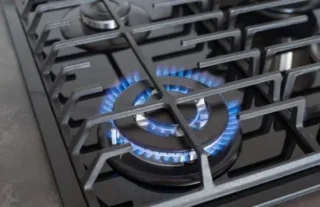
Gas Stoves and Gas Ranges
Gas stoves remain one of the most popular kitchen appliances. Professional chefs often prefer them because the flame changes instantly when adjusting the heat.
Gas burners provide:
- Quick cooking
- Better temperature control
- Even heat distribution
- Lower cooking times
Many families researching what home appliances use gas discover that gas ranges remain one of the best investments for daily cooking.
Modern gas ranges also include safety features like automatic ignition and flame failure protection.
Gas Ovens
Gas ovens bake food using heat created by burning natural gas or propane. They heat quickly and keep food moist because combustion creates a small amount of humidity.
Gas ovens work well for:
- Baking bread
- Roasting meat
- Cooking casseroles
- Preparing large meals
Many homeowners enjoy the natural moisture that gas ovens provide during baking.
Gas Water Heaters
Water heaters consume a significant amount of household energy. Gas water heaters often recover hot water much faster than electric models.
Benefits include:
- Fast hot water recovery
- Lower energy costs in many locations
- Reliable performance
- Long lifespan
Tank-style and tankless water heaters are available in gas models.
Gas Furnaces
Gas furnaces heat homes during cold weather by burning natural gas inside a heat exchanger. Warm air then travels through ducts into each room.
Gas furnaces offer:
- Fast heating
- High efficiency
- Comfortable indoor temperatures
- Lower heating costs in many climates
Modern high-efficiency furnaces can achieve efficiency ratings above 95%.
When discussing what home appliances use gas, furnaces rank among the largest gas consumers inside most homes.
Gas Clothes Dryers
Gas dryers use gas to produce heat while electricity powers the drum and controls.
Compared with electric dryers, gas models often:
- Dry clothes faster
- Use less electricity
- Reduce drying time
- Lower utility costs
Many busy families appreciate the faster drying performance.
Gas Fireplaces
Gas fireplaces create warmth without storing wood or cleaning ashes.
Advantages include:
- Instant heat
- Easy operation
- Clean burning
- Attractive appearance
- Low maintenance
Modern fireplaces use electronic ignition systems for improved safety.
Gas Pool Heaters
Many homeowners install gas pool heaters to extend the swimming season.
Gas pool heaters:
- Heat water quickly
- Work well in cool weather
- Maintain stable temperatures
- Operate efficiently for occasional use
Although they consume more fuel, they heat pools much faster than many electric heat pumps.
Gas Outdoor Grills
Outdoor cooking remains one of the biggest uses for propane.
Gas grills provide:
- Fast ignition
- Even cooking
- Adjustable heat
- Easy cleanup
Most outdoor grills use propane tanks, although some connect directly to natural gas lines.
Other Household Appliances That May Use Gas
Several additional appliances can also operate on natural gas.
These include:
| Appliance | Typical Use |
|---|---|
| Garage Heater | Heating garages |
| Patio Heater | Outdoor heating |
| Generator | Emergency electricity |
| Boiler | Home heating |
| Gas Lamp | Outdoor lighting |
| Space Heater | Heating small rooms |
These appliances may not appear in every home, but they remain common in many regions.
Natural Gas vs Propane Appliances
Although both fuels perform similarly, they have several important differences.
| Feature | Natural Gas | Propane |
|---|---|---|
| Fuel Source | Utility Pipeline | Storage Tank |
| Energy Content | Lower | Higher |
| Installation | Pipeline Required | Tank Required |
| Availability | Urban Areas | Rural Areas |
| Cost | Often Lower | Varies by Region |
Always purchase appliances designed for the correct fuel type.
Are Gas Appliances Energy Efficient?
Yes. Modern gas appliances are highly efficient.
High-efficiency gas furnaces and water heaters convert most of their fuel into usable heat. Many ENERGY STAR-certified gas appliances reduce energy waste significantly.
Efficiency depends on:
- Appliance age
- Maintenance
- Proper installation
- Usage habits
Replacing an old gas appliance with a newer model often reduces fuel consumption.
Are Gas Appliances Safe?
Modern gas appliances are very safe when installed correctly and maintained regularly.
Important safety practices include:
- Install carbon monoxide detectors.
- Check gas connections regularly.
- Schedule annual inspections.
- Keep appliance vents clear.
- Repair gas leaks immediately.
If you smell gas, leave the building immediately and contact your gas utility company. Never use electrical switches during a suspected gas leak.
How to Maintain Gas Appliances
Routine maintenance keeps appliances operating safely and efficiently.
Regular maintenance includes:
- Cleaning burners
- Inspecting vents
- Replacing furnace filters
- Checking pilot lights
- Testing carbon monoxide detectors
- Scheduling professional servicing
Proper maintenance also extends appliance lifespan.
How Long Do Gas Appliances Last?
The lifespan varies by appliance.
| Appliance | Average Lifespan |
|---|---|
| Gas Furnace | 15–20 Years |
| Gas Water Heater | 10–15 Years |
| Gas Range | 15–20 Years |
| Gas Dryer | 13–15 Years |
| Gas Fireplace | 15–20 Years |
Good maintenance can extend these averages.
Gas Appliances vs Electric Appliances
Many homeowners compare gas and electric appliances before making a purchase.
| Feature | Gas | Electric |
|---|---|---|
| Heating Speed | Faster | Moderate |
| Cooking Control | Excellent | Good |
| Installation Cost | Higher | Lower |
| Operating Cost | Often Lower | Depends on Electricity Rates |
| Maintenance | Moderate | Lower |
| Environmental Impact | Lower than coal electricity in many regions | Depends on Power Source |
The best choice depends on your local utility prices and household needs.
Should You Choose Gas Appliances?
Choosing gas appliances depends on several factors.
Consider gas appliances if:
- Natural gas service is available.
- You cook frequently.
- You want faster heating.
- You need lower long-term operating costs.
- Your area experiences winter power outages.
However, electric appliances may suit homes without gas service.
Future of Gas Appliances
New technology continues improving gas appliance efficiency.
Manufacturers now produce:
- Smart gas ranges
- Wi-Fi-connected water heaters
- High-efficiency furnaces
- Hybrid heating systems
Government efficiency standards also encourage safer and cleaner gas appliances.
As energy technology evolves, homeowners will continue comparing gas and electric options based on cost, performance and environmental impact.
Conclusion
Understanding what home appliances use gas helps homeowners choose appliances that match their budget and lifestyle. Gas ranges, furnaces, water heaters, dryers, fireplaces, grills and pool heaters remain popular because they offer fast heating, reliable performance and strong energy efficiency.
Before purchasing any appliance, compare installation costs, local fuel prices and long-term maintenance needs. Proper installation and regular servicing ensure safe operation for many years. By learning what home appliances use gas, you can confidently decide which appliances provide the greatest value for your home.
Frequently Asked Question
What home appliances use gas the most?
Gas furnaces and water heaters usually consume the most natural gas because they operate frequently throughout the year.
Is a gas stove better than an electric stove?
Many cooks prefer gas because it provides instant heat control and faster cooking performance.
Can gas appliances work during a power outage?
Some gas appliances continue working, but many modern models require electricity for ignition and safety controls.
Are gas appliances expensive to maintain?
No. Most gas appliances only require annual inspections and routine cleaning to stay efficient.
Is natural gas cheaper than electricity?
In many regions, natural gas costs less than electricity for heating and cooking. Actual savings depend on local utility prices.


