
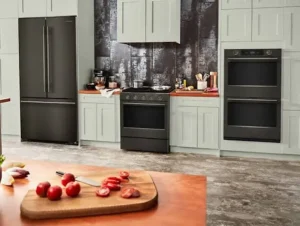
Mobile homes offer affordable and comfortable living, but they often require specially designed kitchen equipment. Choosing the right mobile home kitchen appliances improves cooking performance, saves energy and makes your kitchen more functional. The right appliances also fit smaller spaces without sacrificing convenience.
Many homeowners believe they can install standard kitchen appliances in a mobile home. While this is sometimes possible, many mobile homes have unique measurements and electrical requirements. Understanding these differences helps you make the best buying decision and avoid costly mistakes.
What Are Mobile Home Kitchen Appliances?
Mobile home kitchen appliances are kitchen devices designed or selected to fit the size, layout and utility systems commonly found in manufactured and mobile homes. They often have compact dimensions while providing the same essential features as traditional household appliances.
These appliances include refrigerators, ranges, ovens, microwaves, dishwashers and range hoods. Many manufacturers now produce energy-efficient models that work well in smaller kitchens without reducing performance.
Why Mobile Homes Need Special Kitchen Appliances
Mobile homes usually have smaller kitchens than traditional houses. Every inch of space matters, making appliance size one of the most important factors during installation.
Many manufactured homes also have different cabinet sizes, electrical systems and ventilation layouts. Choosing appliances designed for these spaces helps ensure a proper fit and safe operation.
Another benefit is energy efficiency. Compact appliances often consume less electricity, reducing monthly utility bills while supporting environmentally friendly living.
Key Features to Look for Before Buying
Before purchasing kitchen appliances, consider several important features. These factors help you select products that meet both your cooking needs and your available space.
| Feature | Why It Matters | Benefit |
|---|---|---|
| Compact Size | Fits smaller kitchens | Saves valuable space |
| Energy Efficiency | Uses less electricity | Lowers utility costs |
| Easy Installation | Fits existing layouts | Reduces remodeling expenses |
| Durable Materials | Lasts longer | Better long-term value |
| Safety Features | Protects your family | Safer daily cooking |
| Easy Cleaning | Simplifies maintenance | Keeps appliances looking new |
Selecting appliances with these features ensures better performance while increasing the comfort of your kitchen.
Types of Mobile Home Kitchen Appliances
Modern mobile homes support many kitchen appliances. Each appliance serves a unique purpose and helps make daily cooking easier.
Mobile Home Refrigerators
Refrigerators keep food fresh while maximizing available storage space. Many compact models include adjustable shelves, humidity-controlled drawers and energy-saving compressors.
Counter-depth refrigerators work especially well because they align with cabinets and create a cleaner kitchen appearance.
Mobile Home Ranges and Ovens
Ranges combine cooktops and ovens into one convenient appliance. Electric ranges remain common because many mobile homes already support electric hookups.
Gas ranges are also available if your home includes a proper gas connection. Always verify utility compatibility before purchasing a new range.
Microwave Ovens
Microwave ovens save time and reduce cooking effort. Over-the-range microwaves combine cooking functions with built-in ventilation, making them ideal for limited kitchen space.
Countertop models remain popular because they require little installation and offer flexible placement options.
Dishwashers
Compact dishwashers provide the convenience of automatic cleaning while fitting into smaller kitchens. Many slim models offer multiple wash cycles without using excessive water.
Portable dishwashers also work well for homeowners who prefer not to modify existing cabinets.
Range Hoods
Range hoods remove smoke, grease, and cooking odors. Proper ventilation improves indoor air quality and helps protect cabinets from moisture damage.
Modern range hoods include LED lighting and multiple fan speeds for greater cooking comfort.
Benefits of Choosing the Right Kitchen Appliances
The right appliances do more than prepare meals. They improve your daily lifestyle and increase your home’s overall functionality.
Some of the biggest advantages include:
- Better use of limited kitchen space
- Lower electricity consumption
- Faster meal preparation
- Easier cleaning and maintenance
- Improved cooking performance
- Enhanced kitchen appearance
Investing in quality appliances reduces repair costs and improves everyday convenience.
Standard Appliances vs Mobile Home Appliances
Many buyers wonder whether standard appliances work inside manufactured homes. The answer depends on available space and utility connections.
| Feature | Standard Appliances | Mobile Home Appliances |
|---|---|---|
| Size | Larger dimensions | Compact dimensions |
| Installation | Standard housing layouts | Manufactured home layouts |
| Energy Usage | Moderate to high | Usually energy efficient |
| Space Requirement | More cabinet space | Designed for smaller kitchens |
| Weight | Heavier | Often lighter |
| Best For | Traditional homes | Mobile and manufactured homes |
Understanding these differences helps homeowners avoid purchasing appliances that do not fit properly.
How to Measure Your Kitchen Before Buying
Accurate measurements prevent installation problems. Even a small mistake can make an appliance impossible to install.
Begin by measuring the height, width and depth of the available appliance space. Measure doorways and hallways to ensure the appliance can enter the kitchen without difficulty.
Leave enough clearance around refrigerators, ovens, and dishwashers for ventilation and door movement. Proper airflow improves performance and extends appliance life.
Choosing Energy-Efficient Appliances
Energy-efficient appliances reduce electricity usage while maintaining excellent performance. Many modern appliances carry ENERGY STAR® certification, indicating they meet high efficiency standards.
Look for features like inverter compressors, LED lighting, eco-wash cycles and smart temperature controls. These technologies reduce operating costs throughout the year.
Although efficient appliances may cost more initially, they often save money over time through lower utility bills and reduced maintenance.
Important Factors Before Installation
Installation involves more than placing an appliance into a space. Electrical outlets, water connections, gas lines and ventilation must all match the appliance specifications.
Always check the manufacturer’s installation guide before purchasing. Professional installation may also help maintain warranty coverage and ensure safe operation.
Proper installation increases appliance efficiency and reduces the risk of future repairs.
Why Quality Matters
Buying inexpensive appliances may save money at first, but lower-quality products often require frequent repairs. Investing in durable materials usually results in better long-term value.
Stainless steel finishes resist rust and scratches while adding a modern appearance. High-quality motors and compressors also provide quieter operation and longer service life.
Quality appliances improve reliability, helping homeowners enjoy worry-free cooking for many years.
How to Maintain Mobile Home Kitchen Appliances
Regular maintenance helps your appliances work efficiently and last for many years. Mobile home kitchen appliances perform better when you clean them often and inspect them for small problems before they become expensive repairs.
Wipe appliance surfaces after every use to prevent grease and food buildup. Clean appliances also improve kitchen hygiene and keep your cooking area looking fresh.
Refrigerators need extra attention because dirty condenser coils reduce cooling performance. Vacuum the coils every six months and check the door seals to prevent cold air from escaping.
Ovens should be cleaned after heavy cooking sessions to remove grease and food residue. Avoid using harsh chemicals that may damage protective coatings or heating elements.
Dishwashers also need routine care. Clean the filter regularly and run an empty cycle with vinegar to remove odors and mineral deposits.
Microwaves stay cleaner when you wipe the interior after heating food. Covering food while cooking also reduces splatters and shortens cleaning time.
Energy Efficiency Tips for Every Homeowner
Energy-efficient appliances help reduce electricity bills while protecting the environment. Small changes in your daily routine can also improve appliance performance.
Keep your refrigerator full, but avoid overloading it because proper airflow helps maintain a stable temperature. Set the refrigerator between 37°F and 40°F and the freezer at 0°F for the best efficiency.
Avoid opening the refrigerator door too often. Every time the door opens, warm air enters and forces the compressor to work harder.
Cook several dishes at once when using the oven. This method makes better use of the heat already being produced.
Turn off small appliances when they are not in use. Although many appliances consume little standby power, unplugging unused devices can still reduce electricity usage.
Common Installation Mistakes to Avoid
Installing kitchen appliances correctly ensures safe operation and long-lasting performance. Many homeowners make simple mistakes that later become expensive repairs.
One common mistake is purchasing appliances without measuring the available space. Even a difference of one inch can prevent proper installation.
Another mistake involves ignoring ventilation requirements. Refrigerators, ovens and microwaves need enough airflow to prevent overheating.
Many people also forget to verify electrical requirements before purchasing new equipment. Always confirm voltage, breaker capacity and outlet compatibility.
Improper water connections can also damage dishwashers and refrigerators with ice makers. Tight, leak-free plumbing connections protect cabinets and flooring.
Professional installation often saves money because it reduces the chance of future repairs.
Best Materials for Kitchen Appliances
The materials used in kitchen appliances affect durability, maintenance and appearance. Choosing high-quality finishes improves the value of your investment.
| Material | Benefits | Best Use |
|---|---|---|
| Stainless Steel | Rust-resistant, modern appearance | Refrigerators, ovens, dishwashers |
| Tempered Glass | Easy to clean, attractive | Oven doors and shelves |
| Aluminum | Lightweight and durable | Microwave interiors |
| Powder-Coated Steel | Scratch-resistant | Appliance panels |
| Ceramic Glass | Heat resistant | Electric cooktops |
Stainless steel remains one of the most popular choices because it combines durability with easy maintenance.
Choosing the Right Refrigerator
A refrigerator is often the largest appliance in the kitchen. Selecting the right model improves food storage while saving valuable space. Measure both the installation area and your doorways before making a purchase. This simple step prevents delivery problems. Look for adjustable shelving, humidity-controlled drawers and LED lighting. These features increase storage flexibility while reducing energy consumption.
Counter-depth refrigerators work especially well in mobile homes because they align neatly with surrounding cabinets.
Selecting the Best Cooking Range
Cooking ranges are available in electric, gas and induction models. The right option depends on your home’s utility connections and cooking preferences. Electric ranges remain the most common choice because many manufactured homes are already equipped with electric service. Gas ranges provide precise heat control but require proper gas connections and ventilation.
Induction cooktops offer excellent energy efficiency because they heat cookware directly instead of heating the cooking surface.
Compact Appliances Save More Space
Many homeowners choose compact appliances because they maximize available kitchen space. Smaller appliances also make the kitchen feel more open and organized. Compact refrigerators, narrow dishwashers and combination microwave ovens provide excellent performance while fitting into limited spaces. Many modern compact models include the same advanced features found in full-size appliances.
Smart Features Worth Considering
Technology has improved modern kitchens significantly. Today’s mobile home kitchen appliances often include smart features that increase convenience. Wi-Fi connectivity allows homeowners to monitor appliances through smartphone apps. Some refrigerators even send alerts if the door remains open. Smart ovens allow remote preheating and cooking notifications. These features help busy families prepare meals more efficiently. Touchscreen controls, voice assistant compatibility and automatic maintenance reminders have also become increasingly common. Although smart appliances cost more, many homeowners appreciate the additional convenience.
Kitchen Safety Tips
Safety should always remain a top priority. Proper appliance use reduces the risk of accidents and extends equipment life. Keep flammable materials away from ovens and cooktops. Never block ventilation openings around refrigerators or microwaves. Inspect power cords regularly for damage. Replace worn cords immediately to prevent electrical hazards. Install smoke detectors near the kitchen and test them every month. Children should never operate appliances without adult supervision.
Signs That It’s Time to Replace Your Appliances
Every appliance eventually reaches the end of its useful life. Recognizing the warning signs helps you avoid unexpected breakdowns. Replace appliances if they require frequent repairs, consume excessive electricity or no longer perform efficiently. Unusual noises, water leaks, inconsistent temperatures and rust often indicate serious wear. Older appliances may also lack modern safety and energy-saving features. Buying newer mobile home kitchen appliances often lowers utility costs while improving cooking performance and kitchen comfort.
Best Brands for Mobile Home Kitchen Appliances
Several trusted manufacturers produce reliable appliances that work well in manufactured and mobile homes. Mobile home kitchen appliances from reputable brands often provide better durability, energy efficiency and warranty support than cheaper alternatives.
The table below highlights some popular brands and their strengths.
| Brand | Best Known For | Ideal Appliance |
|---|---|---|
| Whirlpool | Reliability and energy efficiency | Refrigerators and ranges |
| GE Appliances | Modern technology and durability | Ovens and microwaves |
| Frigidaire | Affordable performance | Refrigerators and dishwashers |
| Samsung | Smart features | Refrigerators and microwaves |
| LG | Quiet operation | Dishwashers and refrigerators |
| Amana | Budget-friendly options | Electric ranges |
Before purchasing, compare appliance dimensions, warranty coverage and customer reviews. A quality appliance from a trusted brand usually provides better value over the long term.
Budget Planning Before Buying
Setting a budget helps you choose appliances that meet your needs without overspending. Higher-priced models often include advanced features, but many mid-range appliances offer excellent performance for everyday cooking.
Instead of focusing only on the purchase price, consider long-term operating costs. An energy-efficient appliance may cost more initially, but it can reduce electricity bills for many years.
Average Cost of Kitchen Appliances
The following table shows estimated price ranges for common kitchen appliances.
| Appliance | Estimated Price Range |
|---|---|
| Refrigerator | $600 – $2,000 |
| Electric Range | $500 – $1,500 |
| Microwave | $100 – $600 |
| Dishwasher | $400 – $1,200 |
| Range Hood | $150 – $800 |
Common Buying Mistakes
Many homeowners rush into buying appliances without proper planning. Avoiding these mistakes can save both time and money.
One of the biggest mistakes is choosing an appliance based only on appearance. A stylish appliance may not fit your available space or utility connections.
Another mistake is ignoring energy ratings. Efficient appliances reduce monthly electricity costs and often perform better over time.
Some buyers also forget to measure cabinet openings, doorways and hallways. Accurate measurements help prevent delivery and installation problems.
Finally, always read the warranty details before making a purchase. A longer warranty often reflects the manufacturer’s confidence in the product.
Future Trends in Kitchen Appliances
Kitchen appliances continue to improve as technology advances. Manufacturers now focus on energy savings, smart controls and environmentally friendly designs.
Voice-controlled appliances, automatic cooking programs and remote monitoring continue to become more common. These innovations make cooking easier while helping homeowners save time.
Many companies also use recyclable materials and eco-friendly manufacturing processes. These improvements support sustainable living without reducing performance.
Conclusion
Choosing the right mobile home kitchen appliances can completely transform your kitchen. The best appliances provide reliable performance, fit comfortably into smaller spaces and reduce long-term energy costs.
Take time to compare sizes, features, efficiency ratings and warranty coverage before making a final decision. With careful planning and regular maintenance, quality appliances will provide years of dependable service and make everyday cooking more enjoyable.
Frequently Asked Questions
1. What are mobile home kitchen appliances?
Mobile home kitchen appliances are appliances designed or selected to fit the smaller spaces and utility systems commonly found in manufactured and mobile homes.
2. Can I use regular kitchen appliances in a mobile home?
Yes, in many cases you can. However, you should always check the available space, electrical requirements, gas connections and ventilation before installation.
3. Which appliance is the most energy efficient?
Modern ENERGY STAR® certified refrigerators, dishwashers and induction cooktops are among the most energy-efficient kitchen appliances available today.
4. How often should I clean my kitchen appliances?
Clean appliance surfaces weekly and perform deep maintenance every three to six months. Regular cleaning improves efficiency and extends appliance life.
5. How long do kitchen appliances usually last?
Most quality kitchen appliances last between 10 and 15 years, depending on the brand, maintenance and frequency of use.
6. Should I hire a professional installer?
Yes. Professional installation helps ensure safe operation, proper utility connections and warranty protection.


