
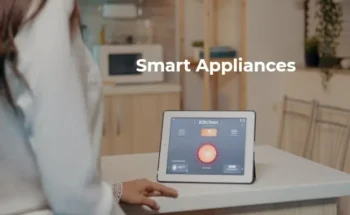
Smart home technology is changing how people cook, clean and manage their daily tasks. From refrigerators that help track groceries to washing machines that send alerts to your phone, modern appliances offer features that make everyday life easier and more organized.
But how do these devices work and are they worth the money? Understanding what are smart appliances can help you decide which products fit your home, lifestyle and budget. This guide explains their meaning, common types, benefits, limitations and practical uses in simple English.
What Are Smart Appliances?
Smart appliances are household devices that use internet connectivity, sensors, software, or automated controls to perform tasks more conveniently. Many models connect to a smartphone app, allowing users to monitor settings, receive notifications and control certain functions from another room or location.
Unlike traditional appliances, smart models can offer extra features beyond basic operation. For example, a smart washing machine may let you start a cycle from your phone, while a smart refrigerator may help you manage food storage and adjust cooling settings.
The main purpose of smart appliances is to improve convenience, control and efficiency in everyday household activities. However, the available features depend on the appliance brand, model and connected services.
How Do Smart Appliances Work?
Smart appliances combine hardware and software to carry out different tasks. Depending on the model, they may use Wi-Fi, Bluetooth, sensors, mobile applications, or a smart home platform to communicate with users and other devices.
For example, a smart air conditioner can connect to your home Wi-Fi network. You can then use its mobile app to change the temperature, create schedules, or check its current operating status without using the physical remote.
Many smart appliances also use sensors to collect information about their surroundings. A smart dishwasher may detect the amount of dirt on dishes, while a smart vacuum may map rooms to plan a cleaning route.
Some models support voice assistants, such as Amazon Alexa or Google Home-compatible systems. These features allow users to control supported functions with voice commands, although setup and compatibility requirements vary.
Main Technologies Used in Smart Appliances
| Technology | How It Works | Example |
|---|---|---|
| Wi-Fi | Connects an appliance to a home network and compatible online services | Smart refrigerator |
| Bluetooth | Allows nearby devices to communicate wirelessly | Connected kitchen device |
| Sensors | Detect temperature, movement, moisture, or other conditions | Smart washing machine |
| Mobile apps | Let users monitor settings and control supported features | Smart air conditioner |
| Voice control | Responds to supported spoken commands through a compatible assistant | Smart lights |
| Automation | Runs tasks according to schedules or selected conditions | Programmable thermostat |
Not every smart appliance uses all these technologies. Always check the product specifications before buying, especially if you want remote access, voice control, or automatic operation.
Types of Smart Appliances for Modern Homes
Smart technology now appears in many areas of the home. Choosing the right devices depends on your daily routine, available space and the tasks you want to simplify.
1. Smart Refrigerators
Smart refrigerators offer features that help users manage food storage and cooling settings. Some models include digital displays, internal cameras, door-open alerts and connected applications that let users check selected information remotely.
Certain refrigerators can also provide maintenance notifications or help users keep track of stored food. Advanced models may offer shopping lists, recipe suggestions, or inventory tools, but these features are not available on every device.
A smart refrigerator can be useful for busy families that want better control over food storage. Still, a standard refrigerator may provide better value if you only need reliable cooling and do not plan to use connected features.
2. Smart Washing Machines
Smart washing machines help users manage laundry with connected controls and automated programs. Depending on the model, you may be able to select a wash cycle, receive completion alerts, download additional programs, or check for maintenance issues through an app.
Some models also use sensors to adjust water levels or washing settings according to the load. These features can support more convenient laundry routines, although actual water and energy savings depend on the machine, selected cycle and how you use it.
3. Smart Dishwashers
Smart dishwashers combine traditional dishwashing functions with connected controls and monitoring tools. Some models let you start or schedule a wash, receive an alert when the cycle finishes and check maintenance notifications on your phone.
Certain dishwashers use sensors to estimate how dirty the dishes are and adjust the washing process. This can reduce the need to choose settings manually, but users should compare cleaning performance, water use and operating costs before making a purchase.
4. Smart Ovens and Cooking Appliances
Smart ovens allow users to monitor cooking progress and adjust selected settings through compatible applications. Some models provide cooking notifications, preset programs, temperature monitoring and guided cooking features.
Connected air fryers, multicookers and coffee makers may also offer remote monitoring or scheduled functions. However, remote monitoring does not always mean an appliance can safely start heating without someone present, so follow the manufacturer’s instructions carefully.
These products can help people manage cooking more easily, particularly when they prepare meals frequently. They should complement safe cooking habits rather than replace supervision when supervision is necessary.
5. Smart Vacuum Cleaners
Smart robot vacuums use sensors, navigation systems and software to clean floors with less manual effort. Many models allow users to schedule cleaning, select rooms, set restricted areas and monitor cleaning progress through an app.
Some advanced models create maps of the home and automatically return to a charging station. Depending on the product, they may also support voice control or connect with other smart home devices.
A smart vacuum can be especially useful for homes with busy schedules or large floor areas. However, you should consider battery life, suction performance, floor types, maintenance costs and replacement parts before choosing one.
6. Smart Air Conditioners and Thermostats
Smart air conditioners and thermostats help users manage indoor temperatures through connected controls and schedules. Some models allow remote adjustments, temperature monitoring and automatic changes based on selected settings or sensor readings.
These features can improve comfort and help reduce unnecessary cooling or heating when used correctly. However, smart temperature controls do not guarantee lower energy bills, because savings depend on insulation, weather, equipment efficiency and household habits.
7. Smart Lights and Plugs
Smart lights let users control brightness, color and schedules through an app or compatible voice assistant. Smart plugs can add connected control to certain ordinary electrical devices without replacing the entire appliance.
For example, you may use a compatible smart plug to schedule a lamp or switch it off remotely. However, always check the plug’s power rating and device compatibility and never use one to control equipment that requires a specific safety-rated connection.
Key Benefits of Smart Appliances
Smart appliances offer several advantages, but their value depends on how well their features match your needs. Understanding these benefits can help you choose products that make a real difference in your home.
Greater Convenience
One of the biggest advantages is the ability to control supported functions without standing beside an appliance. You can receive a laundry alert, check an air conditioner’s settings, or schedule a robot vacuum through a compatible mobile application.
This convenience can save time during busy mornings and evenings. It also helps users manage household tasks when they are working, studying, or caring for family members.
Better Control and Monitoring
Connected appliances can provide useful information about their current status. For example, an app may show whether a washing cycle has finished or alert you when a refrigerator door remains open.
These notifications help users respond quickly to certain problems. However, connected alerts cannot replace regular inspection, cleaning, or professional maintenance when needed.
Possible Energy Savings
Some smart appliances offer scheduling, energy monitoring, or automatic operating modes. These tools may help users avoid unnecessary operation and make more informed choices about energy use.
For instance, a programmable thermostat can adjust temperature settings according to your routine. Energy savings depend on the appliance’s efficiency and your usage habits, not simply on having a Wi-Fi connection.
Improved Household Organization
Smart devices can help families coordinate everyday activities. Shared applications, scheduled cleaning and cycle-completion alerts make it easier to know when a task needs attention.
Some connected kitchen appliances also support shopping lists or food management. These tools may reduce forgotten tasks, although users still need to update information and maintain sensible household routines.
Remote Access to Supported Functions
Many smart appliances let users check or change selected settings when they are away from home. This feature can be useful when you forget to adjust an air conditioner or want to check a device’s status before returning.
Remote access requires a compatible appliance, an appropriate network connection and the correct app configuration. Certain functions may also require an active account or subscription.
Disadvantages of Smart Appliances
Although connected technology offers useful features, it also introduces costs and challenges that traditional appliances may not have.
Higher Purchase Prices
Smart appliances often cost more than comparable basic models. Features such as touchscreens, advanced sensors, cameras and connected software can increase the purchase price.
Before paying extra, consider which features you will actually use. A simple appliance with strong performance and a good warranty may offer better value than a connected model with features you rarely need.
Internet and App Dependence
Some smart functions depend on a working internet connection, while others operate locally or through Bluetooth. If the network fails, remote control and cloud-based services may stop working even when the appliance’s basic functions remain available.
Check whether the device can still perform its main job without internet access. This is particularly important for appliances you use every day.
Privacy and Security Concerns
Connected appliances may collect information about device usage, settings, or household routines. Models with cameras, microphones, or cloud accounts can introduce additional privacy considerations.
Choose reputable manufacturers, install software updates, use strong and unique passwords and enable extra account protection when available. Review app permissions and privacy settings before connecting a device to your home network.
Repairs and Compatibility Issues
Smart appliances may include electronic parts and software that require specialized troubleshooting. Repair costs can vary and some features may become limited if a manufacturer ends support for an app or online service.
Compatibility also matters when you want devices to work together. Check supported platforms, operating requirements, warranty coverage and long-term software support before purchasing.
Smart Appliances vs. Traditional Appliances
Both smart and traditional appliances can handle everyday household tasks. The main difference lies in connectivity, automation, monitoring and the level of control available to the user.
| Feature | Smart Appliances | Traditional Appliances |
|---|---|---|
| Basic operation | Performs everyday tasks | Performs everyday tasks |
| Smartphone control | Available on supported models | Usually unavailable |
| Remote notifications | Available on connected models | Usually unavailable |
| Automation | May support schedules and smart routines | Usually relies on manual controls or basic timers |
| Purchase price | Often higher | Often lower |
| Internet requirement | Needed for many connected features | Usually not required |
| Privacy considerations | May involve accounts and connected data | Usually fewer connected-data concerns |
| Maintenance | May include software updates and electronic troubleshooting | Often uses simpler controls |
The best choice depends on your budget and priorities. Traditional appliances remain practical for users who want simple operation, while smart models suit people who value remote access and connected features.
Are Smart Appliances Worth Buying?
Smart appliances can be worth buying when their features solve a real problem in your daily routine. For example, a robot vacuum may save time on regular floor cleaning, while a connected washing machine may help a busy family manage laundry more easily.
However, buying every available smart device is rarely necessary. Start with appliances that address your biggest household challenges, then compare their performance, operating costs, warranty and compatibility.
Consider the total cost rather than the purchase price alone. Electricity use, water consumption, replacement filters, repairs, subscriptions and accessories can affect the long-term value of an appliance.
You should also decide whether connected functions are essential or simply attractive extras. If you mainly need reliable cooking, cooling, or cleaning, a high-quality traditional appliance may meet your needs at a lower cost.
How to Choose the Right Smart Appliances
Choosing suitable products becomes easier when you focus on everyday needs rather than marketing claims. Compare several models and check their technical specifications before making a final decision.
Identify Your Household Needs
Start by deciding which task you want to make easier. If you frequently forget laundry cycles, choose a washing machine with useful completion alerts; if cleaning takes too much time, compare robot vacuums with suitable navigation and scheduling features.
Check Compatibility
Confirm that the appliance works with your phone, home Wi-Fi network and preferred smart home platform. If you already use a voice assistant, check whether the new device supports that exact platform and the functions you want.
Compare Energy and Water Efficiency
Look for reliable efficiency information and compare the appliance’s expected operating costs. For refrigerators, washing machines, dishwashers and air conditioners, efficiency can affect household expenses over years of use.
Review Security and Warranty Details
Read the manufacturer’s privacy policy, update policy, warranty terms and support information. Make sure you understand whether important features depend on a cloud account or a paid subscription.
Set a Realistic Budget
Compare the price difference between smart and traditional models before deciding. Choose connected features that provide practical value and avoid spending extra money on functions that do not match your routine.
Tips for Using Smart Appliances Safely
Smart appliances need both physical care and sensible digital security practices. Following basic precautions can help you use connected features with greater confidence.
Keep device software and mobile applications updated when manufacturers provide security fixes. Use a strong Wi-Fi password and avoid sharing appliance accounts with people who do not need access.
Follow the manufacturer’s installation and maintenance instructions, especially for appliances that use water, gas, electricity, or heating elements. Never bypass safety features to enable remote operation and use qualified professionals for installation or repairs when required.
Finally, review connected settings from time to time. Disable unused features, check account permissions and confirm that automatic schedules still match your household’s needs.
Frequently Asked Questions About Smart Appliances
1. What are smart appliances used for?
Smart appliances help people manage household tasks through connected controls, sensors, mobile apps and automation. Common uses include monitoring laundry, scheduling cleaning, adjusting temperatures and receiving maintenance alerts.
2. Do smart appliances need Wi-Fi?
Many smart appliances need Wi-Fi for remote control, app access and cloud-based features. However, some functions may work through Bluetooth or local controls and basic operation may continue without an internet connection.
3. Do smart appliances save electricity?
Smart appliances may reduce electricity use through scheduling, sensors and automatic settings. Actual savings depend on the appliance’s energy rating, usage patterns, electricity prices and the features you enable.
4. Are smart appliances expensive?
Smart appliances often cost more than traditional models because they include connected features and advanced controls. Compare the purchase price, expected running costs, repair expenses and warranty before deciding whether the extra features justify the cost.
5. Can smart appliances work with Alexa or Google Home?
Some smart appliances support Amazon Alexa or Google Home-compatible systems, allowing users to control selected functions through voice commands. Always check the exact model’s compatibility because not every connected appliance supports every platform.
6. Are smart appliances safe to use?
Smart appliances can be safe when users install, maintain and operate them according to the manufacturer’s instructions. Use strong passwords, install security updates and follow all electrical, heating and cooking safety guidelines.
7. What is the difference between a smart appliance and a regular appliance?
A smart appliance offers connected features such as remote monitoring, app control, notifications, or automation. A regular appliance usually relies on physical controls and performs its main task without requiring internet connectivity.
8. Which smart appliance should I buy first?
Start with the appliance that solves your biggest daily problem. A robot vacuum may help reduce cleaning time, while a smart thermostat or air conditioner may provide more convenient temperature control.
Conclusion
Smart technology is making household tasks easier to manage by combining familiar appliances with connectivity, sensors and automation. Understanding what are smart appliances helps you compare their features, identify useful benefits and decide whether connected technology suits your home.
You do not need to replace every appliance to create a smarter home. Start with practical upgrades, compare energy efficiency and reliability and choose products that fit your budget and routine.
With careful planning, the right smart appliances can improve convenience, simplify household management and help you make better use of your home’s resources without paying for features you do not need.


