
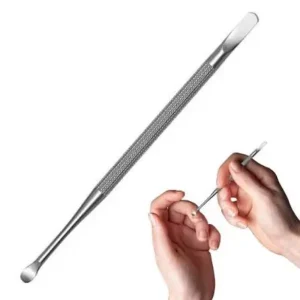
Clean nails are an important part of good personal hygiene. Dirt, dust, dead skin and other particles can collect under the nails during everyday activities, especially when you work with your hands, cook, garden or play outdoors.
An under nail cleaning tool can help remove this buildup from areas that are difficult to reach with regular hand washing. However, choosing the right tool and using it gently matters because the skin under and around your nails can become irritated if you clean too aggressively.
What Is an Under Nail Cleaning Tool?
An under nail cleaning tool is a small hygiene accessory designed to remove dirt and debris from beneath the fingernails or toenails. These tools come in different shapes and materials, including nail brushes, soft cleaning picks and manicure tools designed for nail care.
Some tools focus on brushing away dirt, while others use a narrow tip to reach small spaces. The safest choice depends on your nail condition, the type of dirt present and how sensitive your surrounding skin is.
Many people use these tools as part of a regular manicure or personal hygiene routine. They can also be useful after activities that leave visible dirt on the hands, such as gardening, cooking, crafts or outdoor work.
Why Is Cleaning Under Your Nails Important?
Your hands touch many surfaces throughout the day. As a result, dirt and other unwanted material can become trapped underneath your nails.
Washing your hands with soap and clean running water is the main step for maintaining hand hygiene. The Centers for Disease Control and Prevention recommends cleaning the hands thoroughly, including areas around and under the nails.
When nails become long, debris can have more space to collect underneath them. Keeping nails trimmed and cleaning them during hand washing can make everyday nail hygiene easier.
An under nail cleaning tool can provide extra help when normal washing does not remove visible debris. It should support hand hygiene rather than replace proper handwashing.
Types of Under Nail Cleaning Tools
The nail-care market includes several tools for cleaning underneath nails. Each option has different benefits, so understanding their differences can help you select an appropriate product.
Nail Brush
A nail brush is one of the simplest options for everyday cleaning. It usually has small bristles that help remove dirt from around and underneath the nails when combined with soap and water.
A soft-bristled brush is generally more comfortable for regular use than a stiff brush. Gentle brushing can help clean the nail area without unnecessary pressure on the surrounding skin.
Nail Cleaning Pick
A nail cleaning pick has a narrow end that can reach small spaces under the nail. Some manicure kits include this type of tool alongside nail files and other nail-care accessories.
These tools require more care because pressing a sharp or rigid tip too deeply can irritate the skin. Use only light pressure and avoid digging into the skin beneath the nail.
Manicure Cleaning Tool
Some manicure sets contain a dedicated nail cleaner with a rounded or shaped end. These tools are often made from stainless steel and can be cleaned between uses.
They may work well for people who already follow a manicure routine. However, a reusable metal tool should always be cleaned and disinfected according to the manufacturer’s instructions.
Electric Nail Cleaning Devices
Some modern nail-care devices use small rotating or vibrating parts to help clean or maintain nails. These products are less common for basic hygiene and may be designed for specific manicure purposes.
They are not necessary for ordinary nail cleaning. For most people, soap, water, nail trimming and a simple nail brush provide an easier approach to routine hygiene.
How to Choose the Best Under Nail Cleaning Tool
Choosing a nail cleaning tool does not have to be complicated. Start by considering how often you need it and whether you want a simple disposable or reusable option.
Material
Tools can be made from plastic, silicone, wood or stainless steel. Each material has different cleaning and durability characteristics.
Stainless steel can be durable and easy to clean when maintained correctly. Soft silicone or plastic may provide a gentler option for people who prefer a less rigid cleaning surface.
Brush Texture
If you prefer a nail brush, pay attention to the bristle texture. Very stiff bristles may feel uncomfortable when used frequently.
A moderately soft brush can provide effective cleaning while reducing unnecessary friction around the nails. You should also replace a brush when the bristles become damaged or difficult to clean.
Handle Design
A comfortable handle makes a small hygiene tool easier to control. Look for a design that fits securely in your hand and does not become difficult to hold when wet.
A non-slip grip can be useful because soap and water can make tools slippery. Good control also helps you avoid applying too much pressure.
Cleaning and Storage
A reusable tool needs proper cleaning after use. Leaving a wet tool in a closed container can create an environment where unwanted microorganisms may grow.
Rinse the tool thoroughly, clean it according to its material and manufacturer’s instructions and allow it to dry completely before storing it. Dry storage is an important part of maintaining a reusable personal-care tool.
How to Use an Under Nail Cleaning Tool Safely
Using a nail cleaning tool correctly is more important than using it frequently. Start by washing your hands with clean running water and soap.
If you are using a nail brush, apply soap and gently brush around the nail edges and underneath the free edge of the nail. Do not scrub hard just because dirt remains visible after one pass.
If you use a narrow cleaning tool, keep the movement gentle and shallow. Never force a rigid tip deeply underneath the nail because this can irritate or injure the sensitive tissue underneath it.
After cleaning, rinse your hands thoroughly. Dry your hands with a clean towel or allow them to dry naturally.
The following routine can make nail cleaning simple:
| Step | What to Do | Why It Matters |
|---|---|---|
| 1 | Wet your hands | Helps loosen surface debris |
| 2 | Apply soap | Helps clean the hands and nail area |
| 3 | Gently clean nails | Removes visible dirt |
| 4 | Rinse thoroughly | Removes soap and loosened debris |
| 5 | Dry your hands | Helps keep the skin comfortable |
| 6 | Clean the tool | Keeps it ready for the next use |
Under Nail Cleaning Tool vs Nail Brush
People often use these terms interchangeably, but they can describe different products. A nail brush normally uses bristles, while an under nail cleaning tool can refer to a wider range of products designed to reach underneath or around the nail.
A nail brush is usually better suited to routine cleaning because it combines cleaning with gentle brushing. A narrow tool may be useful for specific debris that remains after normal washing.
| Feature | Nail Brush | Nail Cleaning Pick |
|---|---|---|
| Main purpose | Routine nail cleaning | Reaching small areas |
| Surface | Bristles | Narrow tip |
| Ease of use | Easy | Requires more control |
| Everyday use | Often suitable | Use with greater care |
| Cleaning | Wash and dry | Clean and disinfect as directed |
For everyday hygiene, a soft nail brush may be the more practical choice. A narrow tool can be kept for occasional use when appropriate.
How Often Should You Clean Under Your Nails?
There is no single schedule that works for everyone. Your cleaning needs can change depending on your daily activities, nail length and how easily dirt collects underneath your nails.
People who work with soil, food, paint or other materials may notice more buildup. In these situations, clean your hands and nails whenever they become visibly dirty rather than waiting for a fixed weekly routine.
Regular handwashing is more important than repeatedly scraping underneath the nails. Excessive cleaning can irritate the surrounding skin, especially when you use too much pressure.
Common Mistakes to Avoid When Cleaning Nails
One common mistake is using a sharp object to scrape aggressively under the nail. This can irritate the skin and create small injuries that make the area uncomfortable.
Another mistake involves sharing personal nail-care tools. Nail tools can come into contact with skin and debris, so personal hygiene tools should ideally remain for individual use.
Using a dirty brush is another problem. A nail brush should be cleaned after use and allowed to dry properly before the next use.
People sometimes also forget about nail length. Keeping nails at a manageable length can reduce the amount of space where dirt collects.
How to Clean and Maintain Your Nail Cleaning Tool
A reusable nail-care tool needs attention after every use. First, remove visible debris and rinse the tool with clean water.
For a brush, wash the bristles carefully and make sure no dirt remains trapped between them. Then place the brush somewhere clean where it can dry completely.
For reusable metal tools, follow the cleaning and disinfection instructions supplied by the manufacturer. Do not assume that simply rinsing a reusable tool makes it fully clean.
Avoid storing damp tools inside closed bags or containers. Proper drying and storage can help keep your personal-care equipment in better condition.
Are Nail Cleaning Tools Safe for Everyone?
Most basic nail-cleaning methods are suitable for ordinary personal hygiene when used gently. However, people with painful, damaged, inflamed or unusually sensitive nails should avoid aggressive cleaning.
If the skin around a nail becomes painful, swollen or shows other concerning changes, cleaning harder is not the answer. Consider asking a qualified healthcare professional for advice when nail or skin problems persist.
Children also need supervision when using narrow or rigid manicure tools. A soft nail brush may be easier and safer for routine cleaning.
Benefits of Using a Nail Cleaning Tool
A suitable nail cleaning tool can make nail hygiene more convenient. It can help remove visible dirt from areas that may not receive enough attention during quick handwashing.
A brush can also help you clean around the nail edges without needing to use a sharp object. This makes it a practical addition to a basic personal-care routine.
Other potential benefits include:
- Easier removal of visible dirt
- Better attention to nail hygiene
- Convenient use during manicure routines
- Simple maintenance when properly cleaned
- Useful support for people who frequently work with their hands
The tool itself does not create good hygiene. Your overall routine, including proper handwashing and sensible nail care, remains the most important factor.
Under Nail Cleaning Tool for Manicure and Pedicure Care
Nail cleaning is often included in manicure and pedicure routines. Before applying nail polish or other cosmetic products, people may want to remove visible dirt from their nails.
A gentle cleaning process can help nails look neat without excessive scraping. You should always avoid damaging the natural nail or surrounding skin simply to achieve a cleaner appearance.
When preparing for a manicure, clean your hands first. Then use an appropriate tool gently, rinse away remaining debris and dry your hands before continuing with other nail-care steps.
How to Keep Nails Clean Without Special Tools
You do not always need a special product to maintain clean nails. Regular handwashing with soap and clean running water remains the foundation of hand hygiene.
Keep nails trimmed to a comfortable length and pay attention to the area beneath the nails during washing. If visible dirt remains, a clean soft nail brush can provide additional help.
Simple habits usually provide more value than buying complicated nail-care equipment. A small brush, soap, water and clean storage can be enough for many people.
Under Nail Cleaning Tool Buying Guide
Before buying a nail cleaner, think about your normal routine rather than choosing the most complicated product. A simple tool that you can clean easily may be more useful than an expensive product with features you will rarely use.
Consider the following factors before making a purchase:
| Buying Factor | What to Look For |
|---|---|
| Material | Durable and easy to clean |
| Bristles | Soft or moderate texture for gentle cleaning |
| Grip | Comfortable and secure when wet |
| Size | Easy to store and carry |
| Maintenance | Simple washing and drying |
| Durability | Strong enough for regular use |
| Safety | No unnecessarily sharp edges for routine cleaning |
The best choice should match your personal hygiene needs. Comfort, cleanliness, ease of maintenance and safe handling matter more than having the most features.
Conclusion
Clean nails support good personal hygiene and can make your hands look neat and well cared for. The right under nail cleaning tool can make it easier to remove visible debris from areas that are sometimes missed during normal washing.
However, effective nail care does not require aggressive scraping or complicated equipment. Choose a simple, easy-to-clean tool, use gentle pressure, keep your nails at a manageable length and maintain good handwashing habits.
With these simple habits, you can keep your nails cleaner while reducing unnecessary irritation. A practical nail-care routine should always focus on cleanliness, comfort, safe handling and consistent hygiene.
Frequently Asked Questions
What is the best tool for cleaning under nails?
A soft nail brush is a practical option for routine nail cleaning. It can remove visible dirt with soap and water without requiring a sharp object underneath the nail.
Can I use an under nail cleaning tool every day?
You can clean your nails regularly, but you should avoid aggressive scraping or excessive pressure. Gentle cleaning during normal handwashing is generally a better approach than repeatedly digging underneath the nail.
Can I use a toothpick to clean under my nails?
It is better to avoid using sharp household objects for nail cleaning. A purpose-designed nail brush or appropriate nail-care tool gives you better control and reduces the temptation to scrape aggressively.
How do I clean a reusable nail tool?
Start by removing visible debris and washing the tool according to its material and manufacturer’s instructions. Let it dry completely before storing it.
Should I clean my nails before or after washing my hands?
Wash your hands with soap and clean running water while paying attention to the nail area. If visible dirt remains, gently clean it and rinse your hands thoroughly afterward.
Can children use nail cleaning tools?
Children should use nail-care tools with age-appropriate supervision. A soft nail brush is generally easier to control than a sharp or narrow cleaning instrument.
Why does dirt keep collecting under my nails?
Dirt can collect because the hands frequently touch surfaces and materials throughout the day. Longer nails can also provide more space for debris to accumulate.
Can nail cleaning tools replace handwashing?
No. A nail cleaning tool does not replace proper handwashing. Soap, clean running water, thorough cleaning and proper drying remain the foundation of hand hygiene.


