
Summer can make a home uncomfortable when indoor temperatures rise throughout the day. Choosing the right cooling appliance can help maintain a more comfortable living space while also controlling electricity use and household costs.
The phrase summertime home cooling appliances abbr can be useful when researching the short forms and common names used for home cooling equipment. These appliances include air conditioners, fans, evaporative coolers, ceiling fans, portable coolers and other devices designed to improve comfort during hot weather.
What Does Summertime Home Cooling Appliances Abbr Mean?
The term summertime home cooling appliances abbr refers to abbreviations or shortened names used for appliances that help cool homes during summer. Common examples include AC for air conditioner, HVAC for heating, ventilation and air conditioning and EC for evaporative cooler.
Understanding these abbreviations makes it easier to read product descriptions, appliance manuals, energy guides and online information. It also helps homeowners compare different cooling technologies without becoming confused by technical terms.
| Cooling Appliance | Common Abbreviation | Main Purpose |
|---|---|---|
| Air Conditioner | AC | Lowers indoor temperature |
| Heating, Ventilation and Air Conditioning | HVAC | Controls indoor heating and cooling |
| Evaporative Cooler | EC | Uses water evaporation for cooling |
| Ceiling Fan | CF | Moves air around a room |
| Portable Air Conditioner | PAC | Provides cooling for individual rooms |
| Heat Pump | HP | Provides heating and cooling |
| Fan | FAN | Creates airflow for comfort |
No single appliance is perfect for every home. A fan may be enough on a moderately warm day, while an AC system may become more appropriate during extreme heat.
Why Home Cooling Appliances Matter in Summer
Hot weather can make everyday activities difficult, especially when rooms remain warm for many hours. A suitable cooling appliance can improve indoor comfort by lowering temperature, increasing airflow or helping moisture levels remain more comfortable.
Cooling appliances also differ greatly in how they operate and how much electricity they use. For example, a fan mainly moves air rather than lowering the actual room temperature, while an air conditioner actively removes heat from indoor air.
This difference matters when choosing an appliance for a bedroom, living room, office or larger area. The best choice depends on your local climate, room size, budget, electricity costs and the level of cooling you need.
Air Conditioner or AC
An air conditioner, commonly called AC, is one of the most powerful options for cooling a home. It removes heat from indoor air and transfers that heat outside, allowing the indoor space to become cooler.
Different AC systems suit different homes and rooms. Split systems can provide efficient cooling for specific areas, while window and portable units can offer cooling where permanent installation is not practical.
Modern systems may also include inverter technology, which allows the compressor to adjust its operation instead of constantly switching between full power and off. This can help improve efficiency under suitable operating conditions.
Homeowners should also pay attention to maintenance. Cleaning or replacing filters when required, keeping outdoor components clear and arranging professional servicing can help an AC system operate properly.
HVAC Systems for Whole-Home Comfort
HVAC stands for heating, ventilation and air conditioning. Unlike a simple fan, an HVAC system can manage several aspects of indoor comfort depending on its design and equipment.
A central HVAC system can distribute conditioned air through ducts to multiple rooms. This makes it useful for homes that need consistent temperature control throughout several areas.
HVAC systems can require more planning and installation work than portable appliances. However, they can provide a complete approach to indoor climate management when correctly sized and maintained.
Ceiling Fans for Everyday Summer Cooling
Ceiling fans remain a simple and widely used way to improve comfort during warm weather. They move air around a room, which can help people feel cooler by increasing airflow across the skin.
A ceiling fan does not work in the same way as an air conditioner because it does not remove heat from the room. Instead, it improves the sensation of cooling while generally using much less electricity than an AC system.
Fans can work especially well alongside air conditioning. Using a fan can allow people to feel comfortable at a somewhat higher thermostat setting, although the exact benefit depends on the room and individual comfort.
Portable Fans and Tower Fans
Portable fans offer flexibility because homeowners can move them between rooms as needed. They are available in several designs, including pedestal fans, table fans, box fans and tower fans.
These appliances generally have a simple purpose: move air and improve airflow. Energy Saving Trust notes that fans can provide an inexpensive way to feel cooler because they help sweat evaporate rather than directly cooling the air.
Tower fans can fit conveniently into smaller spaces because of their narrow design. Pedestal fans can provide strong airflow and are useful when you need to direct air toward a particular area.
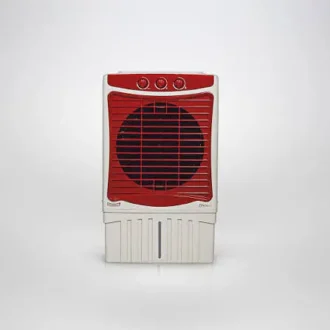
Evaporative Coolers and Air Coolers
Evaporative coolers use a different cooling method from conventional AC systems. They move air through water-moistened material and evaporation removes heat from the air passing through the unit.
These appliances can work particularly well in hot, dry climates. Their effectiveness can decrease when humidity is already high because the air has less capacity to absorb additional moisture.
Ventilation also matters when using evaporative cooling indoors. Energy Saving Trust recommends keeping rooms ventilated because evaporative cooling can increase indoor moisture.
For this reason, homeowners should consider local humidity before choosing an evaporative cooler. A product that works well in a dry region may not provide the same results in a humid location.
Portable Air Conditioners
A portable air conditioner, often abbreviated as PAC, provides room-specific cooling without requiring the same type of permanent installation as a split AC system. This can make portable units useful for renters, temporary spaces or individual rooms.
However, portable AC units can have different efficiency and performance characteristics compared with other cooling systems. Users should check the manufacturer’s specifications and understand the ventilation requirements before operating one.
A portable unit can make sense when cooling only one room is more practical than installing a whole-home system. It may also be useful when a household needs occasional cooling rather than constant whole-house temperature control.
Heat Pumps for Cooling and Heating
A heat pump may sound like a heating appliance, but some heat pumps can provide both heating and cooling. Reversible air-source heat pumps can operate similarly to an air conditioner during warm weather by moving heat out of the building.
This dual-purpose design can make heat pumps attractive for homes that need climate control throughout the year. The right system depends on the local climate, building design, insulation and installation requirements.
Heat pumps are therefore worth considering when homeowners want one system that can provide both summer cooling and winter heating.
Comparing Common Summer Cooling Appliances
The following comparison makes the differences easier to understand when researching summertime home cooling appliances abbr and their common uses.
| Appliance | Cooling Method | Best For |
|---|---|---|
| AC | Removes heat | Strong room cooling |
| Ceiling Fan | Moves air | Everyday comfort |
| Portable Fan | Moves air | Personal airflow |
| Evaporative Cooler | Water evaporation | Hot, dry climates |
| Portable AC | Refrigeration | Individual rooms |
| Heat Pump | Heat transfer | Heating and cooling |
No single appliance is perfect for every home. A fan may be enough on a moderately warm day, while an AC system may become more appropriate during extreme heat.
How to Choose the Right Cooling Appliance
Choosing the right cooling appliance starts with understanding your home’s needs. Room size, outdoor temperature, humidity, insulation, budget and electricity costs all affect the decision.
A small bedroom may only require a fan or compact cooling appliance. A large living area may need a stronger system capable of handling a larger cooling load.
Climate should also influence your choice. Evaporative cooling can be useful in dry conditions, while conventional AC generally offers more reliable temperature and humidity control across different conditions.
You should also consider how often you plan to use the appliance. Buying a powerful system for occasional use may not provide the best value, while an undersized appliance may struggle during hot weather.
Energy Efficiency and Summer Electricity Use
Cooling can contribute significantly to household electricity consumption, especially during long periods of hot weather. Choosing an efficient appliance and operating it sensibly can help manage energy use.
The Energy Saving Trust explains that fans generally have low running costs compared with portable air conditioning, while evaporative coolers can also use less energy than portable AC systems.
Simple home improvements can also reduce the workload on cooling appliances. Closing blinds or curtains during strong sunlight, improving insulation and reducing unwanted heat entering the home can help maintain a more comfortable indoor environment.
Regular maintenance also matters. Dirty filters, blocked airflow or neglected equipment can reduce performance and make a cooling system work harder.
Smart Ways to Use Cooling Appliances
Using a cooling appliance correctly can be just as important as choosing the right model. Avoid running powerful cooling equipment unnecessarily when natural ventilation or a fan can provide enough comfort.
During cooler parts of the day, opening suitable windows can help release accumulated indoor heat when outdoor conditions allow. During hotter periods, keeping unwanted outdoor heat out can reduce the cooling load.
For air conditioning, set the thermostat to a comfortable temperature instead of trying to make the room extremely cold. Lowering the thermostat excessively does not necessarily make a room cool faster and can increase energy use.
Fans can also complement AC systems by improving air circulation. This combination may help distribute cooled air more effectively throughout an occupied room.
Maintenance Tips for Summer Cooling Appliances
Every cooling appliance needs some level of maintenance to work properly. Dust can collect on fan blades, filters, vents and other components, which can reduce airflow.
For fans, regular dusting can help keep blades and protective grills clean. Air conditioners require more careful maintenance because filters and outdoor components can affect cooling performance.
Evaporative coolers need special attention because they use water. Their water tanks and cooling media should be maintained according to the manufacturer’s instructions to keep the appliance clean and operating properly.
Always follow the appliance manual for maintenance procedures. Never ignore unusual smells, damaged electrical cords, water leaks or other signs of a potentially unsafe appliance.
Summertime Home Cooling Appliances Abbr for Easy Research
Learning summertime home cooling appliances abbr can make online research much easier. Instead of searching only for full appliance names, understanding terms such as AC, HVAC, PAC, EC, CF and HP can help you recognize different cooling technologies.
These abbreviations often appear in product specifications, technical articles, energy guides and appliance documentation. Knowing their meanings allows you to compare products based on how they operate rather than relying only on their names.
It is also important to remember that an abbreviation does not tell you whether an appliance is right for your home. You still need to consider efficiency, room size, climate, installation, maintenance and operating costs.
Common Mistakes When Buying Cooling Appliances
One common mistake is choosing an appliance based only on its purchase price. A cheaper appliance may cost more to operate over time if it uses more electricity or requires frequent maintenance.
Another mistake involves choosing the wrong technology for the local climate. Evaporative coolers can perform well in dry conditions but become less suitable as humidity rises.
People can also overlook room size. A small fan may provide personal comfort but cannot provide the same whole-room temperature control as an appropriately sized air conditioning system.
Finally, buyers should avoid assuming that the newest-looking appliance automatically provides the best performance. Always compare specifications, energy information, maintenance requirements, warranty details and expected operating conditions.
Benefits of Understanding Cooling Appliance Abbreviations
Understanding summertime home cooling appliances abbr provides a simple way to navigate the growing number of cooling products available today. It helps readers recognize whether a product is designed to move air, remove heat, add moisture or provide multiple climate-control functions.
This knowledge becomes especially useful when comparing air conditioners, evaporative coolers, fans, heat pumps and HVAC systems. Once you understand the basic terminology, product specifications become easier to read.
The goal is not simply to buy the most powerful appliance. The better approach is to choose a system that provides the required comfort while matching your home’s climate, size, budget and energy needs.
Conclusion
Understanding summertime home cooling appliances abbr can make it easier to research and compare different ways to stay comfortable during hot weather. AC, HVAC, EC, PAC, CF and HP may look like simple abbreviations, but each represents a different approach to managing indoor comfort.
The best cooling appliance depends on more than temperature alone. Climate, humidity, room size, energy use, maintenance, installation and budget should all influence your decision.
Fans can provide affordable airflow, evaporative coolers can work well in suitable dry climates and air conditioners can provide stronger temperature control. Heat pumps can offer another option for homes that need both heating and cooling.
Before purchasing any appliance, check its specifications and operating requirements. When you understand what each abbreviation means and how each technology works, you can make a more informed choice for a cooler and more comfortable summer home.
Frequently Asked Questions
What does AC mean in home cooling?
AC means air conditioner or air conditioning. It refers to equipment that cools indoor spaces by removing heat from the air.
What does HVAC stand for?
HVAC stands for heating, ventilation, and air conditioning. HVAC systems can manage heating, cooling and air movement depending on their design.
What is an evaporative cooler?
An evaporative cooler uses water evaporation to cool air. It generally works best in hot, dry conditions and can add moisture to indoor air.
Is a fan the same as an air conditioner?
No. A fan mainly moves air and helps people feel cooler, while an air conditioner actively removes heat from indoor air.
What is PAC in cooling appliances?
PAC commonly means portable air conditioner. It describes a movable AC unit designed to cool an individual space.
What does HP mean in cooling?
In this context, HP can mean heat pump. Some heat pumps can provide both heating and cooling by transferring heat in different directions.
Which cooling appliance uses the least electricity?
Fans generally use much less electricity than air conditioners because they primarily move air rather than actively removing heat. Actual consumption varies by appliance model and operating time.
Why is humidity important when choosing a cooler?
Humidity affects evaporative cooling because the process adds moisture to the air. Evaporative coolers generally perform better in dry climates than in humid conditions.


