
Introduction
Cooking pasta may seem simple, but the right tools can make a huge difference. Many people focus on buying quality pasta and ingredients, yet they often overlook the importance of selecting the right pasta cooking utensils. The right utensils help you cook pasta evenly, prevent sticking and improve the overall cooking experience.
Whether you are preparing spaghetti, penne, fettuccine or ravioli, having proper kitchen tools saves time and improves results. Modern kitchens utilize specialized utensils that facilitate pasta preparation with ease and efficiency. Understanding these tools helps beginners and experienced cooks create delicious pasta dishes with confidence.
In this guide, you will learn about the most important pasta cooking utensils, their uses, benefits and how to choose the best ones for your kitchen.
Why Pasta Cooking Utensils Matter
Pasta requires specific cooking methods to achieve the perfect texture. Using the wrong tools can lead to overcooked pasta, broken noodles, or messy draining.
Quality pasta cooking utensils help maintain proper cooking temperatures and improve food handling. They also reduce waste and make cleaning easier after cooking.
Many professional chefs rely on specialized pasta tools because they deliver consistent results. Home cooks can achieve similar outcomes by using the right utensils.
Essential Pasta Cooking Utensils for Every Kitchen
Several utensils play a key role in pasta preparation. Each tool serves a specific purpose and helps simplify the cooking process.
Large Pasta Pot
A large pot is the foundation of pasta cooking. Pasta needs plenty of water to cook evenly and prevent sticking.
Experts recommend using a pot that holds at least 5 to 8 quarts of water. Larger pots allow pasta to move freely during cooking.
A quality stainless steel pasta pot distributes heat evenly and lasts for many years.
Benefits of a Large Pasta Pot
| Feature | Benefit |
|---|---|
| Large Capacity | Prevents overcrowding |
| Even Heat Distribution | Improves cooking consistency |
| Durable Material | Long-lasting performance |
| Easy Cleaning | Saves time after cooking |
Pasta Strainer or Colander
A colander is one of the most important pasta cooking utensils. It helps drain hot water quickly and safely. Most colanders feature multiple drainage holes that remove water without losing pasta. Stainless steel and durable plastic models remain popular choices.
Always choose a colander with sturdy handles for better safety while handling hot pasta.
Pasta Fork
A pasta fork features long prongs designed specifically for lifting and serving pasta. This utensil works well with spaghetti, linguine and fettuccine. It prevents noodles from slipping while serving.
A pasta fork makes serving easier and keeps portions neat and attractive.
Pasta Spoon
A pasta spoon has curved edges and center holes. These features help grab cooked pasta efficiently. Many cooks prefer pasta spoons because they allow excess water to drain before serving. This prevents sauces from becoming diluted.
Comparison of Common Pasta Cooking Utensils
The table below compares some of the most useful pasta tools.
| Utensil | Primary Purpose | Best For |
|---|---|---|
| Pasta Pot | Boiling pasta | All pasta types |
| Colander | Draining water | Cooked pasta |
| Pasta Fork | Serving noodles | Long pasta |
| Pasta Spoon | Portioning pasta | Various pasta shapes |
| Measuring Tool | Portion control | Dry pasta |
| Tongs | Handling pasta | Spaghetti and linguine |
Pasta Measuring Tools
Portion control is important when cooking pasta. Many people accidentally cook too much pasta. Pasta measuring tools help determine the correct serving size before cooking. They reduce food waste and improve meal planning.
These tools often include multiple sizing holes that represent different serving amounts.
Proper measurements help maintain balanced nutrition and reduce leftovers.
Kitchen Tongs for Pasta
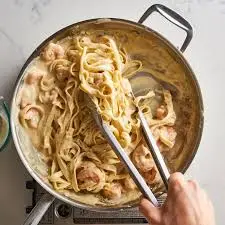
Kitchen tongs are versatile tools that work well with many pasta dishes. They allow cooks to transfer pasta directly from boiling water into the sauce. This technique helps pasta absorb flavors more effectively.
Many chefs use silicone-tipped tongs because they protect cookware from scratches.
Spider Strainer
A spider strainer is a mesh tool commonly used in professional kitchens. This utensil allows cooks to lift pasta directly from boiling water without draining the entire pot. It works especially well for fresh pasta.
The spider strainer also helps save pasta water, which many recipes use to enhance sauces.
Importance of Pasta Water
Pasta water contains starch released during cooking. This starchy water helps sauces stick better to pasta. Many experienced cooks reserve a cup of pasta water before draining. A spider strainer makes this process much easier.
Adding pasta water to the sauce creates a smoother and more flavorful dish.
Best Materials for Pasta Cooking Utensils
Material selection affects durability, performance and maintenance.
Stainless Steel
Stainless steel remains one of the most popular choices.
Benefits include:
- Excellent durability
- Rust resistance
- Easy cleaning
- Professional appearance
- Silicone
Silicone utensils offer flexibility and heat resistance.
These tools protect nonstick cookware and remain comfortable to use.
Nylon
Nylon utensils are lightweight and affordable.
They work well with nonstick pans but may wear out faster than stainless steel.
Material Comparison Table:
| Material | Durability | Best Use |
|---|---|---|
| Stainless Steel | High | Professional Kitchens |
| Silicone | Medium-High | Nonstick Cookware |
| Nylon | Medium | Everyday Cooking |
How to Choose the Right Pasta Cooking Utensils
Selecting the right tools depends on your cooking habits and kitchen needs. First, consider how often you cook pasta. Frequent cooks benefit from durable stainless steel utensils. Second, evaluate storage space. Compact tools work best in smaller kitchens. Third, focus on comfort. Ergonomic handles improve control and reduce hand fatigue.
When purchasing pasta cooking utensils, prioritize quality over price. Durable tools often provide better long-term value.
Common Mistakes When Using Pasta Cooking Utensils
Many people make simple mistakes that affect pasta quality. One common error involves using a pot that is too small. Crowded pasta cooks unevenly and sticks together.
Another mistake occurs when draining pasta completely. Saving some pasta water improves sauce consistency.
Using damaged or low-quality utensils can also make cooking difficult.
Common Mistakes and Solutions:
| Mistake | Result | Solution |
|---|---|---|
| Small Pot | Sticky Pasta | Use a larger pot |
| No Pasta Water Reserved | Dry Sauce | Save One Cup of Water |
| Poor Quality Colander | Difficult Draining | Upgrade Utensil |
| Overcrowding Pasta | Uneven Cooking | Add More Water |
Caring for Pasta Cooking Utensils
Proper maintenance extends the life of kitchen tools. Wash utensils after every use to prevent food buildup. Dry them thoroughly before storage. Stainless steel utensils generally require minimal maintenance. Silicone tools should be inspected regularly for wear. Store utensils in a clean and dry area to prevent damage.
Well-maintained pasta cooking utensils can last for many years without losing performance.
Advanced Tools for Pasta Enthusiasts
Serious pasta lovers often invest in specialized equipment.
Pasta Machine
A pasta machine helps create fresh homemade pasta. These devices roll dough into thin sheets and cut various pasta shapes. Fresh pasta often delivers a superior texture and flavor compared to packaged options.
Ravioli Mold
Ravioli molds simplify the process of creating stuffed pasta. They help maintain consistent shapes and sizes.
Pasta Drying Rack
A drying rack prevents fresh pasta strands from sticking together. It also improves airflow during the drying process.
These advanced tools complement traditional pasta cooking utensils and elevate homemade pasta preparation.
Benefits of Using Quality Pasta Cooking Utensils
Investing in quality tools offers several advantages.
High-quality utensils improve efficiency and reduce cooking errors. They also enhance safety when handling hot water and cookware. Reliable tools help create consistent results every time you cook. Many professional chefs consider pasta cooking utensils essential for achieving restaurant-quality meals at home.
Future Trends in Pasta Cooking Utensils
Kitchen technology continues to evolve. Manufacturers now produce utensils with ergonomic designs and heat-resistant materials. Some modern tools include integrated measurements and multifunctional features. These innovations simplify cooking while reducing kitchen clutter. Consumers increasingly prefer eco-friendly utensils made from sustainable materials.
The future of pasta cooking utensils will likely focus on convenience, durability and environmental responsibility.
Frequently Asked Questions
What are the most important pasta cooking utensils?
The most important utensils include a large pasta pot, colander, pasta fork, pasta spoon and kitchen tongs.
Why should I use a large pot for pasta?
A large pot allows pasta to move freely in water, which prevents sticking and promotes even cooking.
Are stainless steel utensils better than plastic ones?
Stainless steel offers greater durability and heat resistance, making it a preferred choice for many cooks.
What is a spider strainer used for?
A spider strainer lifts pasta directly from boiling water while preserving starchy pasta water for sauces.
Can I cook pasta without specialized utensils?
Yes, but specialized utensils improve efficiency, safety and cooking results.
Conclusion
Cooking great pasta requires more than quality ingredients. The right pasta cooking utensils improve every stage of preparation, from boiling and draining to serving and storage.
Essential tools such as pasta pots, colanders, pasta forks and tongs help create consistent and delicious results. Choosing durable materials and maintaining utensils properly ensures long-term performance.
Whether you cook pasta occasionally or several times each week, investing in quality pasta cooking utensils makes the process easier, safer and more enjoyable. With the right tools in your kitchen, you can prepare flavorful pasta dishes with confidence every time.


