
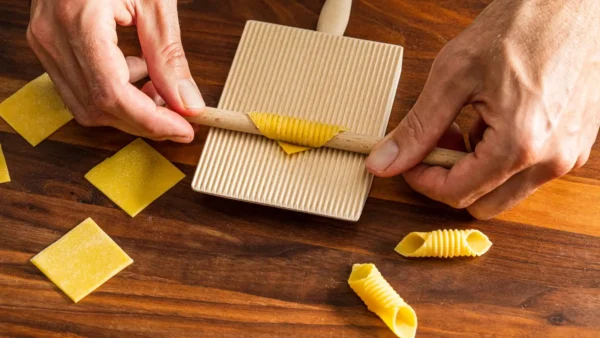
Home-made pasta is fresher, tastier and firmer than pasta from the supermarket. A pasta maker can come in handy for making smooth pasta, spaghetti, ravioli and fettuccine in minutes. But the key to soft and tasty pasta is the right pasta maker recipes and the use of the best flour for pasta maker.
Even with a pasta machine, there are still many people that aren’t getting the perfect pasta and are having problems with sticky dough, dry pasta, or broken noodles. The issue is usually related to the type of flour used. There are different types of flours that produce varying pasta qualities. Some will help to make pasta soft and some make pasta firm and chewy.
This guide will tell you all you need to know about the best flour for pasta makers. You will become familiar with the different types of flour, the textural variations, protein amounts and which flour is ideal for various homemade pasta recipes.
Why Flour Matters in Homemade Pasta
The texture, strength and elasticity of pasta dough is controlled by flour. The quality of the flour is the key element for smooth rolling dough in the pasta machine without rips.
If the proper flour is not used, the dough may:
- Crack during rolling
- Become sticky
- Feel too dry
- Break after cooking
- Lose its shape
The best flour for pasta maker recipes is the one that provides a good balance of protein and gluten to form the dough. This balance will ensure that pasta will retain both firmness and softness after cooking.
What Makes the Best Flour for Pasta Maker?
There are several factors which have an impact on pasta quality. The most important component is protein, which is the component that forms gluten. Pasta is strong and flexible because of its gluten.
When selecting flour to use, here are some of the key factors to keep in mind:
| Factor | Why It Matters |
|---|---|
| Protein Content | Helps pasta hold shape |
| Texture | Creates smooth dough |
| Gluten Strength | Improves elasticity |
| Absorption | Controls moisture balance |
| Grind Type | Affects softness and chewiness |
Most pasta flours have a medium to high protein content. A fine texture also aids the flow of dough through the machine rollers.
Types of Flour Used for Pasta
A wide range of flour types makes it suitable for homemade pasta. The texture and taste of each flour is unique.
Semolina Flour
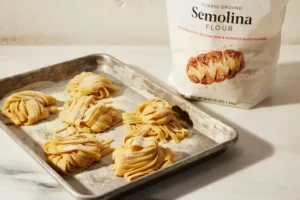
One of the most popular varieties of flour used in pasta making is semolina flour. It is coarse and is derived from durum wheat.
This wheat gives a chewy bite to pasta, but does not make it sticky. Semolina is a type of pasta used by Italian pasta manufacturers, as it aids in retaining the sauce within the pasta.
Benefits of Semolina Flour
- High protein content
- Strong gluten structure
- Firm pasta texture
- Traditional Italian flavor
When making pasta such as spaghetti, penne or macaroni, semolina flour is a good choice for pasta maker dough.
00 Flour
00 flour is a well-known type of flour in Italian cuisine. It has a very fine texture which produces a silky smooth pasta dough.
This flour is easy to roll in pasta machines and makes soft noodles that have a fine texture.
Benefits of 00 Flour
- Smooth texture
- Easy rolling
- Soft pasta consistency
- Ideal for noodles that are thin
00 flour is often combined with semolina flour to achieve a balance of texture in most recipes.
All-Purpose Flour
All-purpose flour is readily available and inexpensive. It is used by many novice cooks because they find it suitable for easy pasta dishes.
But the protein content in all-purpose flour is lower than that of semolina flour. It may make pasta softer, less chewy.
Benefits of All-Purpose Flour
- Budget friendly
- Available everywhere
- Easy for beginners
- Works for egg pasta
While it works, it may not necessarily be the best flour for pasta maker recipes that demand strong texture.
Whole Wheat Flour
Compared to white flour, whole wheat flour is richer in fibre and nutrients. It adds earthy taste and darker pasta to the dishes.
The dough will be rougher due to the presence of bran particles in whole wheat flour.
Benefits of Whole Wheat Flour
- High fiber
- Nutritious
- Rich flavor
- Healthier option
Best Flour Combinations for Homemade Pasta
When making homemade pasta, the combinations of flour that work best are the same ones used for the traditional varieties.
Professional pasta makers are often using mixtures of flours rather than one type of flour. A blend of flour adds to the texture and balance of flavor.
Recommended Flour Blends
| Flour Mix | Result |
|---|---|
| 50% Semolina + 50% 00 Flour | Balanced texture |
| 70% 00 Flour + 30% Semolina | Soft silky pasta |
| 50% Whole Wheat + 50% 00 Flour | Nutty healthy pasta |
| 100% Semolina | Firm traditional pasta |
These combinations help create the best flour for pasta maker recipes for different noodle styles.
Best Flour for Different Pasta Types
Different pasta shapes need different dough textures.
Best Flour for Spaghetti
Semolina flour works best because it creates firm noodles that stay strong during boiling.
Best Flour for Ravioli
00 flour works better because soft dough seals ravioli edges more easily.
Best Flour for Fettuccine
A mix of semolina and 00 flour creates the perfect balance of softness and chewiness.
Best Flour for Lasagna Sheets
00 flour produces thin and smooth sheets that bake evenly.
Protein Content Explained
Protein plays a huge role in pasta dough quality. Higher protein creates stronger gluten.
Here is a quick protein comparison:
| Flour Type | Average Protein |
|---|---|
| 00 Flour | 10-12% |
| All-Purpose Flour | 10-11% |
| Semolina Flour | 12-15% |
| Whole Wheat Flour | 13-14% |
The protein content of a flour is generally at least 11%—this is the best flour for pasta maker recipes.
How to Choose Flour for Your Pasta Maker
Pasta machines vary in their ability to process the dough. You can generally use manual machines more effectively if your dough is softer. Firmer dough can be processed in electric machines.
When picking out flour, keep in mind:
- The type of pasta machine you have
- Pasta shape
- Desired texture
- Cooking method
For beginners, it is best to begin with a semolina and 00 flour mixture as it is easier to work with.
Common Pasta Dough Problems
Even the savvy cook can have trouble with pasta dough. Knowing about flour can aid in these issues.
Dough Feels Too Sticky
Sticky dough typically is too moist or has a low protein flour.
Solution
Gradually add semolina flour to make dough smooth.
Dough Cracks in Pasta Machine
Dry dough tends to crack when rolling.
Solution
Knead a little more with a few drops of water or olive oil.
Pasta Feels Too Soft After Cooking
Low-gluten flour may result in mushy pasta.
Solution
Next time use semolina flour or higher protein flour.
Best Brands of Pasta Flour
Home cooks can enjoy high quality pasta flour from several brands.
| Brand | Best For |
|---|---|
| Caputo 00 Flour | Silky pasta |
| Bob’s Red Mill Semolina | Traditional pasta |
| King Arthur Flour | Beginner recipes |
| Antimo Caputo Semola | Authentic Italian pasta |
Pasta lovers will find these brands to be popular since they always make high-quality pasta.
Homemade Pasta Recipe Using the Best Flour
This very easy-to-follow recipe is ideal for most pasta machines.
Ingredients
- 2 cups 00 flour
- 1 cup semolina flour
- 3 large eggs
- 1 tablespoon olive oil
- Pinch of salt
Instructions
- Combine both types of flour in a bowl.
- Make a hole in the middle.
- Add eggs and olive oil.
- Gently work the dough together, until it is formed.
- Knead for 10 minutes.
- Let the dough rise 30 minutes.
- Feed pasta machine.
- Cut out desired pasta shape.
The best flour for pasta maker dough is used in this recipe, as it is a balance between softness and strength.
Tips for Better Pasta Dough
If you know the proper techniques, fresh pasta will be easier to make.
Let Dough Rest
Resting helps to soften the gluten and makes it easier to roll.
Use Room Temperature Eggs
Eggs are easier to mix with flour when they are warm.
Knead Properly
Smooth and elastic dough is made by good kneading.
Dust with Semolina
To prevent sticking when rolling, use semolina.
Here are some of the most simple tips to help make your home-made pasta top-notch.
Fresh Pasta vs Store-Bought Pasta
Fresh pasta is fuller in flavor and texture than boxed pasta. You can also have better control of ingredients and texture when creating homemade dough.
The following is a very easy comparison:
| Feature | Fresh Pasta | Store-Bought Pasta |
|---|---|---|
| Texture | Soft and silky | Firm and dense |
| Cooking Time | 2–4 minutes | 8–12 minutes |
| Flavor | Rich and fresh | Standard flavor |
| Ingredients | Customizable ingredients | Preserved ingredients |
| Taste Quality | More authentic | Less fresh |
| Shelf Life | Short shelf life | Long shelf life |
| Nutrition Control | Easy to control | Limited control |
| Sauce Absorption | Absorbs sauce better | Less sauce absorption |
The best flour for pasta maker recipes can make homemade pasta even more enjoyable.
Is Gluten-Free Flour Good for Pasta Makers?
Some pasta machines will handle gluten free flour, but the gluten free dough will act differently. Because gluten-free pasta lacks elasticity, it will also tend to break easily.
Typical gluten-free flours are:
- Rice flour
- Chickpea flour
- Almond flour
A lot of recipes call for a mixture of xanthan gum and gluten free flour to enhance texture.
Storage Tips for Pasta Flour
The key to flour storage is ensuring that it stays fresh and that there are no moisture issues.
Keep Flour in Airtight Containers
Flour in an airtight container will keep dry and insect-free.
Store Flour in Cool Places
The quality of flour can deteriorate with time if stored at high temperatures.
Avoid Direct Sunlight
Flavor and freshness may be impacted by the sun.
The best flour for pasta maker recipes can be stored well.
Why Italian Flour Works Better
Special wheat varieties are sometimes used to make Italian pasta flour. The flour is ground more finely than normal flour.
This process creates:
- Better elasticity
- Smoother dough
- Cleaner texture
- Authentic flavor
This is why many of the top chefs go for Italian Semolina and 00 flour to make pasta.
Can You Use Bread Flour for Pasta?
Bread flour is high in protein and is high in gluten. It can be used for pasta but can result in too chewy pasta.
Some cooks combine bread flour with 00 flour to help make the bread less coarse.
While bread flour isn’t always the best flour to use in pasta maker recipes, it can be used when semolina is unavailable.
Healthiest Flour for Homemade Pasta
The whole wheat flour and chickpea flour are richer in nutrients than the white flour.
A brief comparison is as follows:
| Flour | Health Benefit |
|---|---|
| Whole Wheat | High fiber |
| Chickpea Flour | High protein |
| Semolina | Balanced nutrition |
| 00 Flour | Smooth texture |
Semolina blended with good flour often results in the greatest flavour and nutritional quality.
Mistakes to Avoid When Making Pasta
There are many common problems that even the novice cook makes that impact the quality of pasta.
Using Too Much Flour
Dough can dry out rapidly when a lot of extra flour is added.
Skipping Rest Time
The player’s rest helps to improve his/her elasticity and rolling.
Rolling Dough Too Thick
This is because the thin dough cooks evenly and has a better flavor.
Overcooking Fresh Pasta
Fresh pasta will cook up much quicker than dry pasta.
To ensure you’re getting the most out of your pasta maker, try to avoid these common mistakes.
Frequently Asked Question
Which is the best flour to use for homemade pasta?
The most common types of flour used for homemade pasta are semolina flour and 00 flour, both of which make for smooth and elastic dough.
May I substitute all-purpose flour with pasta flour for my pasta maker?
While all-purpose flour will work, the pasta will tend to be firmer and have a better texture if you use semolina flour.
How to prevent sticky pasta dough?
Sticky dough can be made by either adding too much water or using too low a protein flour. Use a little bit of semolina flour to bind it together.
Which flour is better semolina or 00 flour?
Either flour will do. The semolina is used to make firmer pasta, while the 00 flour is used to make softer and smoother noodles.
Can I use other flour to make pasta?
Yes, 00 flour or all-purpose flour is successful in many recipes.
Final Thoughts
The type of flour you use can make a world of difference to the outcome of your homemade pasta. The best flour for pasta maker recipes is often a mixture of semolina flour and 00 flour as this provides a strong yet silky pasta dough.
Semolina provides a firmness and texture whereas 00 flour provides smoothness and flexibility. They make restaurant-quality pasta at home together and that’s really cool.
When you are a beginner at making pasta, begin by creating a simple pasta flour mix and practice rolling techniques. Eventually, you will find just the right texture for your favorite pasta dishes.
Always better than store-bought pasta, homemade pasta made with good quality flour and a little technique.


