
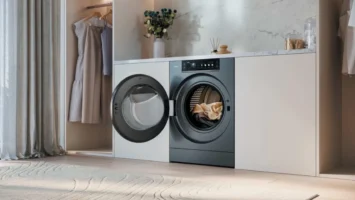
A washing machine is one of the most frequently used appliances in many homes. A reliable model can handle regular laundry for years without creating constant repair costs or daily frustration.
However, choosing a durable washer requires more than looking at its price or appearance. The longest lasting washing machines usually combine reliable components, practical designs, good maintenance and easy access to replacement parts.
Consumer NZ reports that a washing machine should last around 10 years on average, although some machines fail sooner while others last longer. The organization also notes that design, component quality, usage and maintenance can all affect how long a washer remains useful.
What Makes a Washing Machine Last Longer?
Durability starts with the way a washing machine handles everyday work. A washer must repeatedly fill, drain, spin, balance loads and operate its motor without excessive stress.
The quality of its major components also matters. A strong motor, durable drum, dependable suspension system, quality seals and reliable controls can support years of regular operation.
Repairability also deserves attention when you compare washing machines. A machine becomes much more valuable when technicians can repair it and replacement parts remain available.
Important Factors That Affect Washing Machine Lifespan
| Factor | Why It Matters |
|---|---|
| Build quality | Strong components can handle repeated washing cycles |
| Motor quality | The motor performs demanding work during washing and spinning |
| Drum design | A durable drum can withstand regular loads |
| Repairability | Easy repairs can extend the useful life of the appliance |
| Parts availability | Available parts make future repairs easier |
| Maintenance | Regular care helps prevent avoidable problems |
| Load size | Correct loading reduces unnecessary stress |
| Usage | Heavy daily use can increase component wear |
A machine that costs more does not automatically last longer. Instead, look at its construction, reliability information, repair options, warranty and expected workload.
Are Top-Load or Front-Load Washers More Durable?
The debate between front-load and top-load washers has continued for years. Both designs can provide dependable service, but they operate differently and require different maintenance habits.
Front-load washers generally use less water and energy than traditional top-load agitator machines. ENERGY STAR says certified front-load washers can use about 50% less energy and water than top-load agitator washers.
Front-load machines also require attention to the door seal and moisture inside the drum. ENERGY STAR recommends leaving the door open after use so trapped moisture can evaporate and reduce the chance of mold or mildew buildup.
Top-load washers can offer a straightforward laundry experience. Some modern high-efficiency top-load models also provide strong cleaning performance while using considerably less water than older traditional machines.
The best choice depends on your household, laundry habits, available space and willingness to follow maintenance instructions.
Why Repairability Matters for Long-Term Ownership
Many people focus on reliability when buying an appliance, but repairability can be equally important. Even a well-built washer can eventually need a replacement component.
A repairable machine gives you more options when something goes wrong. You may be able to replace a worn component instead of replacing the entire appliance.
Consumer NZ specifically includes repairability in its washing machine assessments. Its evaluation considers repair requirements, spare-part availability, repair costs, labor costs and warranty periods.
This makes repairability an important part of choosing longest lasting washing machines. A washer with accessible parts and practical repair options can remain useful for longer.
What Washing Machine Features Support Long-Term Use?
Modern washers include many advanced features, but more features do not automatically mean greater durability. A complicated control system can add convenience, yet basic functions remain the foundation of a reliable appliance.
Look for features that solve a real laundry problem. Adjustable water levels, useful wash cycles, balanced spinning, efficient detergent systems and strong cleaning performance can provide practical value.
Smart connectivity can be convenient, but it should not become the main reason for choosing a washer. A dependable machine should still perform its core job effectively without relying on unnecessary technology.
How Energy Efficiency Can Affect Your Long-Term Costs
Durability is not the only factor that determines the value of a washing machine. Energy and water consumption can also affect your total ownership cost over many years.
ENERGY STAR states that certified clothes washers use about 20% less energy and 30% less water than regular washers. It also reports that qualifying models can save hundreds of dollars in energy costs over their lifetime.
ENERGY STAR recommends checking the EnergyGuide label when comparing models. The label helps consumers understand energy use and estimate annual operating costs.
Durability and Efficiency Compared
| Feature | Long-Term Benefit |
|---|---|
| Efficient water use | Can reduce household water consumption |
| Lower energy use | Can reduce electricity-related costs |
| Durable components | May reduce the frequency of major repairs |
| Repairable design | Can make repairs more practical |
| Appropriate capacity | Prevents unnecessary oversized purchases |
| Good maintenance system | Helps reduce avoidable problems |
A durable washer that also uses resources efficiently can offer better value over its useful life.
How to Maintain a Washing Machine for Many Years
Even the most reliable washer needs proper care. Good maintenance can reduce unnecessary stress on components and help keep the machine operating properly.
Start by following the manufacturer’s instructions. Use the recommended detergent type and amount because excessive detergent can create residue and cleaning problems.
Avoid consistently overloading the washer. Large loads can make balancing more difficult and may place additional stress on the drum, suspension and motor.
Clean the detergent dispenser and other accessible areas regularly. Front-load owners should also pay attention to the door seal because moisture and residue can collect there.
After washing, allow appropriate ventilation. ENERGY STAR recommends leaving a front-loader door ajar for an hour or two after use so moisture can escape.
You should also inspect hoses and connections from time to time. Replacing a worn hose or addressing a small leak early can help prevent a much bigger household problem.
Does Washing Machine Capacity Affect Durability?
Capacity can influence how comfortably a washer handles your regular laundry. Choosing the correct size helps you avoid forcing too much clothing into a smaller drum.
A large household may benefit from a larger capacity machine because it can handle more clothing per cycle. A smaller household may not need the largest available model.
ENERGY STAR recommends thinking carefully about drum capacity and the size of loads you normally wash. It also notes that certified washers come in different capacities and configurations.
The goal should be to match capacity with your actual laundry needs. Buying a machine that fits your household can make everyday use more practical.
Which Brands Make the Longest Lasting Washing Machines?
Brand reputation can help narrow your choices, but you should not judge durability by brand name alone. Different models from the same manufacturer can have different reliability, features, designs and repair requirements.
Current Consumer Reports buying information evaluates washers using factors such as predicted reliability, owner satisfaction, washing performance, energy efficiency, water efficiency, gentleness, noise and vibration.
For example, the 2026 Consumer Reports Buying Guide lists models from brands including LG, Samsung, GE, Speed Queen, Amana, Maytag, Whirlpool, Electrolux and Kenmore. The scores vary by model, showing why shoppers should compare individual machines rather than assuming every model from a brand performs the same way.
What to Check Before Buying
Instead of choosing a washer only because it has a famous name, investigate these areas:
- Predicted reliability
- Owner satisfaction
- Warranty coverage
- Availability of replacement parts
- Local repair support
- Energy and water efficiency
- Drum capacity
- Noise and vibration
- Maintenance requirements
This approach gives you a clearer picture of the machine’s long-term value.
Are Expensive Washing Machines More Durable?
A higher price can reflect better materials, larger capacity, advanced features or stronger construction. However, price alone cannot guarantee a longer lifespan.
An expensive washer may include features that you never use. A simpler model may provide better value if it meets your laundry needs and offers dependable performance.
Consumer Reports’ 2026 buying information shows a wide range of prices and performance scores across washing machine categories. This supports the idea that shoppers should compare reliability and performance rather than using price as the only measure of quality.
Before spending more money, ask whether the extra features provide genuine value for your household.
Signs That a Washing Machine May Be Wearing Out
Most washing machines provide warning signs when components begin to develop problems. Paying attention to these signs can help you deal with repairs before a small issue becomes more expensive.
Unusual vibration, repeated imbalance problems, strange sounds, drainage problems, water leaks and failure to complete cycles can indicate that the machine needs attention.
You should not automatically replace a washer because it develops one problem. If the machine is otherwise in good condition, a professional repair may extend its useful life.
The repair decision should consider the machine’s age, repair cost, remaining parts availability and overall condition.
How to Choose the Longest Lasting Washing Machines for Your Home
Choosing a durable washer becomes easier when you focus on long-term ownership instead of the first impression. Start by deciding how often your household washes clothes and how much laundry you normally handle.
Then compare the washer’s construction, reliability information, efficiency, capacity, warranty and repairability. Check whether local technicians can service the model and whether important replacement parts are available.
You should also consider the washer’s maintenance requirements. A machine that fits your lifestyle is easier to care for consistently.
For households that want dependable performance, the best longest lasting washing machines are not necessarily the most expensive models. They are the machines that combine suitable design, dependable components, practical repair options and responsible maintenance.
Common Mistakes That Can Shorten Washer Life
Many washing machine problems come from everyday habits rather than an inherently poor design. Overloading the drum is one common mistake because it can interfere with proper movement and balance.
Using too much detergent can also create residue inside the machine. Ignoring leaks, unusual noises or repeated imbalance problems can allow small issues to become larger repairs.
Another mistake involves skipping basic cleaning. A washer needs regular care just like other frequently used household appliances.
Following the manufacturer’s instructions gives you the best starting point. It also helps you understand which cleaning cycles, detergents, loading methods and maintenance tasks suit your particular model.
Conclusion
A washing machine represents a long-term household investment, so durability should remain an important part of your buying decision. Average lifespan figures provide useful guidance, but actual performance depends on design, components, usage, maintenance and repairability.
The longest lasting washing machines usually make sense for the way you actually do laundry. Look beyond appearance and focus on reliability information, useful features, efficient operation, accessible repairs and proper maintenance.
ENERGY STAR certification can help you compare efficiency, while independent testing and reliability information can help you understand performance. Combining these sources with your household needs gives you a much stronger basis for choosing a washer.
A good washing machine does not need to have every modern feature. It needs to clean your clothes effectively, operate efficiently, withstand regular use and remain practical to maintain over time.
Frequently Asked Question
How long should a washing machine last?
A washing machine should last around 10 years on average, according to Consumer NZ. Some machines can fail earlier, while others can continue working beyond that period with proper care.
What is more important, reliability or repairability?
Both factors matter. Reliability can reduce the need for repairs, while good repairability can make necessary repairs easier and more affordable.
Are front-load washers reliable?
Front-load washers can provide dependable service when owners follow proper maintenance practices. They also offer strong water and energy efficiency compared with traditional agitator models.
Does ENERGY STAR mean a washer will last longer?
No. ENERGY STAR certification mainly addresses energy and water efficiency. It should not be treated as a guarantee of mechanical durability or lifespan.
How can I make my washing machine last longer?
Follow the manufacturer’s instructions, avoid overloading, use the correct detergent amount, clean the machine regularly and address unusual noises or leaks promptly.
Should I repair or replace an old washing machine?
Consider its age, repair cost, overall condition, parts availability and expected future reliability. A repair can make sense when the machine remains structurally sound.
What should I check before buying a durable washer?
Check predicted reliability, owner satisfaction, warranty coverage, repairability, parts availability, efficiency, capacity and independent test results.


