
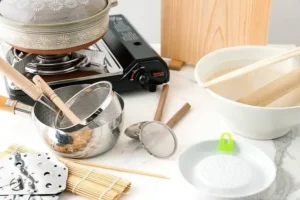
Japanese cooking is known for its balance, detail and careful use of fresh ingredients. The right tools can make slicing, grating, cooking and serving much easier.
Japanese kitchen gadgets combine simple designs with useful functions. Many tools focus on one cooking task and help you perform it with better control and consistency.
You do not need a kitchen full of specialty equipment to cook Japanese food. A basic knife, cutting board, pan, pot and bowls can prepare many Japanese recipes.
However, some Japanese tools can make specific cooking tasks faster and more convenient. This guide explains the most useful options and shows how they can fit into a modern kitchen.
What Are Japanese Kitchen Gadgets?
Japanese kitchen gadgets include traditional utensils, cookware, preparation tools and modern appliances used in Japanese kitchens. Some tools have existed for generations, while others use modern materials and technology.
Many Japanese kitchen designs focus on precision, space saving, durability and simple operation. This approach works well in small kitchens where every tool needs to earn its place.
For example, a rectangular tamagoyaki pan helps create rolled omelets, while a ceramic grater produces a fine texture from ginger or daikon. A suribachi helps grind sesame seeds and other ingredients by hand.
Why Are Japanese Kitchen Tools So Popular?
Japanese kitchen tools have gained attention because they often solve everyday cooking problems. Their designs usually focus on control instead of adding unnecessary features.
A good tool can improve the texture and appearance of food. It can also make repetitive tasks easier for home cooks.
Japanese kitchen gadgets also appeal to people who enjoy organized and efficient kitchens. Many products have compact shapes that work well in limited counter space.
Another reason for their popularity is versatility. A cooking chopstick can turn food, mix ingredients, beat eggs and help with plating.
Best Japanese Kitchen Gadgets for Everyday Cooking
You can find many Japanese cooking tools in different sizes and materials. The best choice depends on the food you prepare most often.
The following table highlights useful tools and their main purposes.
| Japanese Kitchen Tool | Main Use | Best For |
|---|---|---|
| Santoku Knife | Cutting and chopping | Vegetables, meat, fish |
| Tamagoyaki Pan | Making rolled eggs | Breakfast and bento |
| Suribachi | Grinding ingredients | Sesame, sauces, pastes |
| Oroshigane | Fine grating | Ginger, daikon, garlic |
| Saibashi | Cooking and turning food | Stir-frying and frying |
| Donabe | Cooking and simmering | Rice, soups, hot pot |
| Makisu | Rolling food | Sushi and rolls |
| Shamoji | Handling cooked rice | Rice preparation |
| Japanese Mandoline | Thin slicing | Vegetables and salads |
| Fine-Mesh Skimmer | Removing foam | Soups and stocks |
1. Santoku Knife for Precise Food Preparation
A santoku knife is one of the most useful Japanese-style knives for home cooking. Its broad blade works well for slicing, chopping and preparing many types of ingredients.
Japanese culinary traditions place strong value on knife work because cooks want to preserve the natural appearance of ingredients. The Japanese Ministry of Agriculture, Forestry and Fisheries also highlights the importance of knives in Japanese cuisine.
Choose a knife that feels comfortable in your hand. You should also learn basic knife care to keep the blade sharp and safe.
2. Tamagoyaki Pan for Rolled Omelets
The tamagoyaki pan has a rectangular shape that helps cooks create the layered form of Japanese rolled omelets. The pan makes it easier to roll thin layers while keeping the omelet neat.
You can also use this pan for small pancakes, grilled sandwiches, or other foods. A nonstick version can make the rolling process easier for beginners.
If you regularly prepare breakfast or bento meals, this tool can become very useful. Otherwise, a regular frying pan can handle occasional omelets.
3. Suribachi and Surikogi for Grinding
A suribachi is a Japanese mortar with textured grooves inside the bowl. The matching surikogi works like a pestle and helps grind seeds, herbs and other ingredients.
The grooves create friction as you move the pestle around the bowl. This design makes the tool useful for grinding sesame and preparing sauces or pastes.
Japanese kitchen gadets do not always need electricity to be useful. Traditional tools can provide excellent control and help you understand how ingredients change during preparation.
4. Oroshigane for Fine Grating
An oroshigane is a Japanese-style grater designed for ingredients such as ginger, daikon radish, garlic and wasabi. Some versions use ceramic surfaces, while traditional versions can use other materials.
The fine surface creates a different texture from many standard box graters. This difference can matter when you want smooth sauces or finely grated ingredients.
A ceramic grater can also take up very little space. That makes it a practical choice for smaller kitchens.
5. Saibashi Cooking Chopsticks
Saibashi are long cooking chopsticks designed for food preparation. Their extra length gives you better distance from hot oil and cookware.
You can use them to turn vegetables, separate noodles, mix ingredients and handle delicate food. Some modern versions also include textured tips for improved grip.
These chopsticks can replace several basic utensils for simple cooking tasks. They are especially useful when you prepare stir-fries, tempura, or noodles.
6. Donabe Clay Pot
A donabe is a traditional Japanese earthenware cooking pot. Cooks use it for dishes such as rice, hot pot meals, soups and stews.
The thick clay construction helps retain heat during cooking and serving. However, donabe cookware requires proper care, so you should follow the manufacturer’s instructions before using it.
A donabe can also become a beautiful serving piece. This makes it useful for both cooking and presenting food at the table.
7. Japanese Mandoline Slicer
A Japanese mandoline can produce thin and even vegetable slices. It can help prepare cucumber, daikon, carrots, cabbage and other vegetables.
Uniform slices can improve the texture and appearance of salads and side dishes. A mandoline can also save time when you need to prepare many vegetables.
Always use the safety guard when one comes with the slicer. The blade can be extremely sharp, so careful handling matters more than speed.
8. Makisu Sushi Rolling Mat
A makisu is a bamboo mat used to roll sushi and other foods. The flexible structure helps create a tight and even roll.
You can use it for homemade sushi, vegetable rolls and some decorative food preparations. Beginners can learn the basic rolling technique with a small amount of practice.
Clean and dry a bamboo mat properly after use. Good care helps reduce moisture buildup and keeps the mat in better condition.
9. Shamoji Rice Paddle
A shamoji is a rice paddle designed for handling cooked rice. Traditional versions often have a wide shape that helps lift and mix rice without crushing it.
Some rice paddles have a textured surface that helps prevent cooked rice from sticking. This small feature can make serving rice much easier.
A shamoji is especially useful if rice appears regularly on your dinner table. It can also work with rice dishes such as mixed rice and sushi rice.
10. Otoshibuta Drop Lid
An otoshibuta is a drop lid placed directly on food while it simmers. It helps keep ingredients in place and allows cooking liquid to circulate around them.
This simple tool can help distribute heat and seasoning during simmering. You can find wooden, metal, silicone and adjustable versions.
You can also use a suitable substitute when needed. A small heat-safe lid or piece of cooking parchment may work for some recipes.
11. Fine-Mesh Skimmer
A fine-mesh skimmer helps remove foam and small particles from soups, stocks and simmered dishes. It gives you more control when you want a cleaner cooking liquid.
This tool has a simple design but can be surprisingly useful. It works well for Japanese soups as well as everyday Western recipes.
A stainless steel version can provide easy cleaning and long-term use. Choose a comfortable handle if you cook large pots of food.
How to Choose the Right Japanese Kitchen Gadgets
Do not buy every specialized tool at once. Start with the foods you already enjoy cooking.
If you make rice several times a week, consider a quality rice cooker or rice paddle. If you prepare sushi often, a makisu can make rolling easier.
Japanese kitchen gadgets should solve a real cooking problem rather than simply look interesting. This approach can save money and prevent your drawers from filling with unused tools.
Before buying a tool, consider its size, material, cleaning requirements, storage needs and frequency of use. You should also check whether an ordinary kitchen tool can perform the same task.
Traditional vs Modern Japanese Kitchen Tools
Japanese kitchens include both traditional equipment and modern appliances. The two styles can work together instead of competing with each other.
Traditional tools often provide direct control over ingredients. Modern appliances focus more on speed, convenience and automation.
| Tool Type | Traditional Example | Modern Alternative & Main Benefit |
|---|---|---|
| Rice Cooking | Donabe | Electric Rice Cooker – Consistent rice |
| Grinding | Suribachi | Food Processor – Speed |
| Slicing | Knife | Electric Slicer – Precision or convenience |
| Cooking | Nabe | Electric Cooker – Traditional or automated cooking |
| Rolling | Makisu | Sushi Rolling Device – Easier rolling |
Modern Japanese kitchens do not need to choose only one approach. Many cooks use traditional utensils alongside modern appliances.
Benefits of Using Japanese Kitchen Gadgets
One major benefit is better control during food preparation. Specialized shapes can make specific tasks easier and more consistent.
Another benefit is efficient kitchen organization. Many Japanese tools use compact designs that suit smaller cooking spaces.
Some tools can also support healthier cooking habits. A good grater, steamer, or vegetable slicer can make it easier to prepare fresh ingredients at home.
The biggest benefit depends on your cooking style. A tool becomes valuable when you use it often enough to justify the space and cost.
How to Care for Japanese Kitchen Tools
Proper care can extend the life of your kitchen equipment. Always follow the cleaning and storage instructions provided with each product.
Keep knives dry after washing them. Store sharp blades safely and avoid putting specialty knives into conditions that can damage their edges.
Wooden tools need extra attention because moisture can cause cracking or warping. Dry wooden utensils completely before storing them.
Clay cookware also requires careful handling. Avoid sudden temperature changes unless the manufacturer specifically says the cookware can handle them.
Are Japanese Kitchen Gadgets Worth Buying?
Yes, but not every tool deserves a place in every kitchen. The best products are the ones that make a task easier, faster, or more precise.
A beginner can start with a good knife, rice paddle, cooking chopsticks and grater. You can add a tamagoyaki pan, donabe, suribachi, or sushi mat when your cooking habits require them.
Current Japanese cooking guides also recommend starting with practical tools instead of buying every specialty item. Most Japanese recipes can use ordinary pots and pans, while specialized tools become useful for specific dishes.
This practical approach helps you build a useful kitchen without wasting money. It also gives you time to learn which tools actually improve your cooking.
Japanese Kitchen Gadgets for Small Kitchens
Small kitchens need tools that provide real value without taking much space. Japanese kitchen design often reflects this need for practical and compact equipment.
Choose tools that perform one important job well or several related tasks. A good knife, compact grater, cooking chopsticks and rice paddle can provide a strong starting setup.
Avoid buying large equipment if you rarely use it. Storage space should be part of your buying decision, especially if you live in an apartment or small home.
You can also organize tools vertically with hooks, racks, or drawer dividers. Proper storage keeps your work area clear and makes cooking more enjoyable.
Conclusion
Japanese kitchen gadgets offer a useful mix of tradition, precision and practical design. They can help home cooks prepare ingredients with greater control while keeping the kitchen organized.
You do not need dozens of specialty tools to cook good Japanese food. Start with basic equipment and add specialized tools when your favorite recipes create a real need.
The best kitchen tool is the one you will actually use. Choose products based on your cooking habits, available space, maintenance needs and budget.
When selected carefully, Japanese kitchen gadgets can make everyday cooking simpler and more enjoyable. They can also introduce you to traditional Japanese cooking methods without making your kitchen complicated.
Frequently Asked Questions
What are the most useful Japanese kitchen gadgets for beginners?
A santoku knife, rice paddle, cooking chopsticks, ceramic grater and simple mandoline are useful starting choices. Add specialty tools based on the recipes you cook most often.
Are Japanese kitchen tools expensive?
Prices vary widely depending on the material, craftsmanship and brand. You can find affordable everyday utensils as well as premium handmade cookware.
Do I need Japanese tools to cook Japanese food?
No. Most Japanese recipes can be prepared with common kitchen equipment. Specialty tools mainly make certain cooking techniques easier and more precise.
What is the best Japanese tool for making tamagoyaki?
A rectangular tamagoyaki pan is the most suitable choice. Its shape helps you create the layered and rolled structure associated with Japanese omelets.
What is a suribachi used for?
A suribachi is used with a surikogi to grind ingredients. Common uses include grinding sesame seeds and preparing pastes, sauces and dressed dishes.
Is a Japanese mandoline safe to use?
A Japanese mandoline can be safe when you use it correctly. Always use its safety guard when available and keep your fingers away from the blade.
Are Japanese kitchen tools good for non-Japanese cooking?
Yes. Many tools work well with different cuisines. A good knife, grater, mandoline, cooking chopsticks and rice paddle can support many types of cooking.
What should I buy first?
Start with a tool that solves a problem you face regularly. A good knife is often more useful than buying several specialty gadgets at once.
How should I store Japanese kitchen tools?
Store knives safely and keep wooden tools dry. Clean each item according to its material and manufacturer’s instructions to help maintain its performance.
Are traditional Japanese kitchen tools still useful?
Yes. Tools such as suribachi, donabe, makisu and saibashi still have practical uses today. Modern Japanese kitchens often combine traditional equipment with newer appliances.


