
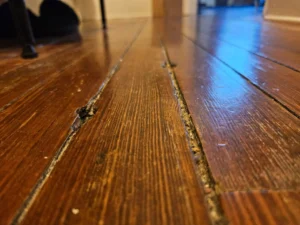
Old wood floors can add warmth, charm and character to any home. However, years of dirt, dust, wax, spills and foot traffic can make them look dull and tired.
Learning how to clean old wood floors helps you protect their natural beauty without causing more damage. The right cleaning method depends on the wood type, surface finish, age and current condition.
You should always clean old floors gently. Too much water, harsh cleaners and rough scrubbing can damage wood and its finish. Professional wood-floor guidance also recommends using as little moisture as possible during cleaning.
Why Old Wood Floors Need Special Cleaning
Old wood floors often have a different surface than newer floors. Some have modern finishes, while others may still have wax, oil, shellac, or an older coating.
The finish acts as a protective layer over the wood. When that layer becomes weak, moisture and dirt can reach the wood more easily.
This makes how to clean old wood floors different from cleaning tile, vinyl, or laminate. You need to remove dirt without soaking the boards or stripping away their protective finish.
Old floors can also contain small gaps and uneven areas. Dirt often collects inside these spaces, so regular sweeping alone may not give you a deep clean.
Check Your Old Wood Floor Before Cleaning
Before you start, inspect the floor carefully. Look for scratches, dark stains, loose boards, cracks, peeling finish and areas where the wood feels soft.
You should also identify the floor’s finish if possible. Knowing the finish helps you choose a safe cleaning method.
| Floor Condition | Recommended Approach | What to Avoid |
|---|---|---|
| Lightly dusty | Vacuum or dry mop | Excess water |
| Dull but sealed | Wood-floor cleaner | Strong chemicals |
| Waxed surface | Wax-safe cleaning method | Water-heavy cleaning |
| Oiled wood | Dry or lightly damp cleaning | Excess moisture |
| Deep scratches | Professional assessment | Aggressive scrubbing |
| Water damage | Stop and inspect | More water |
| Peeling finish | Professional refinishing | Wax or polish buildup |
If you cannot identify the finish, test your cleaning method in a hidden area first. This simple step can prevent visible damage across the entire floor.
Remove Dust and Loose Dirt First
Start by removing loose dirt before using any liquid cleaner. Grit can act like sandpaper when people walk over it.
Use a soft-bristle broom, microfiber dust mop, or vacuum designed for hard floors. Avoid vacuum attachments with hard wheels or rough brushes that can scratch the surface.
Bona recommends regular vacuuming or dusting to remove loose dirt and debris from wood floors. Regular dry cleaning also reduces the amount of wet cleaning needed later.
Pay extra attention to corners, doorways and areas under furniture. These locations often collect more dirt than open parts of the room.
How to Clean Old Wood Floors Safely
The safest approach starts with gentle cleaning. Use a cleaner made specifically for wood floors and follow its label instructions.
Apply a small amount of cleaner to a microfiber mop or cloth. The mop should feel damp, not wet, because standing water can enter seams and damage wood.
Work in small sections across the room. Wipe each section gently and avoid leaving moisture behind.
If you are learning how to clean old wood floors, remember that more cleaner does not mean better cleaning. Excess product can leave a sticky layer that attracts more dust.
After cleaning, allow the floor to dry naturally. Improve airflow if needed, but avoid creating excessive heat on the wood.
Use a Microfiber Mop for Better Results
Microfiber works well because it can pick up fine dirt without requiring heavy scrubbing. It also lets you control the amount of moisture placed on the floor.
Dampen the mop lightly and wring it out well. Never flood an old wood floor with a bucket of water.
Bona’s maintenance guidance recommends regular cleaning with wood-floor cleaning products and microfiber pads. It also warns against excessive water and strong detergents.
Change or rinse the mop pad when it becomes dirty. Using a dirty pad can spread grime instead of removing it.
How to Remove Stubborn Dirt From Old Wood
Old floors sometimes have sticky areas caused by grease, old cleaning products, or years of dirt. Start with the mildest method before trying anything stronger.
Use a wood-floor cleaner suitable for the existing finish. Apply it to a cloth or microfiber pad rather than pouring it directly onto the floor.
Rub the affected area gently in the direction of the wood grain. Stop if the finish starts looking cloudy, sticky, or damaged.
Do not use steel wool, abrasive powders, or rough scrubbers on finished wood. These materials can leave scratches that are difficult to repair.
For heavy buildup, a suitable deep-cleaning product may help. Bona’s professional guidance describes deep cleaning as a periodic process rather than something that should happen every day.
How to Clean Old Wood Floors With Wax
Some older wood floors have a wax finish. These floors require extra care because modern wood-floor cleaners may not work well with old wax.
First, identify whether wax covers the surface. A professional can help if you are unsure about the finish.
Avoid adding new wax over a dirty floor. Wax can trap dirt and create a dull, uneven appearance when applied over residue.
If the floor has heavy wax buildup, consider professional cleaning or refinishing. Old wax may need removal before a new protective treatment can work properly.
How to Clean Old Wood Floors With Oil Finish
Oiled wood floors need a different maintenance approach. Oil penetrates the wood and helps protect its surface.
Regular dry cleaning works well for everyday dirt. When deeper cleaning becomes necessary, use a cleaner designed for oiled wood.
Bona recommends keeping oiled floors as dry as possible during routine maintenance. Its guidance also recommends dry mopping and vacuuming regularly.
Do not use random polish or wax on an oiled floor. The wrong product can change the appearance and make future maintenance harder.
Removing Dark Stains From Old Wood Floors
Dark stains can come from water, pets, food, furniture, or old spills. The correct treatment depends on how deep the stain has entered the wood.
Start by cleaning the surface gently. If the mark remains, avoid aggressive scrubbing.
A surface stain may improve with proper cleaning. A stain inside the wood may require sanding and refinishing.
Do not use bleach or strong household chemicals without checking their suitability first. These products can change the wood’s color or weaken the finish.
If a dark mark covers a large area, contact a flooring professional. They can determine whether cleaning, spot repair, or refinishing offers the safest solution.
How to Deal With Scratches on Old Wood Floors
Cleaning cannot remove every scratch. Light surface marks may become less noticeable after proper cleaning and maintenance.
Deep scratches can expose the wood underneath the finish. Water and dirt can then enter the damaged area more easily.
Avoid trying to sand a deep scratch by hand unless you understand the floor’s finish. Uneven sanding can create visible patches.
Professional refinishing can restore badly worn floors. Bona notes that refinishing can remove heavy wear and old coatings before a new finish is applied.
Can You Use Vinegar on Old Wood Floors?
Many homemade cleaning recipes recommend vinegar for floors. However, you should be careful when using acidic products on old wood.
The safest choice is usually a cleaner designed for wood flooring and compatible with the floor’s finish. Always follow the manufacturer’s cleaning instructions.
Old finishes can react differently to household ingredients. A cleaner that works on one floor may cause dullness or damage on another.
If you prefer a homemade cleaning solution, check the floor manufacturer’s guidance first. When the finish is unknown, professional advice offers a safer option.
Mistakes to Avoid When Cleaning Old Wood Floors
Old wood requires gentle treatment, especially when the finish has already worn down. Several common cleaning habits can make the problem worse.
Avoid soaking the floor with water. Do not leave wet towels, dripping mops, or puddles on the surface.
Avoid harsh detergents and abrasive cleaning tools. Strong chemicals can weaken the finish or change the wood’s appearance.
Do not drag heavy furniture across the floor after cleaning. Use protective pads under furniture legs to reduce future scratches.
You should also avoid applying polish without checking whether it matches the existing finish. Bona specifically advises testing polish on a small area and avoiding certain products on waxed or oiled floors.
How Often Should You Clean Old Wood Floors?
The best cleaning schedule depends on traffic, pets, children and the condition of the floor. A busy home usually needs more frequent dust removal.
Dry cleaning should happen regularly because dirt can scratch the finish. Wet cleaning should happen only when the floor needs it.
Bona’s maintenance guidance suggests frequent loose-dirt removal and regular cleaning for lacquered wood floors. Its professional schedule also separates routine cleaning from occasional deep cleaning.
A simple routine can keep old floors looking better for longer.
| Cleaning Task | Suggested Frequency |
|---|---|
| Dust or vacuum | Several times each week |
| Remove spills | Immediately |
| Light damp cleaning | As needed |
| Deep cleaning | Occasionally |
| Finish maintenance | Based on floor condition |
| Professional refinishing | When the finish becomes badly worn |
How to Make Old Wood Floors Shine Again
Cleaning can improve the appearance of a dull floor, but cleaning alone may not restore lost finish. If the protective layer has worn away, the floor may need maintenance beyond cleaning.
First, remove dust and surface dirt. Then use a compatible wood-floor cleaner and allow the floor to dry completely.
If the floor still looks dull, inspect the finish. A compatible polish, refresher, recoating process, or refinishing service may provide a better result.
Never use shine-enhancing products simply because the floor looks dull. The product must match the existing finish.
Bona explains that some floors may benefit from polish or recoating when the protective layer shows wear.
When Old Wood Floors Need Professional Refinishing
Sometimes cleaning cannot solve the problem. Deep scratches, heavy stains, peeling finish and severe wear may require professional restoration.
A professional can inspect the wood and determine whether refinishing is practical. They can also identify the existing finish and choose a suitable restoration method.
Refinishing usually involves preparing the surface, addressing damaged areas and applying a new protective finish. This process can give an old floor a new appearance without replacing the entire floor.
Bona’s professional resources describe refinishing as an option for damaged floors that need a deeper restoration.
Simple Routine for Long-Term Wood Floor Care
Once you understand how to clean old wood floors, maintenance becomes much easier. The goal is to remove dirt before it creates scratches or buildup.
Keep entrance areas clean and use mats near exterior doors. These simple steps can reduce the amount of sand and grit that reaches the floor.
Clean spills quickly with a soft cloth. Move furniture carefully and use felt pads under chairs and tables.
Avoid excessive moisture during every cleaning session. Good maintenance protects the finish and can reduce the need for expensive restoration.
Best Tools for Cleaning Old Wood Floors
You do not need many tools to maintain an old wood floor. A few gentle cleaning items can handle most routine jobs.
A microfiber dust mop removes loose dirt without aggressive scrubbing. A hard-floor vacuum helps remove dust from corners and gaps.
You should also keep several clean microfiber cloths available for spills. Choose a wood-floor cleaner that matches the finish whenever possible.
Avoid collecting many strong cleaning products. Using the correct simple tools is safer than experimenting with harsh chemicals.
Frequently Asked Questions
What is the best way to clean old wood floors?
The best method starts with dry dust removal and gentle damp cleaning. Use a compatible wood-floor cleaner and avoid excess water.
Can I mop old wood floors with water?
You can use a lightly damp mop on suitable finished wood floors. Do not leave standing water or wet patches on the surface.
How do I clean old wood floors without damaging them?
Identify the finish first and use a compatible cleaner. Avoid abrasive tools, harsh chemicals and excessive moisture.
How do I remove years of dirt from old wood floors?
Start by vacuuming or dusting the entire surface. Then use a suitable wood-floor cleaner and work in small sections.
Can I use vinegar to clean old hardwood floors?
Vinegar is not the safest universal choice for old wood floors. A finish-compatible wood-floor cleaner is usually a better option.
How do I make old wood floors look new?
Cleaning can improve their appearance, but badly worn floors may need polishing, recoating, or refinishing. Inspect the finish before choosing a treatment.
How often should I deep clean old wood floors?
Deep cleaning should not replace regular dust removal. The correct frequency depends on traffic, floor condition and the manufacturer’s care instructions.
Should I wax old wood floors?
Only wax a floor when its finish requires wax. Do not apply wax over an incompatible finish or existing buildup.
When should I refinish an old wood floor?
Consider refinishing when the floor has deep scratches, severe wear, stubborn stains, or a badly damaged finish. A professional can assess the surface first.
Conclusion
Knowing how to clean old wood floors can help you protect their character and extend their useful life. The most important rule is to clean gently and control moisture.
Start with regular dust removal and use a microfiber mop for light damp cleaning. Choose products that match the floor’s finish and avoid harsh chemicals or abrasive tools.
If cleaning does not improve deep stains, scratches, or worn areas, consider professional restoration. A careful maintenance routine can keep old wood floors attractive for many years.
The beauty of an old wood floor comes from its character. With the right care, you can preserve that character while keeping the surface cleaner, safer and easier to maintain.


