
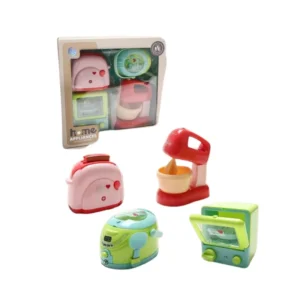
Parents always look for toys that entertain children while helping them learn important life skills. Home appliances toys have become one of the most popular choices because they allow kids to copy everyday household activities safely and creatively. These toys make learning exciting while encouraging imagination and confidence.
Modern children enjoy pretending to cook meals, clean rooms, wash clothes and prepare breakfast just like adults. Home appliances toys help children understand daily routines while improving creativity, communication and problem-solving skills. They also provide hours of enjoyable screen-free entertainment.
What Are Home Appliances Toys?
Home appliances toys are miniature versions of real household appliances designed especially for children. These toys often include realistic sounds, lights, moving parts and colorful designs that make pretend play more exciting.
Manufacturers create these toys from child-safe materials while keeping every feature simple and easy to use. Children can safely experience daily household activities without the risks that come with real electrical appliances.
Why Home Appliances and Toys Are Becoming So Popular
Many parents prefer educational toys over electronic gadgets because they encourage active learning instead of passive entertainment. Pretend play helps children develop valuable life skills while keeping them engaged for longer periods.
Experts in child development often recommend role-playing activities because they improve creativity and social interaction. Children learn by observing adults and these toys provide the perfect opportunity to practice everyday responsibilities.
Main Reasons Parents Buy These Toys
| Benefit | How It Helps Children |
|---|---|
| Creative Play | Encourages imagination and storytelling |
| Social Skills | Improves teamwork and communication |
| Fine Motor Skills | Strengthens hand and finger coordination |
| Problem Solving | Develops logical thinking |
| Responsibility | Teaches basic household routines |
| Confidence | Builds independence through pretend tasks |
Types of Home Appliances Toys
The market offers many different household toy appliances that match real kitchen and home equipment. Every toy focuses on helping children learn while enjoying imaginative play.
Toy Kitchen Appliances
Toy kitchen appliances remain the most popular category among young children. Kids enjoy pretending to prepare meals for parents, siblings and friends.
Common kitchen toys include:
- Toy microwave
- Toy blender
- Toy coffee maker
- Toy toaster
- Toy mixer
- Toy rice cooker
- Toy oven
- Toy refrigerator
These products usually include realistic buttons, lights and sound effects that make pretend cooking feel authentic.
Toy Vacuum Cleaners
Children naturally copy adults while cleaning the house. Toy vacuum cleaners allow kids to participate safely during household cleaning activities.
Some premium models produce realistic vacuum sounds while lightweight balls move inside transparent containers to simulate dirt collection. This realistic experience makes cleaning fun instead of boring.
Toy Washing Machines
Toy washing machines teach children the basic process of washing clothes through interactive play. Many models feature rotating drums, music, colorful lights and opening doors.
Children can place small toy clothes inside, close the door and pretend to wash laundry just like parents do at home.
Toy Mixers and Blenders
Toy mixers and blenders inspire young chefs to create imaginary cakes, smoothies and desserts. Rotating parts and realistic sounds make cooking games more enjoyable.
Children often combine these toys with kitchen playsets to build complete pretend kitchens filled with exciting activities.
Educational Benefits of Home Appliances Toys
Parents often choose home appliance toys because they offer educational value beyond simple entertainment. Every pretend activity teaches practical skills that children use throughout life.
Young learners improve their memory by remembering different household tasks. They also develop stronger communication skills while explaining recipes, cleaning routines or laundry steps during role play.
How Pretend Play Builds Confidence
Pretend play allows children to make decisions without fear of making mistakes. Every successful activity increases confidence and encourages independent thinking.
Children enjoy acting like parents because it makes them feel responsible and capable. This confidence often carries into school activities and daily life.
Choosing the Right Home Appliances Toys
Parents should always select toys according to the child’s age, interests and safety needs. Buying the correct toy ensures a better learning experience and longer playtime.
Look for products made from durable, BPA-free plastic with smooth edges. Strong construction helps toys last longer even with daily use.
Factors to Consider Before Buying
| Buying Factor | Why It Matters |
|---|---|
| Age Recommendation | Matches child development |
| Safety Certification | Protects children during play |
| Durable Material | Increases product lifespan |
| Educational Value | Encourages learning |
| Realistic Features | Makes pretend play enjoyable |
| Easy Cleaning | Keeps toys hygienic |
Features That Make These Toys More Realistic
Modern manufacturers continue improving toy designs by adding advanced features that increase excitement during pretend play. These additions keep children engaged while supporting creative thinking.
Popular features include realistic sounds, flashing lights, rotating parts, opening doors, removable accessories and battery-powered functions. These elements create an immersive experience that closely resembles real household appliances.
Safety Tips for Using Home Appliances Toys
Safety should always come first when children play with any toy. Parents should check every product before use and make sure it matches the recommended age group.
Always inspect toys for broken pieces, loose parts or sharp edges before giving them to children. Home appliances toys should remain clean and well-maintained to provide a safe and enjoyable play experience.
Essential Safety Guidelines
| Safety Tip | Benefit |
|---|---|
| Check the recommended age | Prevents choking hazards |
| Buy certified toys | Ensures quality and safety |
| Supervise young children | Reduces the risk of accidents |
| Avoid damaged toys | Prevents injuries |
| Clean toys regularly | Keeps germs away |
| Store toys properly | Extends product life |
Age-Wise Guide for Home Appliances Toys
Children develop different skills as they grow, so choosing age-appropriate toys is very important. The right toy keeps children interested while supporting healthy learning.
Toddlers (1–3 Years)
Toddlers enjoy colorful toys with large buttons and simple features. Soft sounds and bright colors help improve their sensory development.
Parents should avoid toys with small detachable parts during this stage. Large and lightweight designs offer better safety and comfort.
Preschool Children (3–5 Years)
Preschoolers love pretending to cook, clean and organize household items. They begin understanding routines and enjoy copying adults during play.
Kitchen sets, washing machines and toy vacuum cleaners become excellent choices for this age group. These toys improve imagination while developing communication skills.
School-Age Children (5–8 Years)
Older children enjoy realistic appliances with moving parts, lights and sound effects. They create detailed role-playing games with siblings and friends.
Many children combine different toy appliances to build complete pretend homes. These activities improve teamwork and creative storytelling.
How Home Appliances Toys Support Child Development
Child development experts believe pretend play builds many important life skills. Children learn through observation, imitation and repeated practice.
Role-playing everyday household activities strengthens emotional, social and intellectual development. It also encourages children to solve simple problems independently.
Development Areas Improved
| Development Area | Benefit |
|---|---|
| Cognitive Skills | Better thinking and memory |
| Physical Skills | Improved hand-eye coordination |
| Emotional Skills | Greater confidence and patience |
| Social Skills | Better teamwork and sharing |
| Language Skills | Stronger speaking ability |
| Creative Thinking | Enhanced imagination |
Home Appliances, Toys vs Electronic Gadgets
Many parents compare educational toys with smartphones and tablets. Although digital devices have educational content, physical toys provide more hands-on learning.
Pretend play keeps children active instead of sitting in front of screens for long periods. This balance supports healthier mental and physical development.
| Home Appliances Toys | Electronic Gadgets |
|---|---|
| Encourage creativity | Mostly passive entertainment |
| Improve motor skills | Limited physical activity |
| Support social play | Often played alone |
| Reduce screen time | Increase screen exposure |
| Inspire imagination | Provide ready-made content |
Why Parents Love Home Appliances Toys
Parents appreciate toys that combine learning with entertainment. Instead of simply keeping children busy, these products encourage useful life skills.
Many families notice children becoming more interested in helping with simple household chores after spending time with pretend appliances. This early exposure builds responsibility in a fun way.
Popular Home Appliances and Toys Available Today
The toy industry continues to introduce exciting products inspired by modern household appliances. Manufacturers now create highly realistic models that closely resemble real machines.
Some of today’s most popular options include toy air fryers, coffee machines, robotic vacuum cleaners, dishwashers, stand mixers, electric kettles and mini refrigerators. Children enjoy exploring these modern appliances through imaginative role play.
Features to Look for Before Buying
Choosing high-quality toys ensures better durability and greater educational value. Parents should compare different products before making a purchase.
Look for these useful features:
- Realistic lights and sounds
- Smooth edges for safety
- Durable ABS plastic construction
- Easy-to-press buttons
- Battery-efficient design
- Easy-to-clean surfaces
- Educational accessories
- Attractive colorful appearance
These features increase both fun and long-term value while making pretend play more realistic.
Common Mistakes Parents Should Avoid
Some parents buy toys based only on appearance instead of educational value. A beautiful toy may not always provide meaningful learning opportunities.
Avoid buying products that contain small parts for young children. Always read the product description carefully before making a purchase.
Another common mistake involves purchasing too many toys at once. Children often enjoy a smaller collection of high-quality toys more than many low-quality products.
Cleaning and Maintaining Home Appliances and Toys
Proper maintenance keeps toys looking new while protecting children from dust and germs. Regular cleaning also increases product lifespan.
Wipe plastic surfaces with a soft damp cloth and mild soap. Dry every toy completely before storing it in a clean container.
Avoid placing battery-operated toys in water because moisture can damage electrical components. Remove batteries when toys remain unused for long periods.
Are Home Appliances Toys Worth Buying?
For most families, the answer is yes. Home appliances and toys provide entertainment while teaching valuable everyday skills that children will use throughout life.
They encourage creativity, improve communication, build confidence and reduce unnecessary screen time. Their educational value makes them a smart investment for growing children.
| Buying Factor | What to Check |
|---|---|
| Material | BPA-free or non-toxic ABS plastic |
| Build Quality | Strong and durable construction |
| Safety | Rounded edges and child-safe design |
| Features | Lights, sounds and moving parts |
| Accessories | Cups, utensils, toy food or clothing |
| Batteries | Easy to replace and energy efficient |
| Warranty | Available for premium products |
| Price | Matches quality and includes features |
How Teachers Use Home Appliances Toys in Classrooms
Many preschool teachers include household toy sets in learning activities. Children work together while practicing communication, teamwork and creative thinking.
Pretend kitchens and cleaning stations encourage students to share responsibilities and solve simple problems together. These activities also improve confidence when children speak and interact with classmates.
Future Trends in Home Appliances and Toys
The toy industry continues to introduce new ideas every year. Manufacturers now combine traditional pretend play with modern technology to create exciting learning experiences.
Some newer models include voice effects, interactive buttons, rechargeable batteries and smart learning features. Even with these improvements, the main goal remains helping children learn through imaginative play.
Conclusion
Choosing educational toys helps children learn while having fun and home appliance toys are an excellent example of this balance. They encourage imagination, improve communication, teach responsibility and help children understand everyday household routines through safe and enjoyable play.
Parents who invest in quality pretend household appliances give their children opportunities to build important life skills from an early age. Whether children enjoy cooking, cleaning or organizing their pretend homes, these toys create meaningful experiences that support healthy development.
As the toy industry continues to improve safety and realism, home appliance toys will remain a favorite choice for families looking for educational and entertaining play options. Selecting age-appropriate products from trusted brands ensures children enjoy countless hours of creative learning while developing confidence and independence.
Frequently Asked Questions
1. What are home appliance toys?
Home appliances toys are child-friendly versions of real household appliances such as toy kitchens, washing machines, vacuum cleaners and coffee makers. They help children learn through imaginative role play.
2. Are home appliances toys safe for children?
Yes. Most quality toys are made from non-toxic materials and include rounded edges for safety. Parents should always choose age-appropriate products and supervise younger children.
3. At what age can children start playing with home appliances toys?
Many simple household toys are suitable for children aged 1 to 3 years, while more detailed pretend appliance sets work best for children aged 3 to 8 years.
4. What skills do home appliance toys develop?
These toys improve creativity, communication, fine motor skills, problem-solving, teamwork, confidence and responsibility through everyday pretend activities.
5. How do I choose the best home appliance toys?
Look for durable materials, child-safe certifications, realistic features, educational value and products from trusted toy brands.
6. Can home appliance toys reduce screen time?
Yes. Pretend household play keeps children physically active and encourages face-to-face interaction instead of spending long hours using phones or tablets.
7. How should I clean home appliance toys?
Clean plastic toys with a soft cloth, warm water and mild soap. Dry them completely before storage and avoid immersing battery-operated toys in water.
8. Are home appliances toys worth buying?
Absolutely. They combine entertainment with learning, making them one of the best educational toy categories for young children.


