
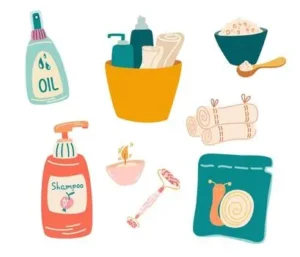
Modern life becomes easier when the basic things you need are available at the right time. daily necessities include products and supplies that support personal care, meals, cleaning, comfort and normal household routines.
These items may look simple, but they help a home run smoothly every day. From soap and toothpaste to food staples, laundry supplies and kitchen tools, choosing useful essentials can save time, reduce stress and support better organization.
What Are Daily Necessities?
The term daily necessities describes products that people regularly need for ordinary living. These products can include personal hygiene items, food, cleaning supplies, paper products and basic household goods.
The exact items change from one person or family to another. A student living alone may need fewer supplies, while a large family may need larger quantities of food, toiletries and cleaning products.
Health references commonly connect basic daily activities with bathing, grooming, eating, dressing and managing the home. The Cleveland Clinic includes soap, towels, dental care products and grooming supplies among these everyday activities.
Why Daily Necessities Matter
A well-planned supply of daily necessities helps prevent small household problems from becoming major inconveniences. Running out of toothpaste, cooking oil, detergent or toilet paper can interrupt an otherwise normal day.
Keeping useful essentials at home also makes shopping more organized. Instead of buying random products whenever something runs out, you can understand what your household uses and plan purchases around real needs.
The goal is not to fill every cupboard with products. The better approach is to keep enough of the items you use often while avoiding unnecessary purchases.
Main Categories of Everyday Essentials
Most households can organize essential products into a few simple groups. This method makes it easier to understand what you need and where each item belongs.
| Category | Common Examples | Main Purpose |
|---|---|---|
| Food staples | Rice, flour, pulses, oil, salt | Meal preparation |
| Personal care | Soap, toothpaste, shampoo | Hygiene and grooming |
| Cleaning | Detergent, dish soap, surface cleaner | Home cleanliness |
| Paper products | Tissue, toilet paper, kitchen rolls | Household use |
| Kitchen supplies | Containers, utensils, storage bags | Cooking and storage |
| Clothing care | Laundry detergent, hangers, brushes | Washing clothes |
| Basic tools | Scissors, batteries, tape | Small household tasks |
Retail household categories commonly include cleaning supplies, laundry products, tissues, food storage items, garbage bags and toilet rolls.
Food and Kitchen Essentials
Food is one of the most important groups of daily necessities because most households prepare meals regularly. Basic pantry items can make cooking easier when fresh shopping is not possible.
Common staples include flour, rice, pulses, cooking oil, salt, sugar, tea, spices and other foods that fit your household’s normal meals. Fresh foods such as milk, eggs, vegetables and fruit should be purchased according to storage space and expected use.
Kitchen supplies also matter because good food needs proper preparation and storage. Useful items include cutting boards, cooking utensils, food containers, measuring tools, dishwashing supplies and reusable kitchen cloths.
A recent Pakistani grocery guide highlights flour, rice, pulses, spices, cooking oil, dairy products and breakfast foods as common household grocery groups.
Personal Hygiene Essentials
Personal care products support cleanliness and comfort throughout the day. daily necessities in this category often include soap, toothpaste, toothbrushes, shampoo, towels, combs and other products that fit individual routines.
Dental care deserves regular attention because brushing is part of basic personal hygiene. Products should be selected based on age, personal needs and guidance from a qualified dental professional when special concerns exist.
It is also useful to store personal care products in a clean, dry place. Keeping each person’s items separate can make the bathroom easier to organize and reduce confusion in busy households.
Cleaning and Laundry Supplies
A clean home needs practical cleaning products rather than a huge collection of specialized bottles. Common supplies include laundry detergent, dishwashing liquid, floor cleaner, surface cleaner, sponges, brushes, cloths and garbage bags.
The U.S. Bureau of Labor Statistics includes laundry and cleaning supplies, paper towels, napkins, toilet tissue and other home products within housekeeping supplies.
Choose cleaning products according to the surfaces and tasks in your home. Always read the product label and follow its directions, especially when using concentrated cleaners.
Laundry supplies also deserve a regular place in your home inventory. Detergent, stain-treatment products, clothes hangers and a laundry basket can make washing and storing clothes more manageable.
Bathroom and Paper Essentials
Bathroom supplies are easy to overlook until they run out. Toilet paper, tissues, hand soap, towels and other routine products should be checked regularly.
Paper products can also include kitchen rolls, napkins and cleaning tissues. Buying a reasonable amount can reduce frequent shopping while preventing clutter from excessive storage.
For homes with children or several family members, usage can be higher. Your shopping plan should reflect the number of people in the home rather than copying another family’s routine.
Clothing and Household Comfort
Clothing is an everyday need because people require suitable clothes for school, work, home, sleep and different weather conditions. A practical wardrobe should focus on useful clothing instead of buying items simply because they are fashionable.
Household comfort also depends on basic items such as bedsheets, towels, blankets, curtains and storage solutions. These products do not always need frequent replacement, but they become important when old items wear out.
The best choices depend on your climate, home size, budget and daily routine. Simple, durable items often provide more value than products that look attractive but receive little use.
How to Choose the Right Essentials
Choosing daily necessities should begin with actual use rather than advertising or trends. Ask yourself whether a product solves a regular problem and whether you already own something that performs the same task.
Quality matters, but the most expensive option is not automatically the best one. Compare durability, size, materials, ease of use, storage needs and cost per use.
For food, check packaging information, storage instructions and expiration dates. For cleaning and personal care products, read labels carefully and use products only for their intended purpose.
| Buying Factor | What to Check |
|---|---|
| Need | Will you use it regularly? |
| Quality | Is it suitable for its intended job? |
| Size | Can you store it comfortably? |
| Cost | Does the price fit your budget? |
| Safety | Are labels and directions clear? |
| Durability | Will it last for a reasonable period? |
| Waste | Can you avoid buying more than needed? |
How to Organize Everyday Essentials at Home
Good organization makes essential products easier to find. Store similar items together, such as keeping cleaning supplies in one area and pantry foods in another.
Use clear containers for suitable dry foods and label them when needed. Keep older products where you can use them first, especially when they have limited shelf life.
You can also maintain a simple household inventory. A quick check once a week can show which products are running low and prevent last-minute shopping.
How to Save Money on Everyday Essentials
A smart approach to daily necessities focuses on value instead of buying the cheapest product every time. A low-cost item that breaks quickly or performs poorly may cost more after repeated replacement.
Compare pack sizes and prices before purchasing. Larger packs can offer better value when your household can use the product before it expires or becomes unsuitable.
Avoid buying large quantities simply because a discount looks attractive. A discount does not save money when the product remains unused or creates unnecessary waste.
Planning meals can also reduce grocery waste. When you know what you expect to cook, you can purchase suitable amounts instead of collecting foods that may remain unused.
Everyday Essentials for Different Lifestyles
Every household has different needs. A university student may focus on simple foods, personal care products, laundry supplies and basic kitchen items, while a family may need broader food and cleaning supplies.
People who work from home may use more stationery, drinking water, storage products and comfortable household items. Families with young children may need additional hygiene, food storage and cleaning supplies.
The key idea is personalization. Your essentials should match your routine, space, budget and household size rather than following a generic shopping trend.
Building a Simple Monthly Shopping Routine
A monthly review can make household shopping easier. Start by checking pantry items, bathroom supplies, cleaning products, laundry products and paper goods.
Separate products into three groups: items you need now, items that will run out soon and items you already have enough of. This simple system can reduce duplicate purchases and make your budget easier to manage.
Online grocery stores can also make restocking more convenient. Pakistani retailers currently offer categories covering food, cleaning supplies, laundry products, tissues, kitchen storage and other household basics.
Common Mistakes to Avoid
One common mistake is buying too many products without considering actual usage. A crowded home can become harder to organize when cupboards contain items that rarely serve a purpose.
Another mistake is ignoring storage instructions. Food, cleaning products and personal care items may have different storage requirements, so labels should guide where and how you keep them.
It is also unhelpful to choose products only because they are popular online. Reviews can provide ideas, but your final decision should consider your own needs, budget and household routine.
Simple Household Essentials Checklist
A useful home supply system does not need to be complicated. Focus on products that support food preparation, hygiene, cleaning, laundry, comfort and basic household tasks.
Create separate shopping sections for pantry foods, fresh foods, personal care, cleaning, laundry, bathroom supplies and household tools. Review each section before shopping and remove items that your household rarely uses.
This approach helps keep your home practical without encouraging unnecessary consumption. It also makes it easier to notice important products before they completely run out.
Conclusion
A thoughtful approach to daily necessities can make everyday life simpler and more organized. The best household supply system does not depend on owning many products, but on keeping the right products available when you need them.
Start with the basics, understand your household’s real habits and adjust your purchases over time. When you choose useful products, store them properly and review supplies regularly, everyday shopping becomes easier and more cost-effective.
Frequently Asked Questions
What are daily necessities?
Daily necessities are basic products that people regularly need for normal living. They commonly include food, personal hygiene products, cleaning supplies, paper goods and household items.
How often should I restock household essentials?
Restocking depends on how quickly your household uses each product. Check fast-moving items weekly and review slower-moving supplies during your monthly shopping routine.
Should I buy household products in bulk?
Bulk buying can help with products you use often and can store safely. However, avoid large quantities when products may expire, lose quality or take too much space.
How can I reduce spending on necessities?
Plan purchases around actual household use and compare prices before buying. Avoid duplicate products, unnecessary upgrades and large packs that your household cannot use efficiently.
What should every home keep in stock?
Most homes benefit from basic food staples, personal hygiene products, cleaning supplies, laundry detergent, bathroom paper products and useful kitchen tools.
How can I organize household essentials?
Group similar products together and keep frequently used items easy to reach. Check supplies regularly and place older suitable products where they will be used first.


