Choosing the best laundry machine can feel hard at first. There are many types, sizes and prices to compare. This guide breaks it all down in simple steps.
We reviewed current buying guides and 2026 test results. You will learn what really matters, from drum size to energy use. By the end, you will know which washer fits your home.
What Is the Best Laundry Machine for Most Homes?
For most families, the best laundry machine is a front-load washer. Recent 2026 test lists place front loaders at the top for cleaning and efficiency. They also use less water and power than older designs.
Top-load washers still have fans, though. They cost less upfront and load without bending. So the right pick depends on your budget, space and habits.
Front Load vs Top Load – The Main Difference
Front-load washers use gravity to tumble clothes through water. Top-load washers use an agitator or a flat disc to move the laundry. This one change affects cost, water use and fabric care.
Front loaders are gentler on clothes. Top loaders are better for bulky items and quick cycles. Both types can clean well when you choose a good model.
Quick Comparison Table
| Feature | Front-Load Washer | Top-Load Washer |
|---|---|---|
| Cleaning style | Tumbling with gravity | Agitator or impeller |
| Water and energy use | Lower | Higher on most models |
| Fabric care | Gentler | Rougher with agitators |
| Upfront price | Higher | Lower |
| Loading comfort | Needs bending | Easy, no bending |
| Cycle time | Longer | Often faster |
| Spin speed | Usually higher | Usually lower |
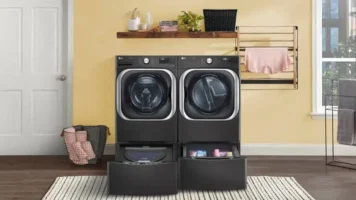
| Stacking with a dryer | Yes | No |
Why Energy Efficiency Matters
A washer runs for years, so running costs add up. A cheap machine can cost more in the long run if it wastes water and power. That is why efficiency should guide your choice.
Look for an Energy Star label or your local energy rating. These marks show how much power a machine uses per cycle. Consumer Reports testing found that very few top-load models earned top marks for both water and energy use.
Front loaders also spin faster. This pulls more water out of your clothes. Your dryer then needs less time, which saves even more money.
How to Choose the Right Capacity
Capacity tells you how much laundry fits in one load. In the US, it is measured in cubic feet. In many other countries, it is measured in kilograms of dry clothes.
Picking the right size saves time and power. A drum that is too small means extra loads. A drum that is too big wastes water when loads are light.
Do not fill the drum to the top. Clothes need room to move, or they will not get clean. Leave a little space inside every load.
Capacity Guide by Household Size
| Household Size | Suggested Capacity (kg) | Suggested Capacity (cu ft) |
|---|---|---|
| 1 to 2 people | 5 to 7 kg | 2.5 to 3.5 cu ft |
| 3 to 4 people | 7 to 9 kg | 4.0 to 4.8 cu ft |
| 5 or more people | 9 to 12 kg | 5.0 cu ft and up |
These numbers are a starting point. Think about how often you wash and what you wash. Bulky items like quilts and towels need a bigger drum.
Check the Size of Your Laundry Space
Measure your space before you shop. A great washer is useless if it does not fit through your door. Leave a few inches behind the machine for hoses and airflow.
Small homes can use compact or stacked units. A stacked front-load washer and dryer saves floor space. Many people tuck them behind cabinets near the kitchen or bathroom.
Key Features That Are Worth Paying For
Not every feature is useful. Some add cost without much benefit. Focus on the ones that make laundry easier or protect your clothes.
Spin speed is a big one. Higher speeds remove more water and shorten dry time. Fabric care programs protect delicate items like wool and silk.
Self-clean cycles also help. They fight mold and bad smells inside the drum. Smart controls are nice, but they are not a must for most people.
Features Comparison Table
| Feature | Why It Helps | Worth It? |
|---|---|---|
| High spin speed | Cuts dryer time and power use | Yes |
| Self-clean cycle | Stops mold and odors | Yes |
| Steam cycle | Removes some stains and wrinkles | Maybe |
| Smart app control | Lets you start or check loads remotely | Optional |
| Vibration control | Reduces noise and shaking | Yes, for upstairs rooms |
| Delay start | Runs cycles at cheaper power times | Yes |
Top Picks From 2026 Test Lists
Brand names come up often in 2026 reviews. LG front loaders appear near the top for cleaning and efficiency. Electrolux also gets strong praise for its high-end front-load line.
For top loaders, Speed Queen earns a name for long life. Samsung and Bosch are also popular in many countries. Models change fast, so check the latest reviews before you buy.
Here is a simple way to match types to needs:
- Best overall: a high-efficiency front loader from a trusted brand
- Best for durability: a commercial-style top loader
- Best for tight budgets: a basic LG or GE front loader or a simple top loader
- Best for easy loading: a modern high-efficiency top loader
Price Ranges – What Do You Get for Your Money?
Prices vary a lot by country, brand and size. A basic washer costs much less than a premium one. Still, the cheapest model is not always the best value.
In general, think about cost over ten years. A pricier, efficient washer can win over time. Lower bills and fewer repairs often make up for the higher sticker price.
| Budget Level | What You Usually Get |
|---|---|
| Entry level | Basic cycles, standard spin, simple controls |
| Mid range | Better spin speed, more programs, self-clean |
| Premium | Smart features, steam, quiet motors, longer warranty |
Warranty and Repair Matter Too
A long warranty shows that a brand trusts its product. Read what the warranty covers before you pay. Motor and drum coverage often lasts longer than parts and labor.
Also check if repair shops and spare parts exist near you. A washer that is easy to fix will stay in your home for many more years. Top-load machines are often simpler and cheaper to repair.
Noise, Vibration and Placement
Washers can be loud when they spin. This matters if your laundry area sits near bedrooms. Look for models with vibration control and a direct-drive motor.
Place the machine on a flat, firm floor. Use the adjustable feet to keep it level. A level washer shakes less and lasts longer.
How to Make Your Washer Last Longer
Good habits protect your investment. First, do not overload the drum. Second, use the right amount of detergent.
Too much soap leaves residue and causes smells. Leave the door open after each wash so the drum can dry. Run a cleaning cycle once a month.
Check the rubber door seal on front loaders. Wipe away water and lint often. This simple step prevents mold.
Common Mistakes to Avoid
Many buyers pick based on price alone. Others pick a drum that is too large for their needs. Both choices can cost you money later.
Do not skip reading the energy label either. And never forget to measure your space. A few minutes of planning saves a lot of stress.
Conclusion
The best laundry machine is the one that matches your home, budget and habits. Front loaders lead in cleaning, efficiency and fabric care. Top loaders win on price and easy loading.
Start with your household size and space. Then compare energy ratings and key features. Use this guide and you will buy with confidence.
Frequently Asked Questions
What is the best laundry machine for a small family?
A 7 to 9 kg front-load washer suits most small families. It cleans well and saves water. Choose a model with an Energy Star label for lower bills.
Is a front load or top load washer better?
Front loaders clean better and use less water and power. Top loaders cost less and are easier to load. Pick the type that fits your budget and comfort.
How long does a washing machine last?
Most washers last about 10 to 14 years. Good care can extend that time. Avoid overloading and clean the drum often.
How much capacity do I need?
Choose about 5 to 7 kg for one or two people. Pick 9 kg or more for larger families. Leave some space in the drum for clothes to move.
Are expensive washing machines worth it?
Sometimes they are. Premium models often save energy and last longer. Still, a mid-range model is enough for many homes.
Why does my washer smell bad?
Mold grows in damp drums and rubber seals. Too much detergent also adds to the problem. Leave the door open and run a monthly clean cycle.
Does the best laundry machine need a smart app?
No, smart features are optional. They add convenience but do not clean better. Focus on size, efficiency and spin speed first.