Your kitchen sink is the busiest spot in your home. You rinse raw chicken, sticky dough and greasy pans there every day. Each time you reach for a pump bottle, you leave germs and grime behind.
A touchless pump fixes that problem. You wave your hand and the soap comes out. This guide helps you find the best automatic soap dispenser for kitchen sink use, with simple tips and clear comparisons.
Why Use an Automatic Soap Dispenser in Your Kitchen?
Kitchens get messy fast. You handle meat, eggs, flour and oil, then you need soap right away. A manual pump picks up all that mess from your fingers.
One home-product roundup points out that the soap dispenser may be the dirtiest thing in your kitchen. A sensor pump solves this because your hands never touch the device. Another review says touch-free models suit kitchens well, since you often handle raw meat and other contaminants there. Rolling Stonebustle
Touchless pumps also save soap and counter space. Most models give a set amount with each wave. That means less waste and fewer sticky puddles by the faucet.
How Does a Touchless Soap Dispenser Work?
An automatic dispenser uses a small infrared sensor. The sensor sends out invisible light. When your hand blocks that light, the sensor tells a tiny motor to push soap out.
The whole process takes less than a second. You do not press, twist, or squeeze anything. The motor runs on batteries or a built-in rechargeable cell.
Most models let you change the soap amount. You can pick a small dose for hand washing. You can also pick a large dose for greasy dishes.
Key Features to Check Before You Buy
Many dispensers look alike, but they differ in useful ways. Check the features below before you spend money. The table sums up what to look for.
| Feature | What to Look For | Why It Matters |
|---|---|---|
| Capacity | 9 to 17 oz | Bigger tanks need fewer refills |
| Power source | Rechargeable or AA batteries | Rechargeable models save money over time |
| Water resistance | Sealed battery box and sensor | Sink splashes can ruin weak designs |
| Soap volume control | 3 to 5 adjustable levels | You can match the dose to the task |
| Material | Stainless steel or sturdy plastic | Metal resists rust and looks sleek |
| Refill style | Wide top opening | You can refill without spills |
Let’s look at the most important ones in more detail.
Capacity and Refill Style
Busy kitchens use a lot of soap. A 17-ounce tank suits large families. A smaller 9-ounce tank works well for couples or tight sinks.
Look for a wide top opening, too. Pouring soap through a narrow neck makes a mess. A good design lets you refill in seconds.
Power Source
Battery models cost less at first. You swap the cells every few months. Rechargeable models use a USB-C or similar port.
Rechargeable pumps save you from buying batteries again and again. They also cut waste. Most last several weeks on one charge.
Water Resistance
Your sink gets wet all day. Water can creep into the sensor or the battery box. That damage kills cheap dispensers fast.
One reviewer praised a popular model because its silicone-sealed battery compartment keeps water out. Look for this kind of sealed design. It protects the electronics from splashes. bustle
Soap Type
Not every dispenser handles every soap. Some pumps only take foaming soap. Others only work with regular liquid soap.
Check the label before you buy. Thick dish soap can clog a pump built for thin liquids. When in doubt, test with watered-down soap first.
Types of Automatic Soap Dispensers for Kitchen Sinks
You can pick from three main styles. Each one suits a different sink setup. The table below compares them.
| Countertop: sits beside the sink | Renters and quick setup | Takes counter space |
| Wall-mounted: attaches to the wall or backsplash | Small kitchens | Needs drilling or strong adhesive |
| Built-in (deck-mounted): fits through a sink hole | Clean, permanent look | Needs a free hole and some skill |
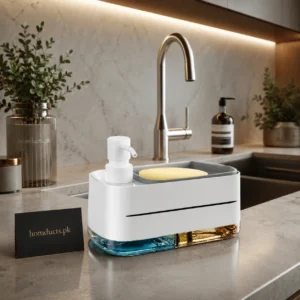
Countertop models are the easiest choice. You unbox them, add soap and start using them. Most people begin here.
Wall-mounted models free up your counter. They also keep the pump away from splashes. One buying guide names the Secura 17-ounce unit as a top wall-mounted pick. bobvila
Built-in models hide the tank under the sink. A tube runs up to a small spout on the deck. This style looks neat, but your sink needs a spare hole.
Choosing the Best Automatic Soap Dispenser for Kitchen Sink Use
When you hunt for the best automatic soap dispenser for kitchen sink needs, start with how you cook. A family that fries food daily needs a big tank and a strong pump. A person who eats out often can choose a small, simple model.
Next, think about your space. Measure the area beside your faucet. A tall dispenser may bump into cabinets or windowsills.
Then think about style. Stainless steel matches modern kitchens. Clear plastic lets you see the soap level at a glance.
Finally, set a budget. Good models start around $30 and climb past $60. Paying more often gets you rechargeable power and better sealing.
Which Is the Best Automatic Soap Dispenser for Kitchen Sink in 2026?
Review sites rank many models and a few names appear again and again. We checked several expert roundups from this year. The table below sums up the models they mention most.
| Model | Known For | Power and Size |
|---|---|---|
| Simplehuman Rechargeable Sensor Pump | Premium build and caddy option | Rechargeable, 9 oz |
| Secura Automatic Dispenser | Low price and huge review count | Batteries, 17 oz |
| PZOTRUF Touchless Dispenser | Top-fill design and value | Check listing |
| AIKE SensePro | Brushed steel look | USB-C rechargeable, 12.8 oz |
| OHIFAST Automatic Dispenser | Simple, no-fuss use | Check listing |
Always confirm the latest details on the seller’s page. Prices and features change often.
Simplehuman Sensor Pump – Best for Premium Quality
One top review site names this model its pick for best automatic dispenser. It holds 9 ounces and recharges with a cable. A tester placed the version with a caddy in the corner of the sink and liked the setup. bobvila
This pump costs more than most rivals. You pay for tidy design and solid parts. Many buyers feel the extra money is fair.
Secura 17 oz – Best for Value and Capacity
The Secura model packs a big tank into a small price. One tester notes it has nearly 40,000 reviews, which shows how many people trust it. The same review puts the price near $28. mayfairfarms
It runs on batteries, so you will swap them now and then. The large tank cuts how often you refill. Busy kitchens love this trade-off.
AIKE SensePro – Best for Easy Charging
This dispenser charges through a Type-C port. That means you can use the same cable as your phone. The brushed steel finish also looks clean next to most faucets.
Its 12.8-ounce tank sits between small and large. It suits most families well. Check recent reviews before you buy, since quality can vary by batch.
How Much Should You Spend?
Price tells you something, but it does not tell the whole story. A cheap pump can work well for years if you treat it right. A costly one can fail if water gets inside.
Here is a simple guide for the best automatic soap dispenser for kitchen sink budgets.
| Budget | Typical Range | What You Get |
|---|---|---|
| Basic | Under $30 | Battery power, plastic body, large tank |
| Mid-range | $30 to $50 | Steel finish, better sealing, adjustable dose |
| Premium | $50 and up | Rechargeable cell, refined design, caddy options |
Spend more if you use the sink all day. Spend less if you only need a simple helper. Either way, read recent buyer reviews first.
How to Set Up Your New Dispenser
Setup takes about five minutes. Follow these steps for a smooth start:
- Unbox the dispenser and check for cracks or missing parts.
- Insert fresh batteries or charge the unit fully.
- Fill the tank about three-quarters full with the right soap.
- Place it near the faucet, on a flat, dry spot.
- Test the sensor by waving your hand below the nozzle.
Do not fill the tank to the brim. Soap needs a little room so the pump can work. Overfilling also leads to leaks.
Care and Cleaning Tips
A clean dispenser lasts longer. Soap can dry inside the nozzle and block the flow. A little care each month prevents this.
Wipe the outside with a damp cloth every week. Rinse the nozzle with warm water once a month. Never dunk the whole unit in water, since the sensor and motor can break.
Replace batteries as soon as the pump slows down. Weak power causes small, uneven squirts. Rechargeable models work best when you charge them before they run flat.
If the pump clogs, flush it with warm water. Then run a few cycles into the sink. Most clogs clear in a minute.
Common Mistakes to Avoid
Many buyers make the same few errors. Avoid them and you will enjoy your dispenser for years. Here are the big ones:
- Using thick soap that clogs the pump
- Placing it too close to the faucet, where water sprays the sensor
- Ignoring water ratings on the product page
- Skipping cleaning until the nozzle blocks
Also, keep the unit away from hot pans and stoves. Heat can warp plastic parts. A spot near the sink’s edge works best.
Pros and Cons of Automatic Dispensers
Touchless pumps help a lot, but they are not perfect. This table shows both sides so you can decide with confidence.
| Pros | Cons |
|---|---|
| Keeps hands clean while you cook | Needs batteries or charging |
| Saves soap with set doses | Costs more than manual pumps |
| Looks modern and tidy | Cheap models may leak or jam |
| Easy to use for kids and older adults | Sensors may misfire in bright light |
For most households, the pros win. The convenience and cleanliness add up each day.
Conclusion
A good touchless pump makes kitchen life easier. It keeps raw food germs off your soap bottle. It also helps you save soap and tidy up your counter.
Pick the best automatic soap dispenser for kitchen sink needs by checking capacity, power, sealing and soap type. Start with your budget, then compare two or three models. A little research now saves you trouble later.
Frequently Asked Questions
What is the best automatic soap dispenser for kitchen sink use?
The best choice depends on your needs. The Simplehuman sensor pump suits buyers who want premium quality. The Secura 17-ounce model suits shoppers who want big capacity at a low price.
Can I use dish soap in an automatic dispenser?
Yes, most models handle dish soap. Pick a thinner formula, or mix a little water into thick soap. Foam-only dispensers need special foaming soap.
How long do the batteries last?
Battery life varies by brand and daily use. Most models run for several weeks to a few months. Rechargeable units often last a few weeks per charge.
Are touchless soap dispensers waterproof?
Most are water-resistant, not fully waterproof. They handle splashes but not full submersion. Check the product page for the exact rating.
Why does my dispenser squirt on its own?
Bright light, reflections, or a dirty sensor can trigger it. Wipe the sensor with a soft cloth first. Then move the unit away from shiny surfaces.
Is a built-in or countertop model better?
Built-in models save counter space and look clean. Countertop models are easier to install and move. Renters usually prefer countertop styles.