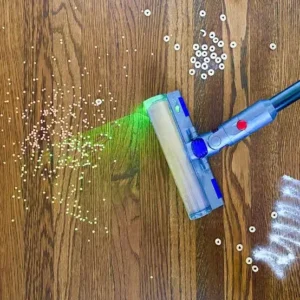
Hard floors look sleek, but they show every crumb, hair and speck of dust. A weak vacuum leaves the mess behind. A harsh one can scratch your finish.
This guide helps you pick the best hard floor vacuum for your home, budget and cleaning style. We used current expert test lists and simple buying rules. Let’s start.
Why Hard Floors Need a Different Kind of Vacuum
Carpet vacuums use stiff spinning brushes to dig into thick fibers. On a bare floor, those same brushes can scatter debris and scuff the surface. Over time, that damage dulls the finish.
Hard floor cleaning needs a gentler touch. The tool must lift fine dust from cracks and seams. It also has to protect the floor while it works.
The National Wood Flooring Association also reminds owners to protect wood from grit. Tiny stones act like sandpaper under your shoes and wheels. A good vacuum removes that grit before it harms the floor.
What Makes the Best Hard Floor Vacuum?
Not every vacuum suits bare floors. Look for a few key features before you buy. These features matter more than a flashy brand name.
A soft roller or brush that does not scratch. Soft fabric rollers and parquet-style brushes clean gently. Many top models also let you switch the brush off.
Strong, adjustable suction. Hard floors need enough power to grab fine dust. Too much power can push light debris away, so adjustable settings help.
Light weight and easy steering. You will move the vacuum around table legs and corners. A lighter machine saves your arms and your back.
Good filtration. Fine dust floats back into the air on bare floors. A sealed system with a HEPA-style filter keeps that dust inside.
Here is a quick summary of these features:
| Feature | Why It Matters | What to Look For |
|---|---|---|
| Brush type | Protects the floor finish | Soft roller or switch-off brush |
| Suction | Lifts fine dust and crumbs | Adjustable power modes |
| Weight | Makes cleaning easier | Under 7 lbs for stick models |
| Filtration | Traps allergens | Sealed system with HEPA filter |
| Lights | Shows hidden dust | LED or laser headlight |
Types of Hard Floor Vacuums Explained
Each vacuum type fits a different home. Let’s look at the four main choices.
Cordless Stick Vacuums
Cordless sticks are the most popular choice today. They start fast and store in a small space. Many models also turn into handheld cleaners.
The tradeoff is battery life. Most run about 30 to 60 minutes per charge. Larger homes may need a spare battery.
Canister Vacuums
Canisters give strong suction and handle long cleaning sessions. The motor sits in a body that rolls behind you. That design keeps the cleaning head light and gentle.
Test sites often rank canisters highly for bare floors. NBC Select’s hardwood vacuum guide names a Miele canister as its top pick. Experts like its soft parquet brush.
Robot Vacuums
Robots clean on their own while you do other things. They work well for daily dust and pet hair. Many new models also mop.
For busy homes, a robot may be the best hard floor vacuum because it cleans every day with no effort. Read our robot vacuum buying guide for more detail. Robots still need a manual vacuum for stairs and deep corners.
Wet-Dry Vacuums
Wet-dry models vacuum and mop in one pass. They suit kitchens, entryways and sticky spills. Cleaning the tank after each use is a must.
Here is how the four types compare:
| Type | Best For | Main Strength and Weakness |
|---|---|---|
| Cordless stick | Daily cleanups | Light and quick, but the battery is limited |
| Canister | Large homes | Strong suction, but it is harder to store |
| Robot | Busy households | Hands-free cleaning, but it misses stairs and edges |
| Wet-dry | Spills and mopping | Two jobs in one, but the tank needs cleaning |
Expert-Tested Models Worth Considering in 2026
Lab-style testers rank hard floor vacuums every year. We reviewed several current lists to spot repeat winners. Prices and stock change often, so check the latest listing before you buy.
If you want the best hard floor vacuum for a premium cordless option, the Dyson V15 Detect shows up often. RTINGS names it the top cordless pick for hardwood. It also names the Shark Cordless Pro as a mid-range choice. The Wyze Cordless Vacuum takes the budget spot.
For canister fans, Miele appears again and again. NBC Select highlights the Miele Complete C2 Hardfloor. Another roundup, from Technobezz, puts the Miele Complete C3 Marin first.
TechRadar picks the Dreame R20 as a strong all-rounder. It comes with a dedicated head for hard flooring. For robots, NBC Select recommends the Shark AI Ultra.
Here is a simple snapshot of these picks:
| Model | Type | Why Experts Like It |
|---|---|---|
| Dyson V15 Detect | Cordless stick | Strong cleaning plus a dust-revealing light |
| Shark Cordless Pro | Cordless stick | Good balance of price and performance |
| Wyze Cordless Vacuum | Cordless stick | Low cost for basic cleaning |
| Miele Complete C2 Hardfloor | Canister | Soft parquet brush and strong suction |
| Dreame R20 | Cordless stick | Dedicated hard floor head |
| Shark AI Ultra | Robot | Self-cleaning brush and smart mapping |
Want more cordless ideas? See our cordless vacuum reviews. You can also check the independent tests at Vacuum Wars.
How to Match a Vacuum to Your Floor Type
Different floors react differently to cleaning tools. Match your vacuum to the surface you own. This step prevents damage and saves money.
Hardwood scratches easily, so choose a soft roller and skip beater bars. Dry cleaning is safest for most wood finishes. Avoid heavy water on unsealed boards.
Tile is tough, but grout lines trap dirt. Pick a vacuum with strong suction and a narrow crevice tool. A wet-dry model also works well here.
Laminate can swell when it gets too wet. Stick to a dry vacuum or a mop with very little water. A soft brush keeps the surface clear of scratches.
Vinyl handles most vacuums well. Still, a soft head prevents scuffs and keeps the shine. Check the maker’s care guide for exact limits.
Learn more in our guide on how to clean hardwood floors safely.
Choosing a Vacuum for Pets, Kids and Allergies
Homes with pets need extra pickup power. Fur clings to bare floors and slides into corners. Cat litter and dog kibble scatter far from their bowls.
For pet owners, the best hard floor vacuum has a tangle-free brush and a large bin. Self-emptying bases also help. They reduce how often you touch the dust.
Families with kids need fast cleanups. Cereal and crumbs land everywhere at breakfast. A cordless stick on the wall makes quick work of the mess.
Allergy sufferers should check filtration first. The EPA’s indoor air quality guidance explains how dust and allergens affect your home. A sealed machine with a HEPA-style filter keeps fine particles inside the vacuum.
Smart Tips to Get Better Results
The right tool helps, but good habits matter too. Try these simple steps to protect your floors. They also make your vacuum last longer.
First, vacuum high-traffic areas twice a week. Grit builds up fastest near doors and in kitchens. Regular passes stop it from scratching the finish.
Second, empty the bin before it fills up. A full bin lowers suction and spreads dust. Wash filters on the schedule in your manual.
Third, clean the brush roller every month. Hair wraps around it and slows the spin. Cut it free with scissors and wipe off any dirt.
Finally, use door mats on every entry. Mats trap sand and small stones before they reach your floor. This one habit can cut your cleaning time.
Common Mistakes to Avoid
Many shoppers pick a vacuum based on suction alone. That choice can backfire on bare floors. Too much power with a hard brush can scatter debris and scratch the surface.
Others ignore weight and battery life. A heavy machine feels tiring after a few minutes. A weak battery stops mid-clean and wastes your time.
Some buyers also skip the return policy. Test any new vacuum on your own floors within the trial window. If it leaves streaks or misses fine dust, send it back.
Conclusion
The best hard floor vacuum is the one that fits your home, floors and habits. A cordless stick suits fast daily cleanups. A canister gives deep power for large spaces and a robot handles the daily dust for you.
Focus on soft brushes, adjustable suction, light weight and strong filtration. Compare a few expert lists, then check current prices. With the right choice, your floors will stay clean and scratch-free for years.
Frequently Asked Questions
What is the best hard floor vacuum for pet hair?
Choose a vacuum with a tangle-free brush and a large dustbin. Cordless sticks from Dyson and Shark often rank well for pet homes. Robot vacuums with self-emptying bases also cut daily hair buildup.
Can a regular vacuum damage hardwood floors?
Yes, it can. Stiff brushes and hard wheels may scratch the finish over time. Use a soft roller or turn the brush off on hardwood.
Is a cordless or corded vacuum better for hard floors?
Both work well. Cordless models offer ease and speed for daily cleaning. Corded and canister models give steady power for large homes.
Are robot vacuums good enough for hard floors?
Yes, they handle daily dust and pet hair very well. They save time and keep floors tidy between deep cleans. Pair one with a manual vacuum for corners and stairs.
How often should I vacuum hard floors?
Vacuum high-traffic areas two to three times a week. Clean the rest of the house once a week. Homes with pets may need daily passes.
Do I need a vacuum with a HEPA filter?
A HEPA-style filter helps if anyone in your home has allergies. It traps fine dust that would escape through a basic filter. It also keeps your indoor air cleaner.