Setting up a functional meal prep station starts with picking the right equipment for daily recipes. Having reliable gear turns stressful weeknight dinner rushes into smooth, enjoyable culinary routines. Investing in high-quality cooking tools for kitchen tasks saves valuable time and reduces daily physical effort.
Many home cooks waste money on flashy single-use gadgets that sit forgotten inside deep pantry drawers. Focusing on versatile, durable essentials helps you prepare delicious meals without cluttering your valuable countertops. We will explore the exact equipment every modern home cook needs for consistent culinary success.
Building a Strong Foundation with Quality Cookware
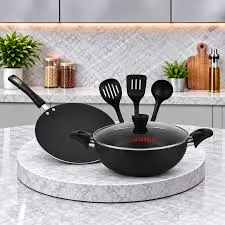
Your pots and pans handle the heavy lifting during every breakfast, lunch and dinner routine. Choosing durable metals ensures even heat distribution and prevents your favorite foods from burning unexpectedly. Upgrading your cooking tools for kitchen performance begins with selecting dependable cookware pieces built to last decades.
A heavy-bottomed stainless steel skillet handles high-heat searing and pan-roasting with impressive restaurant-level results. Nonstick frying pans make cooking delicate morning eggs and fluffy pancakes completely effortless without messy sticking. Adding an enameled cast-iron Dutch oven lets you simmer hearty stews and bake crusty artisan bread easily.
| Cookware Piece | Best Material | Primary Cooking Use & Care |
| Frying Pan | Hard-Anodized Nonstick | Eggs, pancakes, delicate fish — Hand wash with soft sponge |
| Sauté Skillet | Tri-Ply Stainless Steel | Searing meats, pan sauces — Dishwasher safe, use gentle cleanser |
| Dutch Oven | Enameled Cast Iron | Soups, braises, bread baking — Hand wash, avoid thermal shock |
| Saucepan | Stainless Steel | Boiling pasta, simmering grains — Dishwasher safe, easy maintenance |
Selecting Sharp and Reliable Cutting Blades
Dull blades force you to push harder while slicing vegetables, which causes dangerous accidental hand slips. Sharp steel edges glide cleanly through tough squash skins and ripe tomatoes with minimal downward pressure. Every smart list of cooking tools for kitchen safety places a sharp chef’s knife at the very top.
You do not need a massive wooden block filled with twenty specialty blades cluttering your counter space. Three core knives handle ninety-nine percent of all daily slicing, dicing, mincing and chopping tasks effortlessly. Keep an eight-inch chef’s knife, a serrated bread knife and a small paring knife ready for action.
Eight-Inch Chef’s Knife: Handles heavy vegetable chopping, herb mincing and slicing large cuts of meat smoothly.
Serrated Bread Knife: Slices through crusty artisan loaves and soft ripe tomatoes without crushing their delicate insides.
Three-Inch Paring Knife: Peels crisp apples, trims fresh strawberries and performs detailed garnishing work with total control.
Choosing Durable Cutting Boards for Food Safety
Protecting your sharp knife edges requires slicing ingredients on forgiving surfaces like hardwood or thick plastic. Cutting directly on granite countertops or glass plates ruins expensive metal blades within a few seconds. Pairing sharp knives with sturdy boards keeps your food prep station safe, organized and highly sanitary.
End-grain wooden cutting boards heal themselves naturally and resist deep knife scars over many years of use. Thick polypropylene plastic boards work wonderfully for raw poultry because you can sanitize them in hot dishwashers. Keeping separate boards for raw meats and fresh vegetables prevents dangerous cross-contamination inside your home.
Essential Mixing Bowls and Prep Containers
Gathering and measuring ingredients before turning on your stove makes cooking feel calm and completely organized. Nesting mixing bowls save cabinet space while giving you plenty of sizes for tossing fresh salads. Stainless steel and tempered glass bowls resist stains and never absorb strong garlic or onion odors.
Clear glass prep bowls let you organize measured spices and chopped aromatics before heat hits the pan. Many modern mixing bowls include tight-fitting silicone lids that turn them into instant refrigerator storage containers. Having versatile prep dishes cuts down on extra dirty dishes at the end of busy nights.
Accurate Measuring Gear for Baking Success
Stovetop cooking allows creative guessing, but baking requires exact ingredient ratios to achieve proper rise and texture. Using mismatched coffee mugs leads to dense cakes, flat cookies and disappointing culinary failures at home. Stocking accurate cooking tools for kitchen baking guarantees your homemade treats turn out delicious every single time.
Heavy-gauge stainless steel measuring cups withstand daily scooping without cracking, bending, or fading over many years. Liquid measuring cups made from clear tempered glass feature angled markings you can read from above easily. Adding a digital kitchen scale provides exact gram measurements for consistent bread and pastry recipes.
Heat-Resistant Utensils for Daily Stirring and Flipping
Using metal spatulas inside nonstick pans scratches the protective coating and ruins your expensive cookware quickly. Silicone and hardwood utensils protect delicate pan surfaces while withstanding high stovetop cooking temperatures safely. Keeping a weighted ceramic crock filled with sturdy tools right next to your stove speeds up meal prep.
Heat-resistant silicone spatulas scrape every last drop of batter or sauce out of mixing bowls cleanly. Locking stainless steel tongs act as an extension of your hands when flipping sizzling meats or roasting veggies. You can also explore our detailed guide on what are the best kitchen utensils to match tools with specific pan coatings.
High-Heat Bakeware for Roasting and Baking
Roasting vegetables at high oven temperatures brings out natural sweetness and creates delicious crispy caramelized edges. Thin, flimsy baking sheets warp loudly inside hot ovens and cook your food very unevenly. Heavy-gauge aluminized steel sheet pans conduct heat evenly and stay completely flat under intense oven heat.
Rimmed baking sheets catch dripping juices from roasting meats so your oven floor stays spotless and smoke-free. Wire cooling racks fit right inside sheet pans to elevate crispy bacon or baked chicken wings. Square borosilicate glass baking dishes handle savory casseroles and fudgy brownies with reliable heat retention.
| Bakeware Item | Ideal Material | Best Temperature Range & Main Purpose |
| Half Sheet Pan | Heavy-Gauge Aluminized Steel | Up to 500°F — Roasting veggies, baking cookies |
| Wire Cooling Rack | Stainless Steel | Up to 500°F — Cooling baked goods, crisping meats |
| 9×13 Baking Dish | Borosilicate Glass or Ceramic | Up to 450°F — Lasagna, casseroles, brownies |
| Loaf Pan | Aluminized Steel | Up to 450°F — Banana bread, meatloaf, pound cake |
Precision Thermometers for Food Safety
Guessing whether thick chicken breasts or steaks are fully cooked leads to dry, overcooked dinners. An instant-read digital meat thermometer delivers exact internal temperature readings in just two or three seconds. Checking food temperatures eliminates guesswork and protects your family from harmful foodborne illnesses every single night.
According to the USDA Safe Minimum Internal Temperature Chart, poultry must reach 165°F for safe eating. Leave-in oven probe thermometers also alert you when holiday roasts hit target temperatures without opening the oven door. Keeping a reliable thermometer in your drawer upgrades your cooking accuracy immediately.
Colanders, Strainers and Salad Spinners
Draining boiling pasta water safely requires a sturdy stainless steel colander with wide handles and a stable base. Footed colanders sit securely inside your sink so hot water drains away without backing up onto noodles. Choosing durable cooking tools for kitchen draining prevents painful steam burns and keeps food out of drains.
Fine-mesh stainless steel strainers rinse tiny quinoa grains, sift lumpy flour, and strain smooth homemade broths effortlessly. A reliable pump-action salad spinner washes and dries leafy greens in seconds so dressings cling properly. Dry lettuce leaves also stay crisp and fresh inside your refrigerator for several extra days.
Handheld Prep Helpers That Save Time
Small handheld gadgets solve annoying daily prep tasks without taking up precious counter or cabinet space. A sharp swivel Y-peeler strips tough potato, carrot and apple skins smoothly without straining your wrist. Four-sided stainless steel box graters shred fresh blocks of cheddar cheese without chemical anti-caking powders.
Microplane rasp graters unlock bright lemon zest, fluffy Parmesan snow and finely grated fresh ginger in seconds. Heavy-duty kitchen shears snip fresh herbs, trim poultry fat and open stubborn food packaging cleanly. Adding a smooth-edge manual can opener removes metal lids safely without leaving razor-sharp edges behind.
Smart Food Storage for Pantry and Fridge
Keeping dry pantry goods organized prevents pantry pests and stops you from buying duplicate grocery items. Airtight clear containers keep flour, sugar, rice and pasta fresh for many months at a time. Stacking square containers maximizes every inch of vertical shelf space inside narrow pantry closets.
Glass food storage containers safely transition leftovers from your cold refrigerator straight into the microwave oven. Unlike cheap plastic tubs, glass containers never warp or turn bright orange after storing tomato sauce. Labeling leftovers with masking tape and a marker helps your family eat food before it spoils.
Budgeting Wisely When Shopping for Kitchen Gear
You do not need to buy luxury designer brands to equip a highly functional home cooking space. Local restaurant supply stores sell commercial-grade sheet pans, tongs and mixing bowls at surprisingly affordable prices. Buying durable cooking tools for kitchen efficiency once saves far more money than replacing cheap gadgets yearly.
Look for open-stock cookware pieces rather than massive boxed sets filled with tiny unused saucepans. Spending extra money on a great chef’s knife and heavy skillet delivers immediate daily cooking improvements. Reviewing our checklist of essential kitchen must haves helps you prioritize smart purchases without overspending.
Organizing Your Kitchen Layout for Maximum Efficiency
Placing your gear near where you actually use it cuts down on unnecessary steps while preparing meals. Store your cutting boards, sharp knives and prep bowls right next to your main counter workspace. Keep heavy pots, cooking oils and stirring spoons within easy reach of your stovetop burners.
Expandable bamboo drawer dividers prevent spatulas, whisks and peelers from jamming drawers shut during busy moments. Mounting a magnetic knife strip on your wall frees up counter space while keeping blades accessible. Smart organization turns even the tiniest apartment kitchen into a joy to cook in every evening.
Caring for Your Equipment to Extend Its Lifespan
Proper maintenance keeps your favorite culinary gear performing like brand new for many years to come. Always hand wash sharp chef’s knives with warm soapy water and dry them immediately with a towel. Harsh dishwasher detergents and prolonged high heat dull sharp steel edges and crack wooden handles.
Rub a thin coat of food-grade mineral oil onto wooden spoons and cutting boards monthly to prevent cracking. Avoid stacking heavy metal pots directly inside nonstick pans without placing a soft cloth protector between them. Taking good care of your cooking tools for kitchen durability protects your investment and keeps cooking effortless.
Frequently Asked Questions
What are the absolute top cooking tools for kitchen beginners?
A beginner cook needs an eight-inch chef’s knife, a large cutting board, a nonstick skillet and a saucepan. Adding a rimmed baking sheet, nesting mixing bowls and a silicone spatula covers almost every basic recipe.
Are expensive pre-packaged knife sets worth buying?
Large pre-packaged knife blocks usually contain many specialty blades you will rarely touch during normal daily cooking. Buying two or three high-quality individual knives gives you much better steel and saves valuable counter space.
How often should I replace my plastic cutting boards?
You should replace plastic cutting boards once they develop deep knife grooves that trap food and bacteria. Scratched plastic boards become impossible to sanitize thoroughly, even when washed inside a hot dishwasher.
What is the safest material for stovetop cooking utensils?
Food-grade silicone and natural hardwood are the safest materials for daily stovetop stirring and flipping. Both materials resist high heat, will not scratch nonstick coatings and do not leach harmful chemicals.
How do I keep my stainless steel pans from sticking?
Heat your empty stainless steel skillet over medium heat before adding cold cooking oil to the surface. Letting the oil shimmer before adding food creates a temporary barrier that prevents proteins from sticking.
Why is a digital kitchen scale better than measuring cups?
A digital scale measures ingredients by exact weight, eliminating variations caused by packed flour or brown sugar. Weighing ingredients directly inside one mixing bowl also reduces the number of dirty measuring cups you wash.