Every home breaks something sooner or later. A door squeaks, a shelf sags, or a faucet starts to drip. You can fix many of these problems in minutes if you own the right gear.
This guide covers the essential tools for home repairs, upgrades and daily care. You will learn what each tool does and why it matters. You will also see how to build a toolkit without spending too much.
Think of your toolkit as a small insurance policy. A $100 set of basics can save you hundreds in repair bills. It also saves you the stress of waiting for a handyman.
Why Essential Tools for Home Matter
Small problems grow fast when you ignore them. A loose hinge can tear out the door frame. A tiny leak can rot a cabinet floor.
Quick fixes protect your home’s value. Homeowners who handle minor repairs early avoid costly damage later. A good toolkit also helps you hang art, build furniture and tighten loose parts.
Owning tools also builds confidence. You learn new skills and each repair feels like a small win. Over time, you spend less money and gain more control over your space.
Basic Hand Tools Every House Needs
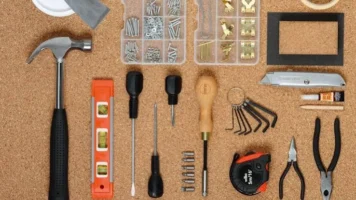
Hand tools form the base of any toolkit. They cost little, last for decades and need no power. Start here before you buy anything fancy.
Claw Hammer
A claw hammer drives nails and pulls them out. Choose a 16-ounce model with a comfortable grip. It handles most jobs, from picture hanging to light carpentry.
Screwdriver Set
You need both flathead and Phillips screwdrivers in several sizes. Many household items use small screws, so a precision set helps too. A set with magnetic tips keeps screws from falling.
Tape Measure
A 25-foot tape measure covers most rooms and furniture. Always measure twice before you cut or buy. This habit saves money and time.
Pliers
Pliers grip, bend and cut wire. Slip-joint pliers handle general work. Needle-nose pliers reach tight spaces, such as behind appliances.
Adjustable Wrench
An adjustable wrench fits many bolt sizes. You can tighten plumbing fittings, bike parts and furniture bolts with one tool. Pick a 10-inch size for the best balance.
Utility Knife
A sharp utility knife cuts boxes, carpet, drywall and rope. Keep spare blades nearby. Dull blades cause more cuts than sharp ones, so swap them often.
Level
A level shows whether a shelf or frame hangs straight. A 24-inch bubble level works well for most homes. Your eyes can trick you, but a level never lies.
Quick Reference Table – Hand Tools and Their Uses
| Tool | Main Use | Average Cost |
|---|---|---|
| Claw hammer | Drive and pull nails | $10–$20 |
| Screwdriver set | Tighten and loosen screws | $12–$30 |
| Tape measure | Measure rooms and objects | $8–$15 |
| Pliers set | Grip, bend and cut wire | $15–$30 |
| Adjustable wrench | Turn nuts and bolts | $12–$25 |
| Utility knife | Cut boxes, carpet and drywall | $6–$12 |
| Bubble level | Check straight lines | $10–$20 |
Prices vary by brand and store. Mid-range tools often give the best value. Cheap tools may bend or break under stress.
Power Tools Worth Owning
Power tools save time and effort. You do not need many, but a few make a big difference. Buy them only after you own the hand tools above.
Cordless Drill
A cordless drill is the most useful power tool you can own. It drills holes and drives screws in seconds. Look for a model with an 18- or 20-volt battery and two speed settings.
A drill also works with many bits. You can swap them to handle wood, metal, or masonry. Buy a basic bit set at the same time.
Jigsaw or Circular Saw
A jigsaw cuts curves and shapes in wood. A circular saw makes fast, straight cuts. Most beginners should start with a jigsaw because it feels safer and easier to control.
Stud Finder
A stud finder locates the wooden beams behind your walls. You need it to hang heavy shelves, mirrors, or TVs. It prevents damage and keeps your items from falling.
Plumbing and Electrical Basics
Water and power problems feel scary, but simple tools handle many of them. Learn these basics and you can solve common issues fast. For a deeper walkthrough, read our guide on how to fix a leaky faucet.
Plunger
A plunger clears clogged sinks and toilets. Keep two types: a cup plunger for sinks and a flange plunger for toilets. This small tool saves many emergency calls.
Pipe Wrench and Plumber’s Tape
A pipe wrench grips round pipes tightly. Plumber’s tape seals threaded joints and stops slow leaks. Together, they cost less than $30.
Voltage Tester
A non-contact voltage tester shows whether a wire carries power. Always test a wire before you touch it. This tool protects you from dangerous shocks.
Duct Tape and Electrical Tape
Duct tape handles quick, temporary fixes. Electrical tape insulates wires and marks cables. Both belong in every drawer.
Safety Gear You Should Never Skip
Tools help you only when you use them safely. Safety gear costs little and prevents serious injuries. Buy it when you buy your first tool.
- Safety glasses protect your eyes from dust and flying chips.
- Work gloves guard your hands from splinters and sharp edges.
- Dust masks keep fine particles out of your lungs.
- Ear protection matters when you use loud power tools.
- A first aid kit treats small cuts and burns right away.
The Occupational Safety and Health Administration (OSHA) reminds workers to wear eye protection during any task that creates flying debris. Home projects deserve the same care. Never skip gear to save a few minutes.
Cleaning and Maintenance Tools
Home care goes beyond repairs. Regular upkeep keeps your house safe, clean and efficient. Add these items to your list.
A wet-dry vacuum cleans spills, dust and workshop mess. A sturdy ladder reaches high shelves, light bulbs and gutters. A flashlight or headlamp helps during power cuts and dark crawl spaces.
You should also keep a stepladder with a locking brace. Falls cause many home injuries each year. Always place a ladder on flat, dry ground.
Garden and outdoor care need tools too. A rake, pruning shears and a garden hose handle most yards. If you want a greener lawn, check our tips on simple lawn care for beginners.
How to Build Your Toolkit on a Budget
You do not need to buy everything at once. Start small and add tools as projects appear. This approach keeps spending low and prevents clutter.
Here is a simple plan based on your budget.
| Budget Level | What to Buy | Approx. Total |
|---|---|---|
| Starter ($50–$100) | Hammer, screwdrivers, tape measure, pliers, level | $75 |
| Basic ($100–$250) | Starter items plus drill, wrench, utility knife, safety gear | $200 |
| Complete ($250–$500) | Basic items plus saw, stud finder, plunger, voltage tester | $400 |
Many people choose a boxed starter kit. These kits bundle common tools at a lower price. However, check the quality before you buy, because some kits include weak pieces.
Secondhand stores, garage sales and online marketplaces also sell sturdy tools. Older steel hand tools often outlast new cheap ones. Test each item before you pay.
Tips for Choosing Quality Tools
Quality matters more than quantity. A good tool lasts years and works better. Use these simple checks before you buy.
First, hold the tool in your hand. A comfortable grip reduces fatigue and slips. Next, look for solid metal parts instead of thin plastic.
Warranty also matters. Trusted brands often offer lifetime guarantees on hand tools. A strong warranty shows that the maker believes in its product.
Finally, read reviews from real buyers. Look for comments about durability and comfort. Ignore reviews that sound fake or vague.
How to Store and Care for Your Tools
Good storage protects your investment. Rust, moisture and clutter shorten a tool’s life. A little care goes a long way.
Keep your tools in a dry spot, such as a garage shelf, closet, or toolbox. A plastic toolbox with a latch works well for small homes. Wall-mounted racks keep larger items off the floor and easy to find.
Clean each tool after use. Wipe off dirt and moisture with a dry cloth. Add a drop of machine oil to metal parts every few months to stop rust.
Charge cordless batteries as the maker suggests. Avoid leaving them in hot cars or freezing sheds. Extreme heat and cold weaken battery life fast.
Label your toolbox and put each item back after use. This habit saves time during emergencies. You will never waste an hour searching for a screwdriver again.
Common Mistakes Beginners Make
New homeowners often buy too much too soon. They end up with unused gadgets and a messy garage. Buy tools only when a real project needs them.
Another mistake is using the wrong tool for a job. A wrench is not a hammer and a screwdriver is not a chisel. Misuse damages the tool and can hurt you.
Many people also skip the instructions. Read each manual, especially for power tools. Watching a short tutorial video can teach you proper form in minutes.
Frequently Asked Questions
What are the most essential tools for home use?
The most useful starter items are a hammer, screwdriver set, tape measure, pliers, adjustable wrench and level. Add a cordless drill as soon as your budget allows. These items handle most small repairs.
How much should I spend on a basic home toolkit?
A solid starter kit costs between $75 and $200. You can spread the cost over several months. Buy the tools you need for your first project, then add more later.
Should I buy a tool set or individual tools?
A boxed set saves money and gives you variety. Individual tools let you choose better quality for each task. Many homeowners start with a small set and upgrade key pieces over time.
Where should I store my tools?
Pick a dry, cool place such as a garage shelf or closet. Use a toolbox or wall rack to keep items organized. Keep them out of reach of children.
Do I need power tools as a beginner?
You can handle most small tasks with hand tools alone. A cordless drill is the one power tool worth buying early. It speeds up many jobs and works for many materials.
How often should I replace my tools?
Quality hand tools can last for decades. Replace any tool that is cracked, bent, rusted through, or unsafe. Swap utility knife blades and drill bits when they dull.
Conclusion
A smart toolkit makes home life easier, safer and cheaper. You do not need a huge workshop to feel prepared. A few well-chosen items cover most daily problems.
Start with the basics, add safety gear and grow your collection slowly. The essential tools for home care pay for themselves within a few projects. Pick up your first tool this week and take on one small repair. Ready for your next project? Browse our guide to easy DIY home repairs and put your new toolkit to work.